Trump Picks RFK Jr. for Top Health Role, Prompting European Vaccine Sell-Off

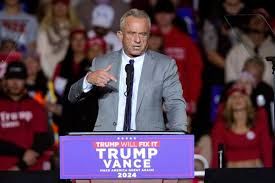
The announcement of U.S. President-elect Donald Trump selecting Robert F. Kennedy Jr. to head the Department of Health and Human Services (HHS) has sent shockwaves through the pharmaceutical sector, sparking concerns about the future direction of U.S. health policy. Kennedy, an outspoken critic of vaccines and a prominent figure in the anti-vaccine movement, has a history of spreading misinformation about vaccine safety. This controversial decision has already begun to ripple through global markets, notably impacting European vaccine manufacturers.
Immediate Market Reaction
By early trading on Friday:
- Shares of GSK (GlaxoSmithKline) and Sanofi fell by more than 3%.
- AstraZeneca experienced a decline of 2%.
- The broader healthcare sector, represented by the SXDP Index, dropped 2%, making it the worst-performing sector compared to the STOXX 600, which fell by 0.8%.
Investors are reacting to potential uncertainty surrounding vaccine policy and funding in the United States, the largest pharmaceutical market in the world. Concerns stem from the possibility of reduced vaccine promotion, research, and public health funding under Kennedy's leadership at HHS.
Broader Implications for Public Health
Kennedy’s appointment is alarming for many health experts, given his past advocacy for discredited theories linking vaccines to autism and his vocal opposition to vaccine mandates. Public health organizations worldwide, including the World Health Organization (WHO) and the Centers for Disease Control and Prevention (CDC), have repeatedly emphasized the safety and efficacy of vaccines in preventing disease outbreaks.
If Kennedy influences U.S. health policy to reduce vaccine promotion or undermine public trust in immunization programs, it could lead to:
- Declining Vaccination Rates: Lower immunization rates could result in the resurgence of preventable diseases such as measles, mumps, and polio.
- Erosion of Public Trust: Mixed messages from public health authorities could deepen vaccine hesitancy among certain populations.
- Reduced Funding for Vaccine Innovation: Companies may hesitate to invest in vaccine research and development if political leadership signals opposition to their use.
Global Market and Industry Response
The U.S. plays a pivotal role in the global pharmaceutical landscape. Any policy shifts under the HHS could have a ripple effect on:
- Research and Development (R&D): Global firms might rethink their investment strategies in vaccines, potentially stalling innovation.
- Market Confidence: The downturn in shares of European vaccine-makers highlights broader fears of regulatory hurdles or reduced demand for vaccines.
Stakeholder Reactions
- Public Health Advocates: Many public health experts and organizations have expressed dismay at Kennedy's appointment, fearing it will erode decades of progress in vaccination efforts.
- Pharmaceutical Industry: Vaccine-makers may need to ramp up public awareness campaigns to counter misinformation and reassure both consumers and investors of the importance of vaccines.
- Political and Legal Experts: There could be legal and policy battles as states and health advocates push back against potential federal measures to weaken vaccine mandates.
Long-Term Impacts
The appointment of Kennedy to HHS could redefine the U.S. health landscape. While it remains to be seen how much influence Kennedy will wield, his controversial stance on vaccines introduces significant uncertainty into a critical sector of global healthcare. This uncertainty could dampen investor confidence, slow innovation, and, most concerningly, harm public health outcomes by undermining vaccine programs.
The market's reaction reflects a stark warning: health policy decisions driven by misinformation have far-reaching consequences for industries, economies, and global well-being.
Read More: Gladiator II: The Return of Rome's Glory – A Tale of Vengeance and Redemption