How Trump’s Administration Could Reshape U.S. Education

Donald Trump’s proposed education policies for a second term aim to radically restructure the American education system, focusing on decentralizing control, limiting federal oversight, and shifting curriculum content. One of the most significant proposals is the complete abolition of the Department of Education, a move that Trump has advocated since his first term. He believes that education decisions should be made at the state and local levels, reducing the federal government's involvement in school management. In addition to this, Trump is pushing for an expanded role for parents through his "Parental Bill of Rights." This initiative would give parents the ability to oversee a wide range of school activities, including curriculum choices, budget allocation, and even the ability to review any changes to a child’s gender identity or pronouns in the classroom. He also supports the idea of school choice, where parents can decide which public school their children attend, further empowering them in the education process.
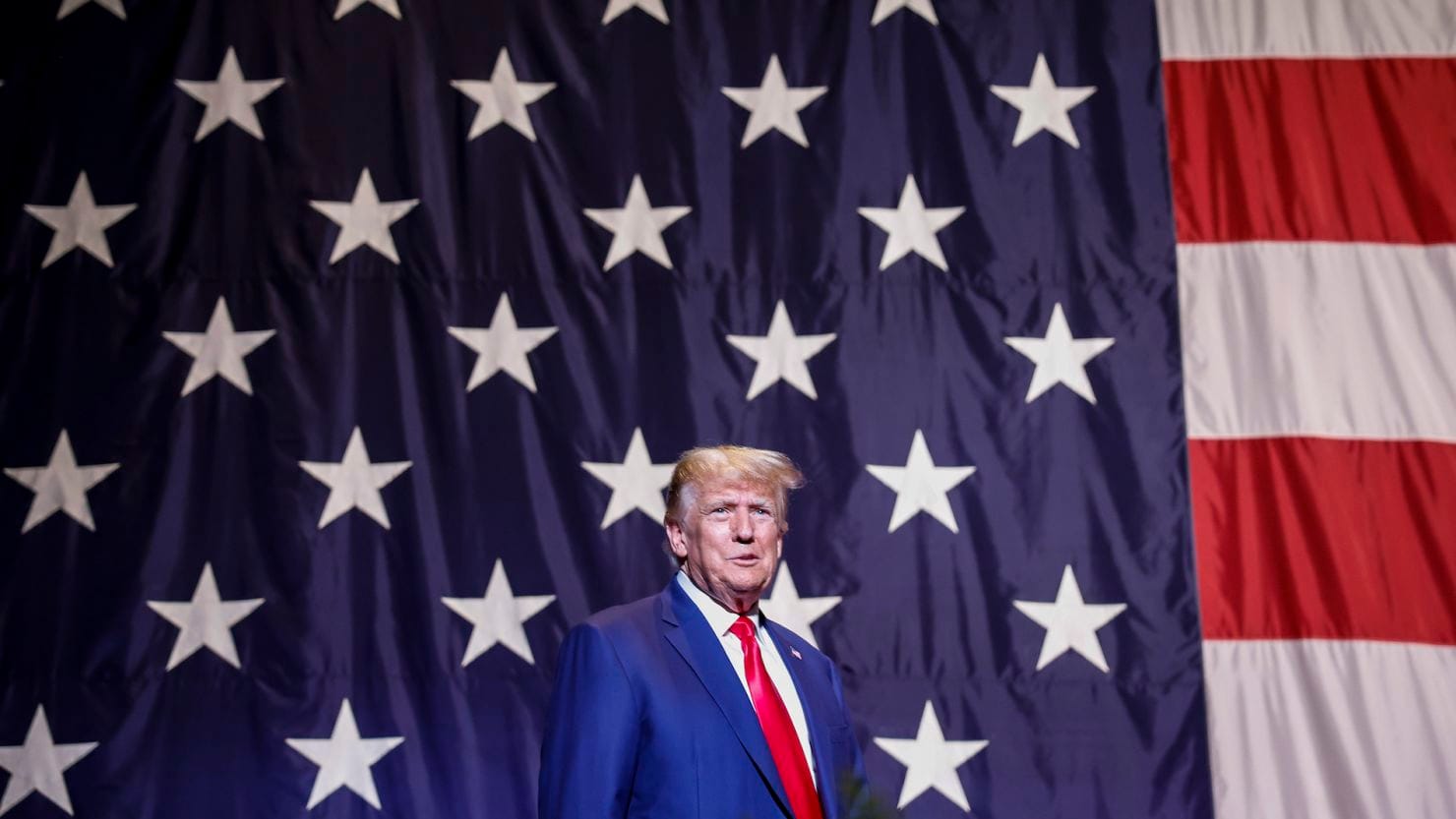
Another core element of Trump’s education platform is his stance on curriculum content. He has vowed to cut federal funding for schools that promote what he deems "Critical Race Theory," gender ideology, or any other content that he believes is politically or socially inappropriate. This is in line with his broader goal of reducing what he sees as left-wing influence in classrooms. Trump also wants to reinstate the 1776 Commission, which would aim to revise the history curriculum to reflect what he considers a more patriotic narrative. In terms of gender issues, his policies would include barring transgender girls from competing in sports designated for girls, a move that would challenge the current interpretation of Title IX, which protects gender identity rights in educational settings.
Trump's proposal also extends to school leadership and discipline. He envisions a system where parents have the power to vote for school principals, ensuring that school leaders are directly accountable to the communities they serve. Additionally, he plans to base school funding on whether the institution adheres to policies he supports, such as those regarding curriculum content and parental involvement. Trump also seeks to create a national credentialing body for teachers, aiming to standardize teaching qualifications and potentially remove “radicals” from the education system. On the disciplinary side, his administration would push for stronger measures to address issues like drug involvement among students. Furthermore, he supports the idea of allowing teachers to carry concealed weapons for school safety, while also advocating for the protection of students' rights to pray in schools.
Lastly, Trump intends to drastically reduce the number of administrative positions in schools, particularly those focused on Diversity, Equity, and Inclusion (DEI), which he believes have become excessive and counterproductive. Overall, Trump’s education policies reflect his broader political ideology, focusing on parental empowerment, reducing federal intervention, and creating a more conservative, nationalist curriculum. These proposals would have far-reaching implications for the structure, content, and governance of U.S. schools, marking a significant departure from the education policies of previous administrations.
Read More: SpaceX's Ambitious Plan: Orbital Refueling Test for Starship Early Next Year