19 Years Later, Mike Tyson Returns to the Ring Amid Growing Health Concerns

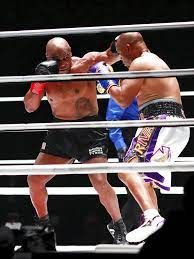
Mike Tyson’s career has been nothing short of legendary—a blend of unparalleled dominance, personal tumult, and enduring charisma that has kept him a central figure in boxing lore. From his explosive debut in 1985, when an 18-year-old Tyson dismantled Hector Mercedes in under two minutes, to his reign as the youngest heavyweight champion in history, Tyson’s path has been one of extraordinary highs and dramatic lows. Now, at 58 years old, he is set to re-enter the professional boxing ring for the first time in nearly two decades, squaring off against 27-year-old YouTuber-turned-boxer Jake Paul at AT&T Stadium. This highly anticipated bout marks over 7,000 days since Tyson’s last professional fight and comes with both excitement and significant health concerns.
Tyson’s return to the ring highlights the dual challenges of aging in a physically demanding sport and the long-term neurological risks associated with boxing. According to Dr. Nitin K. Sethi, a neurology expert and ringside physician, older fighters like Tyson are at heightened risk for severe traumatic brain injuries and chronic neurological complications due to their age and the cumulative impact of years of head trauma. Boxing commissions often categorize fighters over 40 as “high-risk,” and Tyson, now well past that threshold, exemplifies those concerns. Despite passing the rigorous medical tests mandated by the Texas Department of Licensing and Regulation, the danger remains acute.
The fight’s conditions—eight two-minute rounds with 14-ounce gloves—reflect efforts to minimize risk, yet the inherent nature of boxing, where the aim is often to deliver repeated head strikes, remains a source of controversy. Experts like Dr. Sethi emphasize that the dangers of the sport extend beyond dramatic knockouts to the long-term damage caused by consistent, less visible blows. Issues like chronic traumatic encephalopathy (CTE), Parkinsonian symptoms, and persistent post-concussion effects often emerge after a fighter’s career has ended, exacerbated by the cumulative damage sustained during training and competition.
Tyson’s comeback also draws attention to a larger cultural issue within boxing: the reluctance to step away from the sport. Historically, boxers have struggled to acknowledge their physical limits, often continuing to compete well past their prime. Figures like Sugar Ray Robinson, George Foreman, and Larry Holmes extended their careers into their 40s and beyond, a testament to the sport’s allure and the resilience—or stubbornness—of its athletes. Tyson’s own history, marked by personal reinvention and a profound love for boxing, mirrors this pattern.
The fight itself underscores the enduring appeal of boxing. The explosive nature of the sport, combined with the compelling narratives of its participants, continues to captivate audiences. Tyson’s clash with Paul promises to be a spectacle that blends nostalgia with modern celebrity culture, drawing in fans from both traditional boxing circles and Paul’s massive online following.
Still, as Tyson steps into the ring, the question lingers: does the thrill of the fight outweigh the potential cost to his health? While Tyson has defied expectations time and again, his return raises critical discussions about how to protect aging athletes from the sport’s inherent dangers. For now, fans will watch with bated breath as “Iron Mike” adds another chapter to his storied legacy—one that may come with a heavy price.
Read More: Gladiator II: The Return of Rome's Glory – A Tale of Vengeance and Redemption