Your Future Phone Will Likely Be Smarter, Faster, and More Flexible
"The future of smartphones will look like a place where AI capabilities have become much smarter, foldable designs will be new age, faster charging, and sustainable materials make for promises much beyond typical glass-and-metal rectangles that people use today."

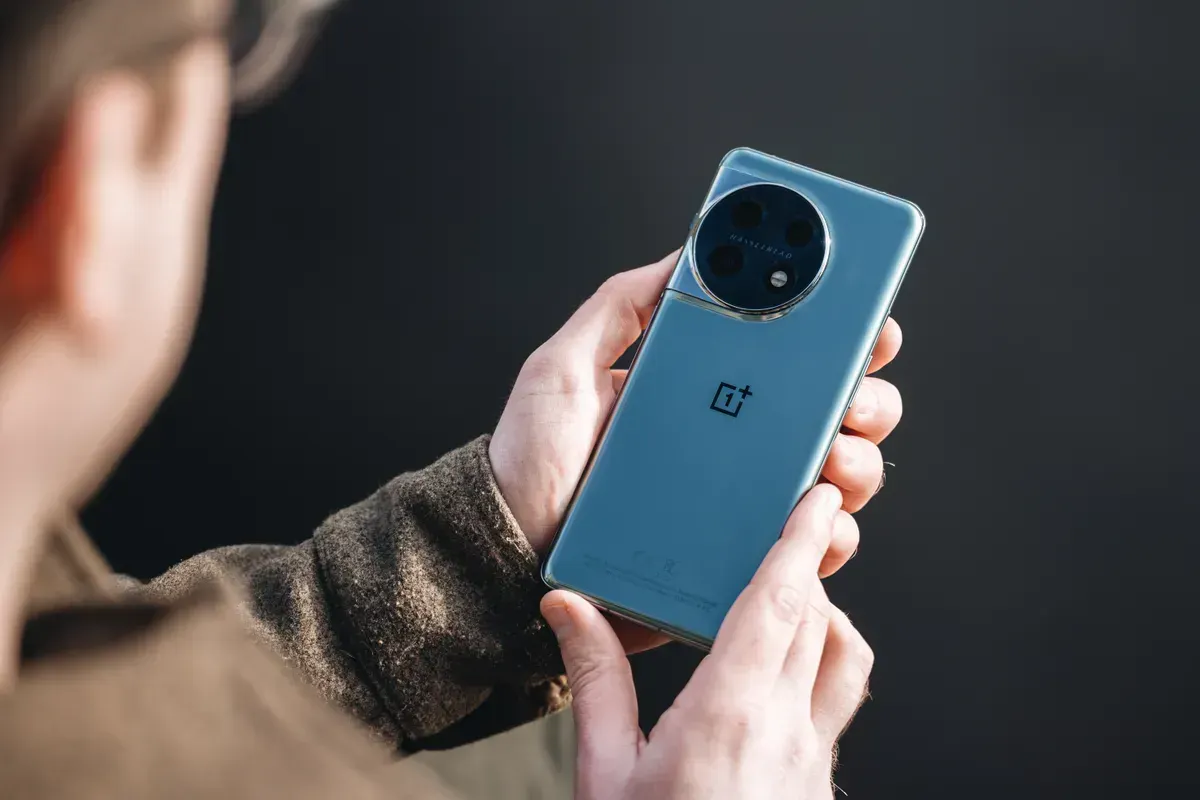
Yearly phone upgrades have lost their excitement, but phone-makers are using AI and foldable designs to make mobile devices fresh and interesting again. Expect big changes in 2024, stretching beyond routine processor and camera upgrades.
The AI Evolution in Smartphones
AI, of course, had already transformed smartphones into smarter devices, what with facial recognition and real-time language translation. But 2024 promises something more-the level at which "generative AI" is going to empower the phones to create original content and proactively assist users in innovative ways.
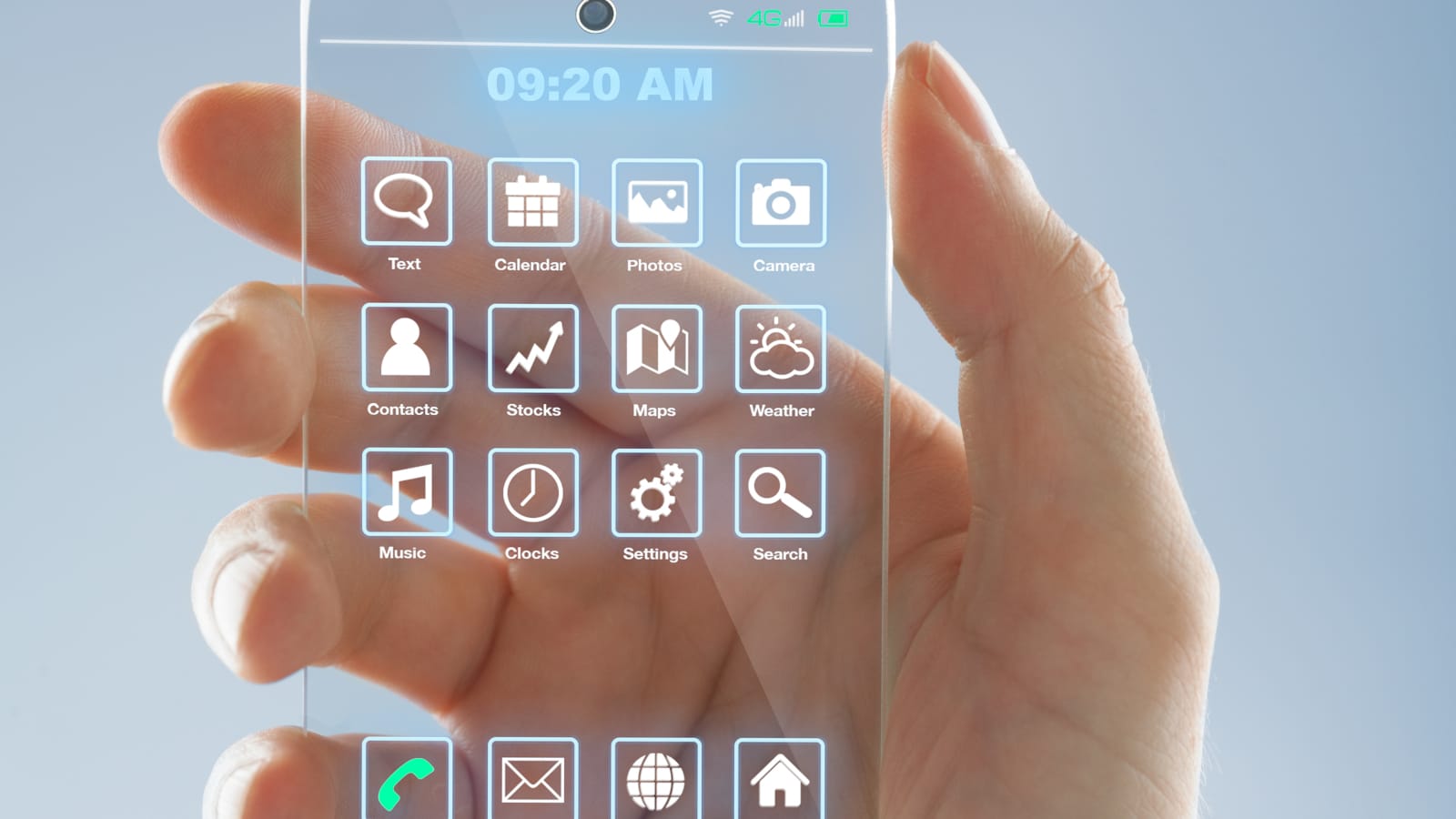
For example, Google has integrated AI into its Pixel 8 lineup, with the tools to edit photos by changing facial expressions and generate new wallpapers from scratch. Meanwhile, Qualcomm's Snapdragon 8 Gen 3 processor brings generative AI capabilities, enabling smartphones to summarize phone calls, create bullet-point notes, and even expand photo frames by generating additional background details.
These developments are about to revolutionize and reshape the smartphone experienceto such an extent that devices will transform into personal assistants that can predict and fulfill users' needs.
Foldable Phones: On the Rise
Foldable phones have existed since 2019, but 2024 is likely the time they will finally take off. Ahead leaders in brandings, including Samsung, Google, Motorola, and OnePlus, have perfected their designs to make foldable phones more sustainable, functional, and stylish.
With "Samsung Galaxy Z Flip 5" and "Motorola Razr Plus", the foldable devices now have larger outer cover screens, which makes them usable when folded. In addition, prices are very competitive: Motorola's $700 Razr indeed can be considered a more accessible entry point to the foldable category.
Now, the rising number of high-quality foldable phones addresses the concerns of consumers and creates interest. Experts predict that shipments of foldable gadgets will reach more than 100 million units by 2027, meaning foldable designs are already changing our perception about how a phone should look.
Battery life is the most important consideration for smartphone users. Although capacity has not much improved, rapid advances in fast-charging technology have made topping off easier and faster.
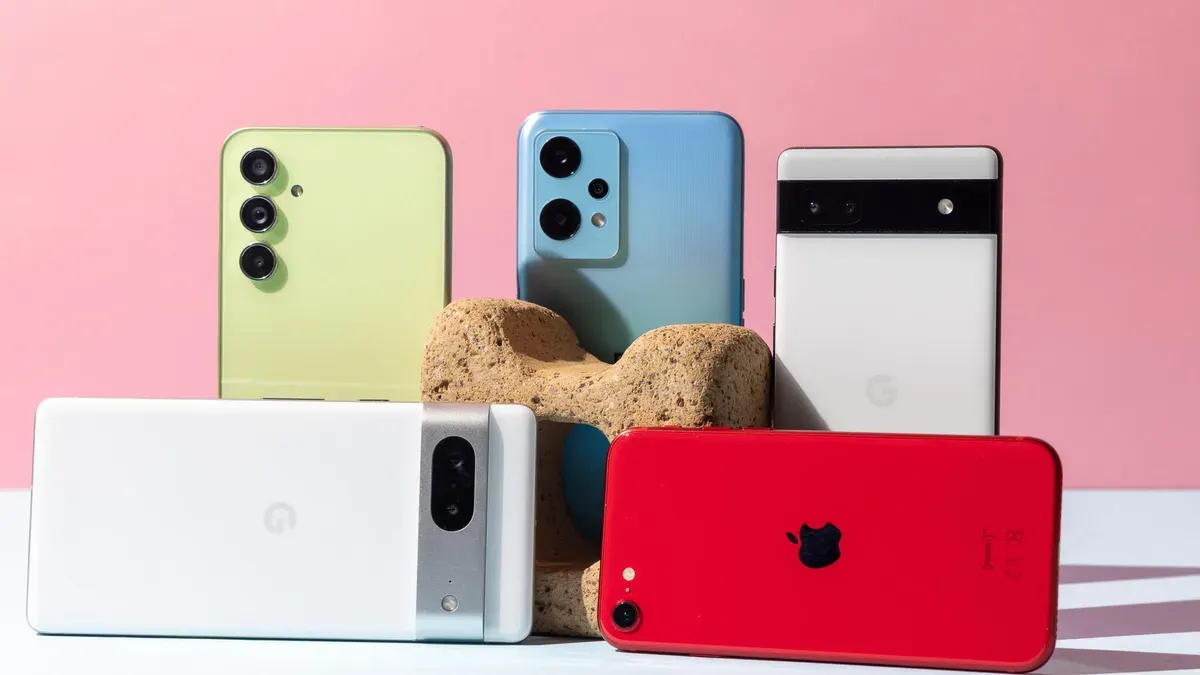
For instance, the "Xiaomi 14" will have 90-watt charging, but the "OnePlus 11" allows for charging as high as 100 watts, charging your phone nearly to full in just a few minutes. The Lenovo ThinkPhone by Motorola distinguishes itself with a charge as high as 92% in just 30 minutes.
In addition to faster charging, phones also become much more sustainable. Apple and Samsung have each considerably expanded their self-repair programs, making it not only possible for users to replace components themselves but even with third-party services. Amsterdam-based "Fairphone" takes the lead in matters of repairability: just look for its offers of eight years of software updates and a five-year warranty on the latest models.
Sustainability and Longevity
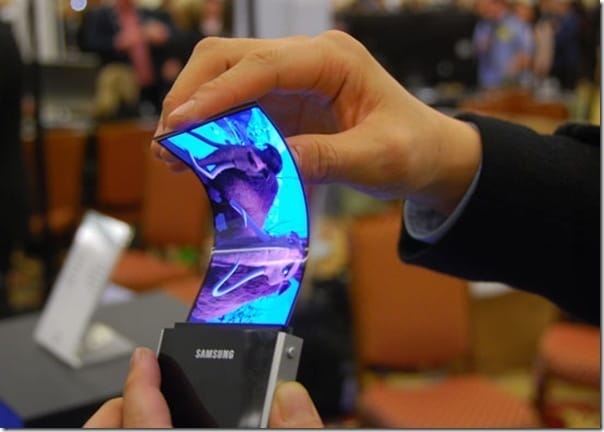
With growing environmental concerns, technology companies are focusing on creating sustainable products through "recyclable materials", extended software support, and making devices easier to repair.
For instance, the latest Pixel phones from Google get seven years of software updates, surpassing industry standards. Apple's iPhone 15 is another example, with the updated design of the chassis that helps with repair and aligns with the company's focus on sustainability.
All these help in reducing electronic waste and give consumers more value by extending the life of their devices.
What This Means for You
This convergence of AI, foldable designs, fast charging, and sustainability means that smartphone changes are happening faster than ever. Smarter, more adaptable, and less disposable-this is the future of the smartphone.
By 2024, your next phone may not be just a tool but, for example, an intelligent companion that anticipates all of your needs and can be reshaped according to the desired lifestyle, a product that truly matches your values of sustainability and longevity.
The future of smartphones is exciting and just in its beginning. As innovations become faster, these devices have all the potential to revolutionize our way of living, working, and relating with the world.