Woman of the Hour (2024): Anna Kendrick's True-Crime Directorial Debut Offers Emotional Depth and Social Critique
"Woman of the Hour" is a true-crime thriller directed by Anna Kendrick, focusing on the emotional and psychological impact of Rodney Alcala’s crimes, offering a nuanced perspective on gendered violence and justice.

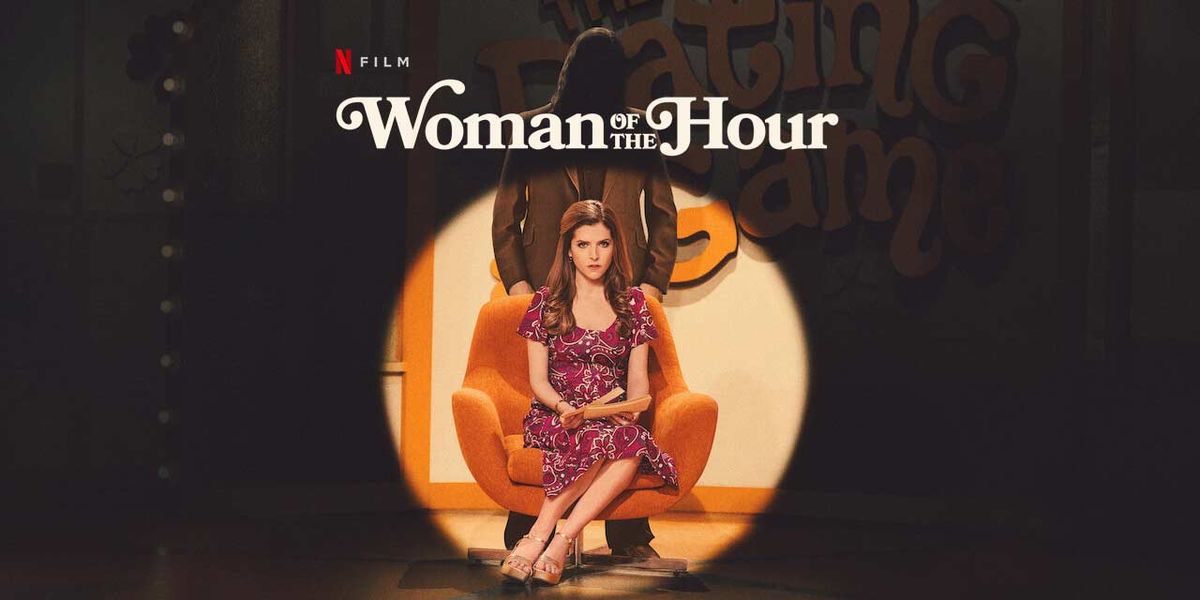
Release Date: 29th November 2024 Streaming On: Lionsgate Play Duration: 1 hour 34 minutes Genre: Crime, Drama, Mystery In "Woman of the Hour", Anna Kendrick makes her directorial debut in the true-crime thriller genre. This is a film on the harrowing and chilling story of serial killer Rodney Alcala, who had appeared on "The Dating Game", the dating show in the 1970s. Sheryl Bradshaw, an aspiring actress, is chosen to go on a date with Alcala without realizing who she is getting out with. It follows a story of how the women in this case had been affected by his presence and provides a new, nuanced take on the true-crime genre.
The True-Crime Genre: A New Perspective
When it comes to true-crime thrillers, the genre has often been characterized by sensationalism and graphic depictions of violence. Yet, "Woman of the Hour" offers a refreshing departure from this norm. Anna Kendrick, known primarily for her comedic roles, makes a daring switch to a more serious, dramatic tone. This was her first film as a director, but it shows a much more thoughtful and nuanced examination of a notorious case-one that revolves not just around the perpetrator but also around the victims, their lives, and their emotional turmoil.
"Woman of the Hour" is inspired by the infamous case of Rodney Alcala, a man convicted of many murders after appearing on "The Dating Game". Instead of focusing on his acts of violence, Kendrick focuses more on the emotional and psychological effects to the women he targeted. This lightens the focus from the killer to the lives affected by his cruelty.
A New Style of Storytelling
The film's non-linear narrative structure keeps building suspense and heightens emotional engagement by moving between different timelines. It throws light on the now-famous "Dating Game" episode, in which Alcala was chosen by aspiring actress Sheryl Bradshaw, portrayed by Kendrick herself. The show that was meant to be a lighthearted affair is transformed in this retelling, providing an eerie juxtaposition between the superficial charm of the show and the chilling reality of Alcala's dark secrets.
This remake of the show, Kendrick masters a brilliant twist by reversing gender roles with Sheryl so that she is the one turning the tables on typical male show gender dynamics. Instead of answering sexist, degrading questions from the bachelors, Sheryl takes matters into her own hands, asking feminist and thought-provoking questions. Such a subtle yet powerful flip on the casual misogyny of the 1970s reveals how societal norms allowed male figures like Alcala to manipulate and hurt women without suspicion.
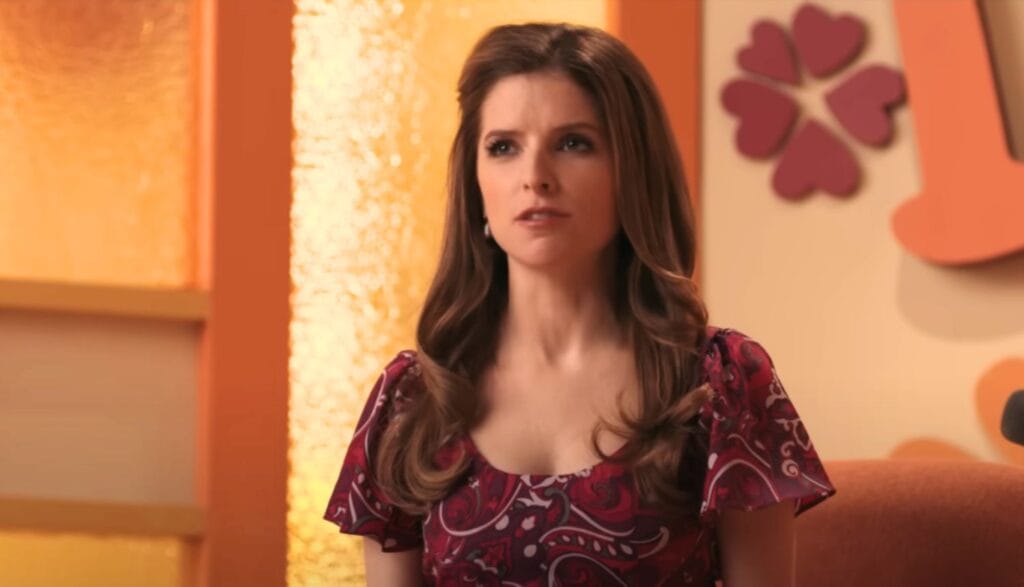
The film critiques not only the killer but also the broader cultural atmosphere that allowed his crimes to continue unchecked for years by focusing on Sheryl's character. Kendrick portrays Sheryl as a woman who, caught in an unsettling and dangerous situation, maintains her agency and intelligence. This shift in focus adds layers of emotional depth to the thriller, offering more than just suspense or shock value—it creates a thoughtful commentary on power, vulnerability, and systemic gendered violence.
The Chilling Portrayal of Rodney Alcala
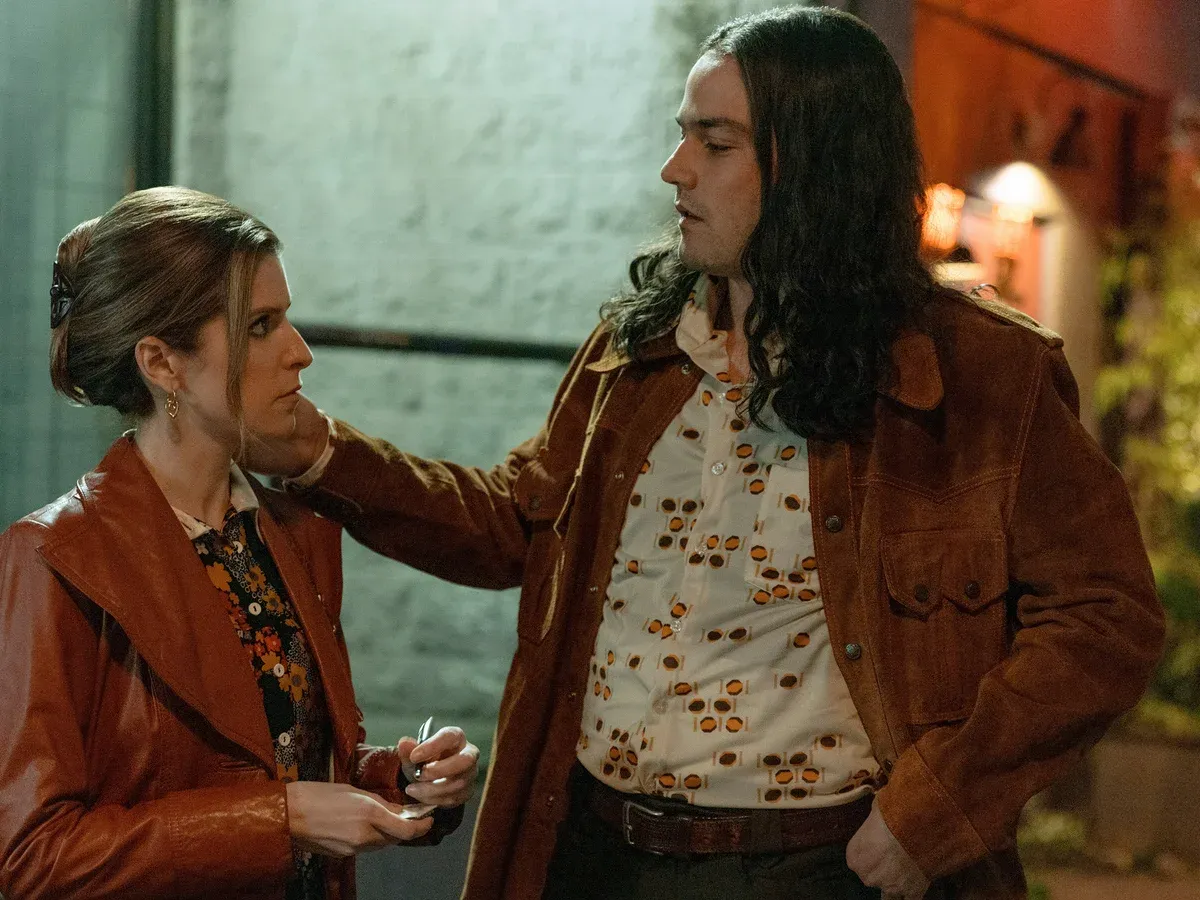
Daniel Zovatto's performance as Rodney Alcala is both intriguing and creepy. He has an air of serenity with an unsettling calmness to his persona, which makes Alcala's manipulation and charm all the more dangerous. Zovatto wisely did not try to play up the role of an over-the-top villain but rather opted for a chillingly subdued performance that tapped into Alcala's cunning nature.
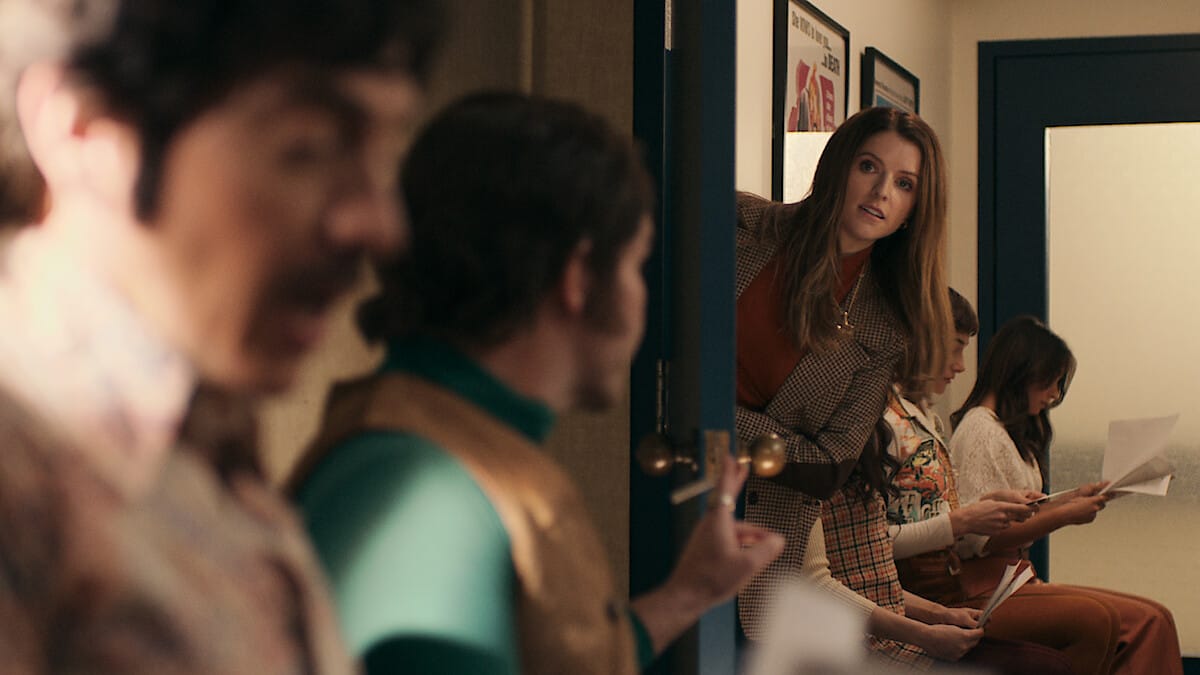
The genius, however, is to make it all about the lives that Alcala destroyed for these women. Instead of putting a heroic spin on a killer, "Woman of the Hour" focuses on the women that Sheryl represented among many others, as Kendrick also puts into place the critique within the narrative: society makes the female voices irrelevant if she has a word in return for a male wrongdoer. This shift in perspective serves as a poignant reminder of how justice is often delayed or denied when women’s stories are not taken seriously.
This makes it clear that in the central message of the narrative lies the realization that gendered violence is not only about such acts of terror committed by men like Alcala; it's also about how those crimes are mishandled, dismissed, or ignored altogether by institutions and society at large. It criticizes and denounces the systemic structure which had allowed such a crime to be perpetuated in that particular time especially during the 1970s, when women, with all their voices at times silent, were subjugated to male aggressive forces.
Thematic Depth Without Exploitation
"Woman of the Hour" is a departure from most typical true-crime thrillers that sensationalize violence or overindulge in graphic descriptions of murder. Instead, Kendrick adopts a much more restrained approach that is based on emotional depth and psychological tension rather than on exploiting the audience's appetite for shock.
There is never any violence shown in the movie. Instead, Kendrick uses sound, atmosphere, and some brilliant cinematography to build tension. This keeps the film gripping but also allows the audience to feel the deep emotional toll of the events without having to resort to graphic content. The psychological horror of what the women, especially Sheryl, are going through is palpable and haunting, as the audience feels their fear and confusion without needing to witness the violence directly.
A Climax That Will Leave You Thinking
The climax of the movie is a masterclass in tension and emotional payoff. As the story builds to its heart-wrenching conclusion, Kendrick offers a sobering reflection on the failures of law enforcement and society at large in addressing crimes of gendered violence. The final scenes of "Woman of the Hour" include text on screen, reminding the viewer of how the case was mishandled for years. Such is the tragedy of how Alcala's crimes were allowed to progress for such a long time-not merely because of his manipulation but also due to systemic failure in taking women's accounts seriously.
This sobering reminder of the mishandling of the case creates a powerful emotional impact that is both a reflection of the past and a call to action for the present. It also enhances the film's critique of gendered violence and how society continues to fail the victims of such crimes.
A Timely and Necessary Reflection on Gendered Violence
"Woman of the Hour" is not only a true-crime thriller but also a strong social commentary on how gendered violence continues to be dismissed, mishandled, and ignored. The film critiques not only the specific case of Rodney Alcala but also the broader cultural and institutional forces that perpetuate these cycles of violence.
This decision by Kendrick adds a necessary layer of depth to the true-crime genre. The film is an exploration of the social, psychological, and emotional impact gendered violence has, with more depth than a mere recollection of facts.
Ending: A Must-Watch for True-Crime Enthusiasts"Woman of the Hour" is a stellar direction debut for Anna Kendrick. In crafting this true-crime thriller that has an added perspective on the Rodney Alcala case, Kendrick made the movie both engaging and socially conscious. As such, the film offers a poignant reflection on gendered violence by bringing home to us sober reminders about how such crimes are still mishandled by authorities. This makes the direction by Kendrick in concert with outstanding performances by Zovatto and Kendrick stand out from their counterparts. The movie is definitely a must-watch for anyone who loves thought-provoking stories with emotional depth and keen social critique.
What is Woman of the Hour about?
Woman of the Hour is a true-crime thriller directed by Anna Kendrick, focusing on the case of Rodney Alcala, a serial killer who appeared on The Dating Game in the 1970s. The film centers on Sheryl Bradshaw, an aspiring actress who unknowingly chose Alcala on the show. The movie explores the psychological and emotional impact of Alcala's actions on the women involved and offers a nuanced critique of gendered violence and the failure of authorities to take women’s voices seriously.
Who plays Rodney Alcala in Woman of the Hour?
Rodney Alcala is portrayed by actor Daniel Zovatto in the film. Zovatto’s performance is chilling yet restrained, focusing on Alcala’s manipulative and unsettling nature without over-exaggerating the character’s villainy.
Is Woman of the Hour based on a true story?
Yes, Woman of the Hour is based on the real-life case of Rodney Alcala, who was convicted of multiple murders after appearing as a contestant on The Dating Game in the 1970s. The film portrays the emotional and psychological experiences of Sheryl Bradshaw, who unknowingly selected Alcala on the show, and critiques the handling of the case by law enforcement.
What is unique about Anna Kendrick's directorial debut?
Anna Kendrick’s directorial debut stands out because it shifts the focus of the true-crime genre away from sensational violence and toward the emotional toll of gendered violence. Instead of exploiting the brutality of Alcala's crimes, the film emphasizes the psychological impact on the women involved and critiques how their voices were ignored by the authorities.
Is there explicit violence in the film?
No, Woman of the Hour does not show explicit violence. While the film centers on the crimes of Rodney Alcala, Kendrick avoids graphic depictions of the murders. Instead, it builds tension and fear through atmosphere, sound, and the emotional experiences of the characters, particularly the women targeted by Alcala.