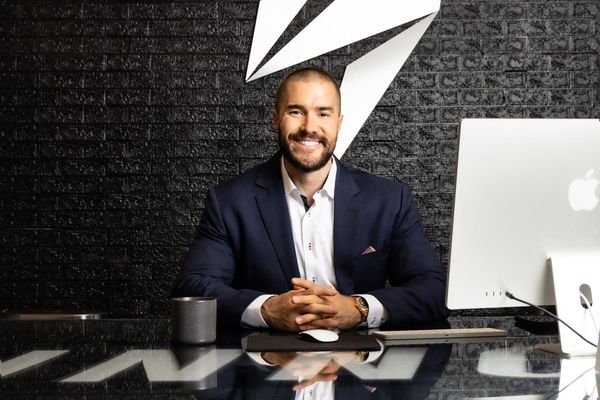
Windsurf CEO Describes 'Very Bleak' Mood in Run-Up to Cognition Deal

AI-powered coding startup Windsurf almost closed a $3 billion acquisition with OpenAI. That deal collapsed in July 2025 amid clashing interests with OpenAI’s investor Microsoft, which raised concerns over control of valuable tech assets. Within hours, Google stepped in—not to acquire the company, but to hire CEO Varun Mohan, co-founder Douglas Chen, and key researchers, offering a $2.4 billion non‑exclusive technology licensing deal.
Departure of Founders Leaves Staff Reeling
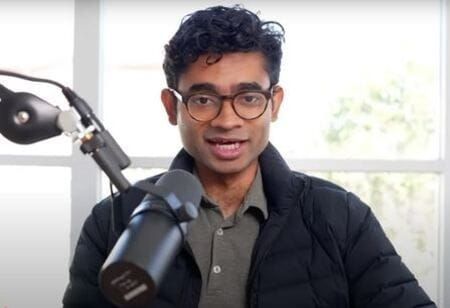
The sudden loss of leadership triggered chaos. Jeff Wang, Windsurf’s head of business and newly installed interim CEO, described the aftermath: employee morale hit rock bottom, with many distraught over financial uncertainty and colleagues walking away. He said some employees were in tears, and the staff-wide Q&A turned tense and emotional.
Wang still paid tribute to Mohan and Chen as “great founders” navigating a difficult situation. But with a shattered team and anger among staff, Windsurf looked unrecognizable from the promising company it had been just days earlier.
Cognition’s Weekend Rescue
Enter Cognition Labs, developer of the AI agent Devin. On the same weekend, Cognition moved to acquire the remainder of Windsurf—including its integrated development environment (IDE), product, brand, and the approximately 250 employees who stayed behind.
The swift negotiation impressed industry observers. The agreement was reportedly reached in under 72 hours, with efforts underway by Friday night and a signed deal by Monday morning. Cognition CEO Scott Wu called Windsurf a natural fit, offering a strategic complement between Cognition’s agent expertise and Windsurf’s strong go‑to‑market and marketing capabilities.
Employee-Centric Deal Terms
Crucially, the Cognition acquisition included sweeping protections for remaining Windsurf staff. The agreement waived all vesting cliffs, accelerated equity vesting, and granted participation to every employee in any financial upside—a sharp contrast to the Google deal that left most staff without benefits.
This inclusive structure earned praise amid broader criticism of modern acquihire models that often reward only founders and elite contributors.
A Broader Trend in AI M&A
The Windsurf saga illustrates a growing pattern: Big Tech firms are using so-called “reverse acquihires”—hiring startup talent and licensing their technology—to sidestep antitrust scrutiny while cherry-picking innovation. This approach accelerates access to specialized skills but leaves startup employees vulnerable and equity upside uncertain.
High-profile VCs like Vinod Khosla criticized Windsurf's founders for abandoning their team and not sharing rewards more equitably. He said he would avoid working with them in the future, calling the episode a breach of trust and startup ethos.
What Comes Next?
Under Cognition, Windsurf's core technology and team have a path forward. With access restored to key models like Anthropic’s Claude and support from Cognition’s leadership, the combined entity is poised to deliver a more seamless AI coding platform. Meanwhile, the episode prompts deeper industry reflection on founder responsibility and how equity should be distributed in talent-based startup exits.