'Wicked' Film Sparks Backlash Over Green Skin Content Warning in UK
The trigger warning for discrimination in the movie "Wicked" emphasizes themes of prejudice, societal rejection, and acceptance. The film's depiction of Elphaba's struggles with her green skin has been a subject of heated debate and discussion.

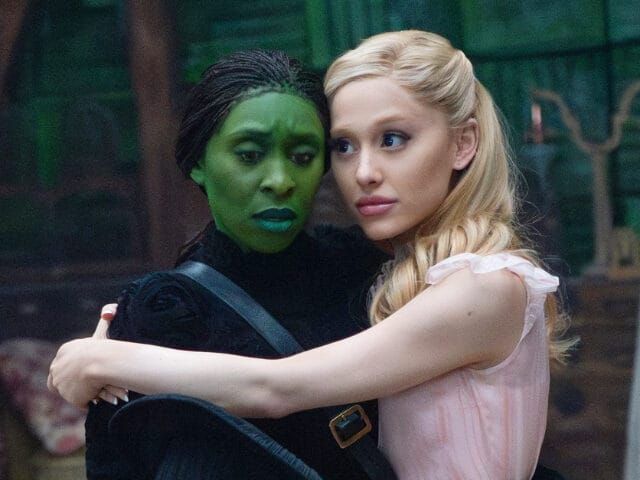
The new movie adaptation of the Broadway hit "Wicked" has opened a can of worms in the UK as the British Board of Film Classification, BBFC, warns viewers of the film about "discrimination". The BBFC has actually included this warning with the handling of the green-skinned protagonist Elphaba in the film, which it says indicates an emerging method of dealing with content warnings for family movies.
The BBFC's ruling has not passed unnoticed, which has led to discussion about how such warnings fit into modern cinema. Some have praised the move as a thoughtful consideration of sensitive viewers, while others have described it as an overstep, claiming it is a disservice to the artistic intent of the film.
The Basis of the Trigger Warning
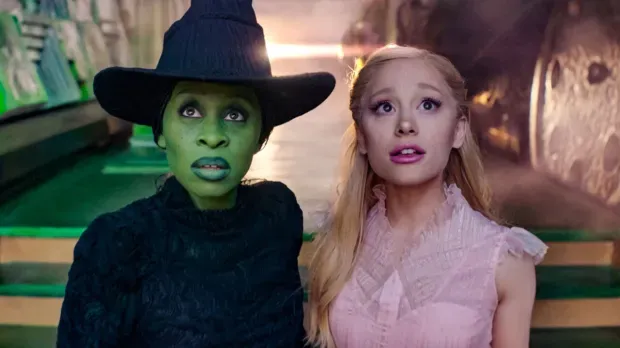
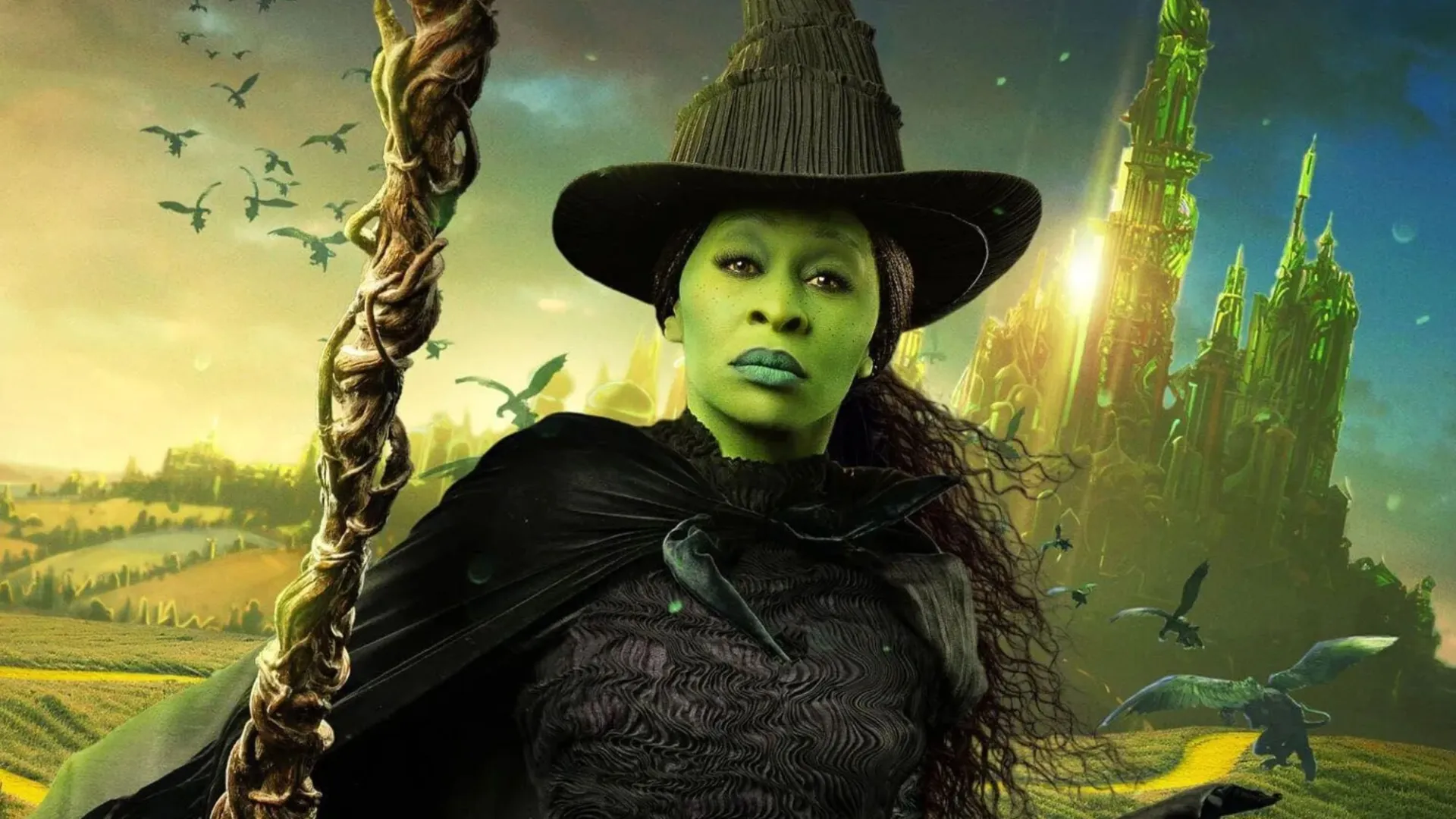
The BBFC elaborated on its reasons, referencing several crucial elements of "Wicked". British actress Cynthia Erivo plays Elphaba, who endures bullying and ostracism throughout her life because of her green skin. These experiences are central to her arc, as she develops from a misunderstood outcast to a powerful, self-assured figure.
The warning notes, "the bullying experienced by Elphaba for her green complexion leads to some emotional and upsetting scenes until she is finally accepted." BBFC acknowledged that these might touch the heart of viewers, most especially children, who have experienced such discrimination or exclusion in their lives.
Other factors that led the film to be rated as PG included scenes where a paralytic woman in her wheelchair was treated condescendingly by able-bodied subjects and talking animals persecuted in a fictional society. Threatening scenes, brief frightening moments, and an ending that is not fully reassuring were also cited for caution by the BBFC.
The Role of BBFC and Guidelines
The BBFC has offered content ratings and warnings to consumers for many years to help guide audience choice. For films rated PG, the organization claims discriminatory action or language must be "clearly disapproved of." In some instances, however, such action or dialogue is allowed if it is justified by the context, such as an historical setting or in the reclamation of a story.
Trigger Warning aligns with BBFC research conducted in 2021, where it finds that parents value warnings relating to racism and discrimination very much. However, although many parents would appreciate being aware of this type of content to educate the child for real life issues, they do want some forewarning to handle what may be potentially sensitive subject matter.
Cultural and Emotional Impact
"Wicked", based on Gregory Maguire's novel and the award-winning stage musical, is intrinsically a story of otherness, societal judgment, and redemption. Elphaba's green skin is a metaphor for any form of discrimination, making her struggles relatable across a wide spectrum of lived experiences.
"Some might even argue that Elphaba's skin color is an allegory for any form of racism—in fact, an allegory that, if anything, is a little too heavy-handed," columnist Stuart Heritage wrote in "The Guardian". "The BBFC had a moral duty to explain that these depictions of racist abuse are what landed "Wicked" with a PG certificate rather than a U."
This allegorical resonance, though poignant, can also increase the emotional impact on younger audiences. By tackling these themes head-on, "Wicked" hopes to challenge viewers to think about societal prejudices, thereby encouraging discussions about empathy and acceptance.
Mixed Reactions to the Warning
Mixed reactions have been drawn by the decision of the BBFC. The critics of the advisory think that the measures will destroy the dramatic tension and the artistic intent of the film. According to writer Simon Evans, the content warning is "ridiculous and counter-productive" because it encourages an atmosphere that is more akin to "an HR seminar" than the immersive experience of a cinematic masterpiece.
Another sociologist professor is the same view expressed by Frank Furedi as he dismissed classification based on evidence of over sensitive culture. "Green-skinned people under attack? You can't make it up," said a maverick sociologist on a blog. "Clearly the authors of this lame classification are living on Planet Bonkers."
Yet advocates of the advisory point out that it is also the duty of the BBFC to educate audiences. Heritage countered that the warning helps viewers not to be surprised by jarring content. "This isn't about censorship, it's about preparation," he wrote. "For some children, watching a favorite character suffer rejection is upsetting, but it can also be a time to develop resilience and understanding.
The debate around "Wicked" reflects the broader cultural shift in how media institutions deal with sensitive content. While trigger warnings were once a thing of the academic world, they have increasingly become prevalent in entertainment, including films, television, and literature. Some argue that these advisories promote inclusivity by acknowledging diverse audience needs, while others view them as unnecessary hand-holding.
The BBFC's approach to "Wicked" also reflects changing discussions about representation and the role of creators. In the context of themes of discrimination, the film fits into growing demands for stories that challenge social norms and create empathy.
Box Office Success and Public Reception
Despite, or because of, the controversy surrounding the movie, "Wicked" has been a box office success, breaking all opening weekend box office records. The film has won accolades for its performances, especially those by Cynthia Erivo and the Good Witch, Glinda, played by Ariana Grande. The lavish visual splendor, the spectacular musical numbers, and the emotionally powerful storytelling have all captivated the viewers, making this one of the modern classics.
The polarizing trigger warning has not dented the excitement over the movie. Rather, it seems to be the fuel for ongoing discussions regarding the role of art in bringing attention to social issues and what is expected in contextualising sensitive topics for the youthful audience.
Future of Content Advisories
As media continues to evolve, so too will the standards for content advisories. The "Wicked" controversy underscores the challenges of balancing creative expression with audience consideration. For some, the BBFC’s decision represents progress, signaling a more thoughtful approach to storytelling. For others, it serves as a cautionary tale about the risks of over-regulation in art.
Ultimately, "Wicked" invites audiences to confront the complexities of prejudice and acceptance. Whether viewed as a heavy-handed allegory or a profound exploration of societal dynamics, the impact of the film is undeniable. And while the trigger warning may have sparked debate, it has also ensured that the film's message reaches a broad and engaged audience.
"Wicked" serves as a reminder that even in fantastical worlds, the struggles of the marginalized are deeply human. By addressing these issues with sensitivity and nuance, the film encourages viewers to reflect on their own perceptions and prejudices, fostering empathy in a world that often feels divided.
The trigger warning for "Wicked" is part of an evolving landscape in the way content is classified and intersected with cultural values. The more that audiences struggle with representation, the more this debate about advisories like this will be part of the larger conversation over media and its societal impact.