Why “Motivational Engineering” at Soft2Bet Is the Real Revenue Driver

For years, digital products followed the same playbook. Add points. Add badges. Add a shiny progress bar and call it engagement. It worked for a while, mostly because it was new. People clicked, collected, and climbed leaderboards like well-trained lab mice chasing pellets.
Then something changed. The novelty wore off. Users stopped caring. A reward that carries no real value is just visual noise, and visual noise does nothing to keep people around. Users aren’t loyal to playful design alone. They stick with experiences that recognize them, stretch their interest, or catch them off guard in a good way.
Predictability Kills Excitement
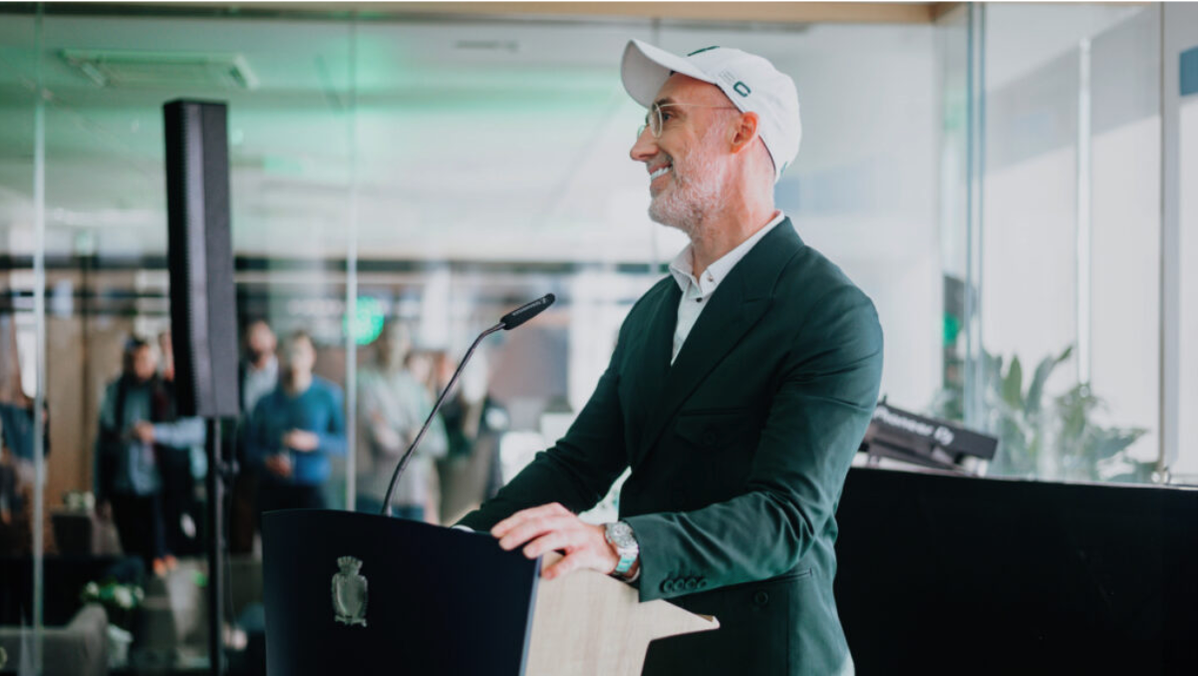
You can already see this change reflected in how Soft2Bet builds its products, influenced by the practical mindset of Uri Poliavich. The emphasis has moved away from surface-level tricks and toward something far more effective: systems designed around human motivation.
Attention isn’t lost because something wasn’t loud enough. It’s lost when follow-through is missing. Long-term commitment grows when help can be counted on, effort is recognized quietly, and using the product feels smooth rather than exhausting.
Engagement drops quickly when rewards become overly predictable. Once users can anticipate every outcome and timing, the interaction starts to feel routine and transactional rather than engaging. Click, receive, repeat. There is no tension, no curiosity, no reason to care.
More advanced engagement models avoid this trap by varying outcomes. The appeal is not randomness for chaos’ sake, but controlled unpredictability. It keeps people alert. It keeps them wondering.
An unexpected perk often carries more weight than a planned one. When appreciation shows up without warning, it feels human, not system-generated. When rewards stop behaving like calendar reminders, they start behaving like experiences.
Every Pixel Has a Job
Attention online is brutally expensive. And yet many platforms waste it by showing everyone the same cluttered interface, regardless of who they are or why they arrived. New users, loyal customers, and high-value clients all see identical screens, even though they want very different things.
Sof2Bet treats the interface as flexible, not fixed. What a first-time visitor needs is reassurance and clarity. What a long-term user wants is speed and relevance. When the screen adapts, engagement rises without adding more noise.
A dashboard that highlights frequently used features feels intuitive. A homepage that reflects past behavior feels thoughtful. The more a product feels like it recognizes its user, the less effort that user spends deciding whether to stay.
The Power of Almost
Winning feels good. Almost winning often feels better.
Psychologically, being close to a goal creates momentum. It nudges people forward. This “near-miss” effect is not manipulation when used responsibly; it is feedback. It shows progress. It makes effort visible.
Nagging emails rarely spark action. Nothing sparks momentum like noticing how far you’ve already come. When the finish line stops feeling abstract and starts feeling reachable, most people don’t need encouragement. They move forward instinctively, driven by the itch to bring something to a close.
That same principle quietly shows up across the Sof2Bet experience, from first-time setup to ongoing rewards and bigger milestones. Wherever progress can be felt, motivation tends to follow. Progress that feels tangible is harder to abandon.
Products Are Easy to Leave. Systems Are Not.
A single product competes on features and price. An ecosystem competes on habit and convenience.
When services connect smoothly, leaving becomes inconvenient. Not because anyone is locked in, but because the usefulness shows up everywhere. Education, assistance, shared spaces, and practical tools all work together, making the experience harder to walk away from. Remove one piece and the whole structure feels weaker.
This becomes obvious when a business shapes both the engine behind the scenes and the experience up front. When everything fits together naturally, trust develops quietly—and that steady trust outlives any burst of novelty.
Counting badges as proof of engagement belongs to a past era. People are sharper now. They notice when systems are shallow. What works today is deeper design. Thoughtful variation. Interfaces that respect attention. Progress that feels real. When motivation is engineered with care, users do more than stay. They invest, return, and advocate.
And that, more than any leaderboard, is what actually drives revenue.