Who Was Silvia Pinal, The Iconic Mexican Actress and What Was Her Life Journey?
Silvia Pinal, one of the finest actresses from the Mexican Golden Age, left behind such a powerful legacy in the fields of film, theatre, and television. With a life journey that spreads over several decades, Silvia Pinal became the pioneer for many generations to come in Mexican culture.

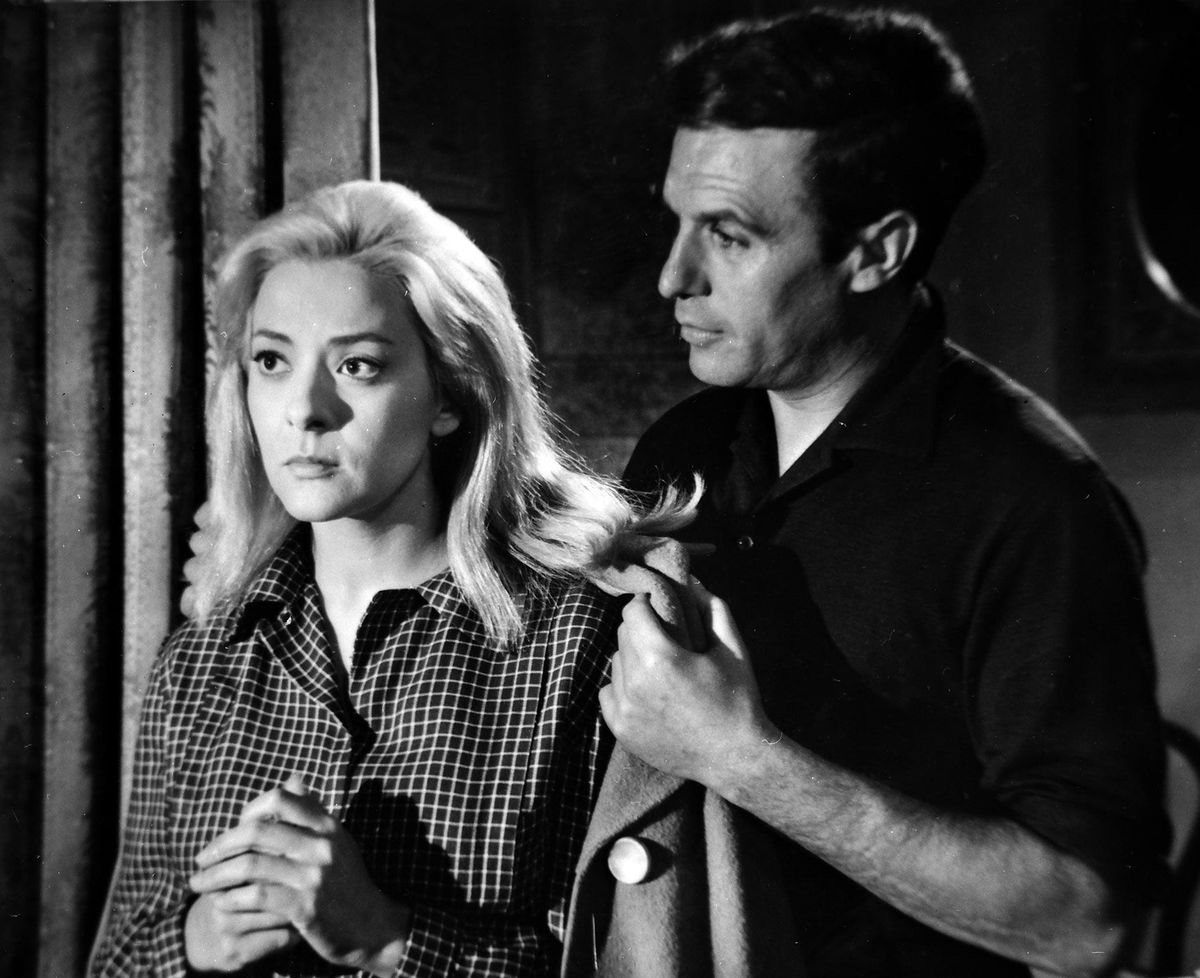
Silvia Pinal, the Mexican Golden Age icon, has departed at 93. Her death marks the end of an era for the country's film and television industries, where she became a prominent figure over a career that spanned six decades. Her breakthrough roles in Mexican and international cinema, together with contributions to theater and television, make her one of the most iconic Mexican actresses of all time. However, the legacy of Pinal extends beyond that of an actress. She was a pioneer, a trailblazer who helped define the cultural landscape of Mexico at a time of tremendous transformation.
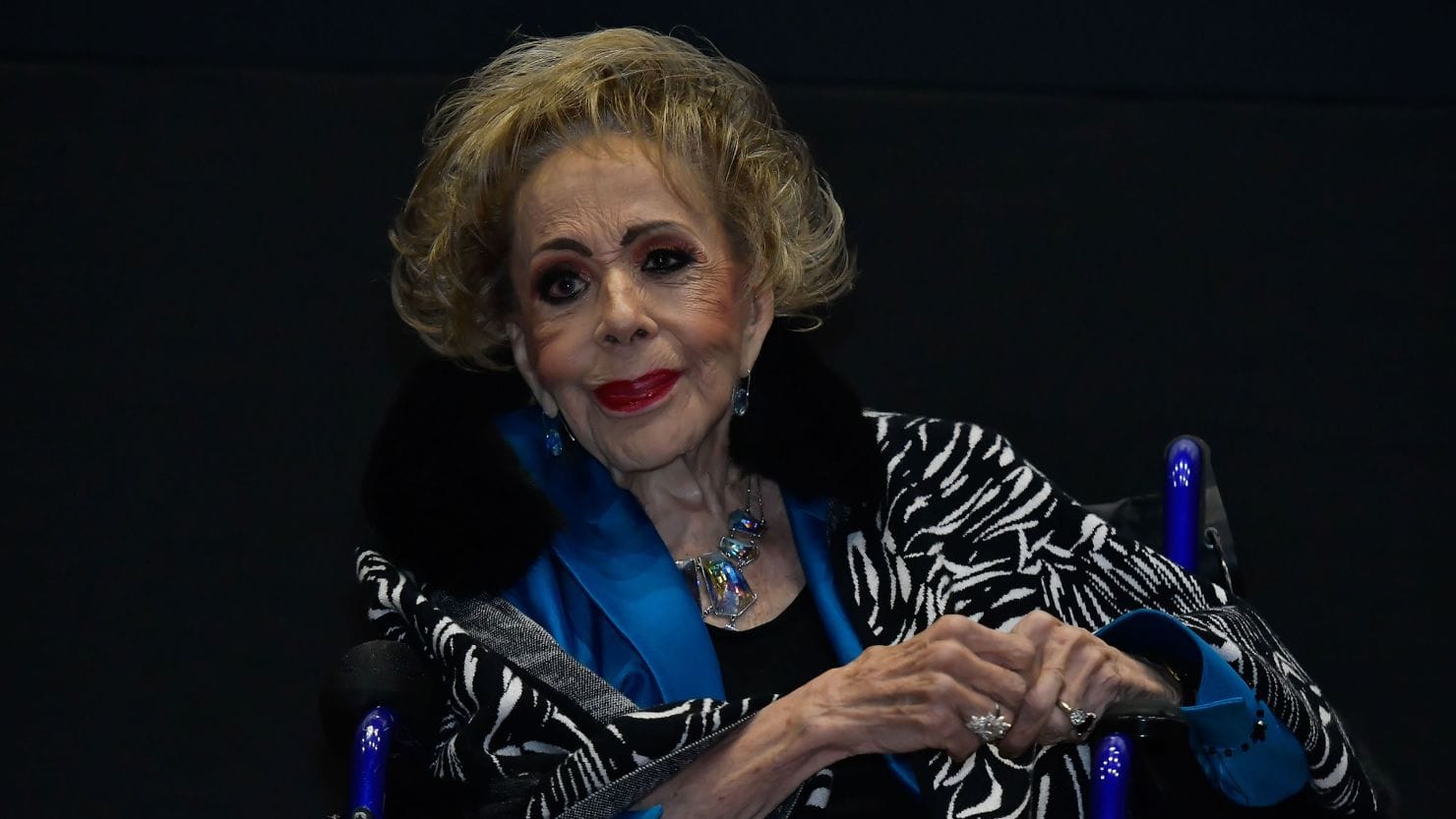
Early Life and Career Beginnings
Silvia Pinal was born on September 12, 1931, in Guaymas, which is a port city located in northwestern Mexico. From an early age, she demonstrated an aptitude for the arts. Her career started at the tender age of 18 years when she featured in the movie "Bamba" (1949). However, her success and fame were more recent, during the Mexican cinema golden age, 1950-1960. Pinal's beautiful looks and undeniable talent made her stand out for film directors at this time. She had an aura about her, a quality which set her apart in this industry filled with new talent.
Soon she landed up acting more prominent roles in films to turn out to be one of the most in-demand stars in Mexico. Pinal's filmography expanded widely as she took on very different and challenging roles in which she could demonstrate herself as a versatile actress. She starred in several classic films, many of them turning into icons in the Mexican cinema.
Silvia Pinal and Luis Buñuel: Legendary Combination
Perhaps the biggest turning point in Silvia Pinal's career came at the beginning of the 1960s, as she started working with legendary Spanish-Mexican film director Luis Buñuel. Their first project was the groundbreaking "Viridiana"' (1962), and it marked a great achievement not only for Buñuel but also for Pinal. "Viridiana" was the first film from Spain and Mexico that won the Palme d'Or at the Cannes Film Festival, thus launching her on the international map.
Pinal’s portrayal of a young novice who is conflicted by her vows of chastity and her interactions with a sinful world became one of her most memorable performances. The film was controversial at the time, particularly for its critiques of religion, and it quickly gained a cult following. Pinal’s portrayal of innocence, temptation, and vulnerability became one of the defining roles of her career.
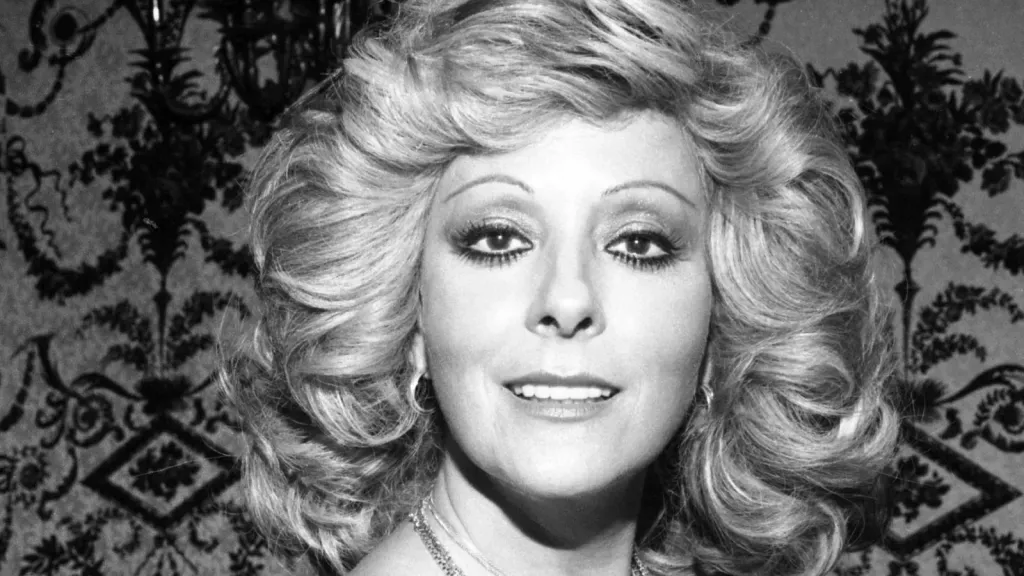
Her collaboration with Buñuel didn't stop with "Viridiana". In 1965, she collaborated with him again on "Simón del Desierto" (Simon of the Desert), another film against social and religious conventions, and later in "El Ángel Exterminador"(The Exterminating Angel) in 1967. With these films, Pinal further asserted her position as one of the most talented actresses of her generation, and collaboration with Buñuel marked a defining feature of her career.
Diversification and Success in Television and Theatrical ProductionsWhile Pinal's career in films was booming, she was not satisfied with working only in the film arena. Her versatility and her ambition took her to the stage, where she started to achieve success in musical theater. Her work in productions like "La Casa de Bernarda Alba" (The House of Bernarda Alba) received critical acclaim and presented her as a very remarkable talent capable of working in multiple genres.
Besides her stage work, Pinal's influence extended to the world of television. She became a beloved figure in Mexican households, starring in and producing the long-running telenovela Mujer, Casos de la Vida Real (Woman, Cases of Real Life), which aired from 1985 to 2007. The show was incredibly popular, addressing real-life issues such as social justice, family struggles, and emotional resilience, making it one of Mexico's most iconic television programs. This continued impacting of culture for Pinal was as she became an activist and a social cause advocate, assuming roles which reflected her stance on society.
Her long career in Televisa, a large Mexican television network, ensured that she was deeply cemented as a Mexican entertainment icon. In 2024, Televisa commemorated Pinal by hosting a series based on her life, as a gesture to appreciate her efforts towards the industry.
A Political Career and Personal Life
Apart from film, television, and theatre, Silvia Pinal had her involvement in Mexican politics. She was a member of the Institutional Revolutionary Party (PRI) and represented the party in the Chamber of Deputies, Senate, and Mexico City's local assembly. While a politician, she represented welfare for the people, particularly women, and issues dealing with cultural heritage. Her political career was as colorful and diverse as her artistic career, and this again reflects her strong commitment to public service and social change.
Pinal was married four times during her lifetime, and her personal life was often in the public eye. The fame reached such great proportions in one of her children: her daughter, rock singer Alejandra Guzmán, was one of the most popular singers in that world, and Pinal's role as a mother continued to be a legend in her children and their children, who also become artists. In spite of all the marriages and failures in her personal life, Pinal maintained a very public image as a brave, courageous, and elegant woman.
On Thursday, Pinal's family and fans mourned her death. Her daughter, actress Sylvia Pasquel, confirmed that Pinal had been in intensive care because of complications from a urinary infection. In the last days of her life, Pinal was remembered by her colleagues and the public at large.
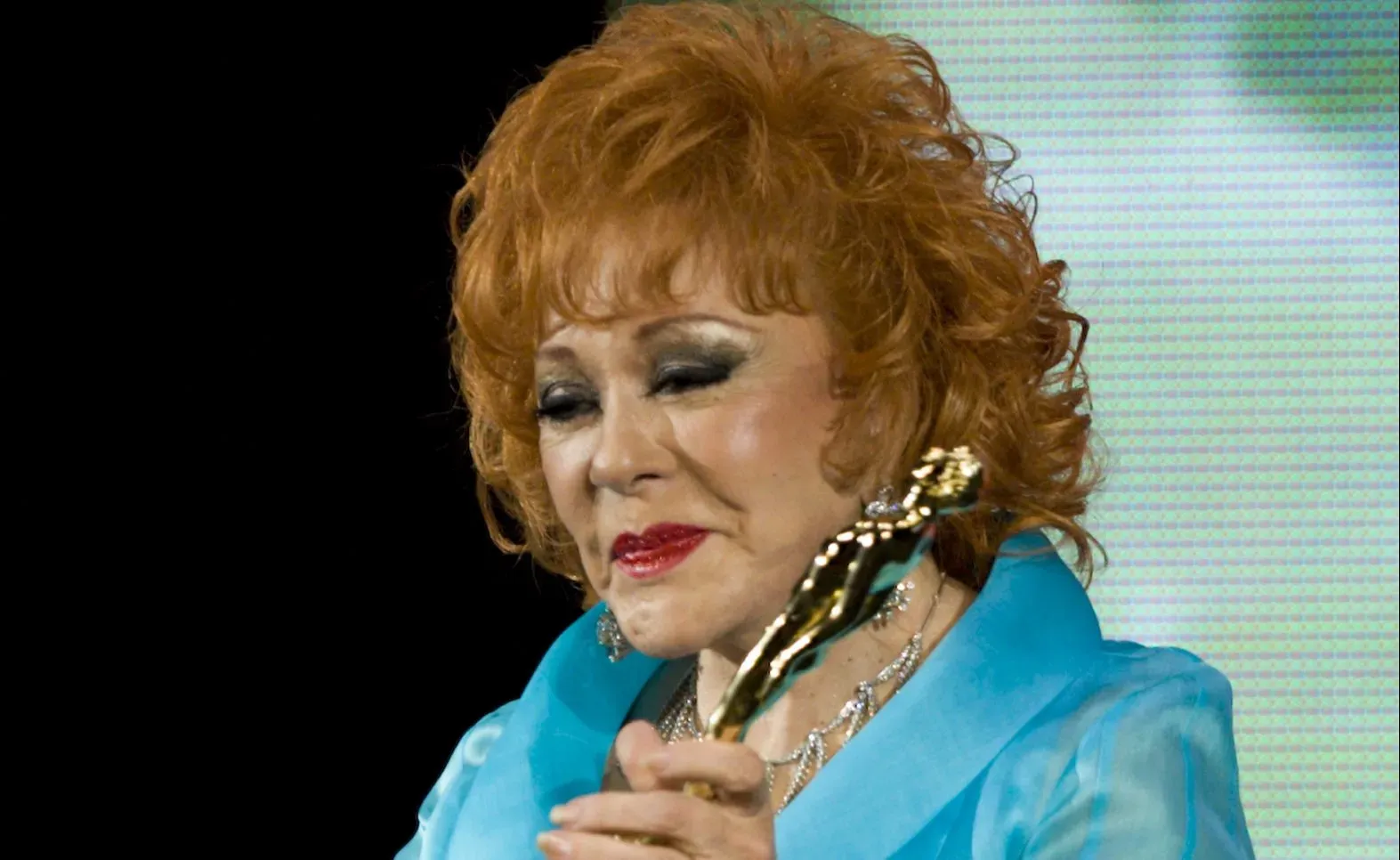
The Eternal Beauty of Silvia Pinal
One of the main things she has always held onto till this day is that of being beautiful. Distinguished from her platinum-colored hair all the way up to red lipstick, coupled with fabulous presence, marked her the quintessential figure within Mexican Cinema's Golden Era. There was the striking silhouette of Pinal, immortalized in an oil portrait executed by renowned Mexican mural painter Diego Rivera, one of the two most iconic 20th-century artists along with Picasso. The painting is still there to prove her beauty and importance in Mexican culture.
The influence of her image had a ripple effect through the decades, with the newer generations of Mexican actresses saying that Pinal was an inspiration. In many ways, Pinal's beauty became a metaphor for the larger-than-life persona she had built around herself, a mixture of glamour, intellect, and resilience.
Silvia Pinal is an actress whose work would live on even if the person is forgotten.
As Mexico's culture secretary, Claudia Curiel de Icaza, was to say, Pinal was "a pioneer in theatre, paving the way for future generations." Pinal's contributions to the arts have left an indelible mark on Mexican cinema, theater, and television. Her legacy as an artist, activist, and cultural icon remains undeniable.
Her death brings to a close an era that she was a symbol of talent and tenacity navigating the shifting landscapes of Mexican entertainment. Pinal's incredible career inspires numerous people, and her work forms part of Mexico's cultural history.
Though she may have passed, her contributions will forever resonate in the arts, politics, and beyond. Silvia Pinal’s legacy will remain untouchable, remembered for her contributions to the Golden Age of Mexican cinema and her enduring influence on generations of artists to come.
One could well use the words extraordinary talent, tenacity, and beauty when talking about Silvia Pinal's life. While her early career in Mexican cinema was followed by remarkable success in television and even politics, Pinal was one of those artists destined to reinvent herself throughout her life and to impact others. As one of Mexico's most iconic treasures, her contributions to arts will be celebrated for centuries. In Mexican culture, an entire era has come to close with Silvia Pinal's passing. Rest in peace, Silvia Pinal—your legacy will never fade.