Who Is Kash Patel's Partner? A Look into the Personal Life of Trump's FBI Director Pick

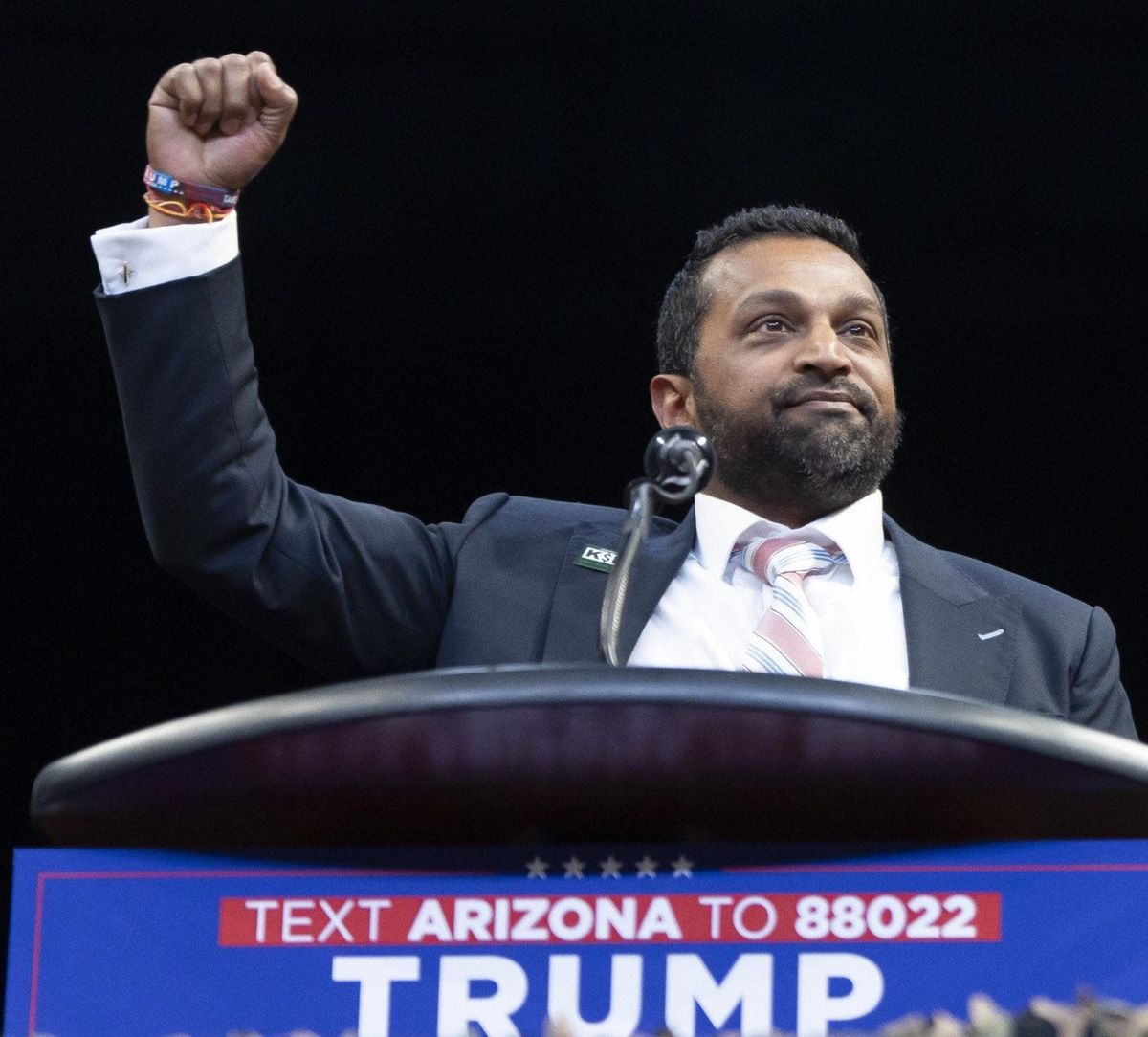
President-elect Donald Trump's unexpected decision to nominate Kash Patel as the next FBI director has sparked a wave of speculation and concern about the agency's future direction. Patel, known as a staunch Trump ally with a reputation for challenging the status quo, represents a stark departure from the current FBI director, Christopher Wray, whose measured leadership has emphasized stability and independence.
The Implications for Christopher Wray
Christopher Wray, appointed by Trump in 2017, is in the middle of his 10-year term, a tenure designed to insulate the FBI director from political pressures. Historically, most presidents have allowed their predecessor's FBI director to complete their term, recognizing the importance of maintaining the agency's independence. President Joe Biden upheld this tradition, keeping Wray in place despite political tensions.
However, Trump’s announcement signals that Wray’s time at the helm is likely coming to an end. The FBI director serves at the pleasure of the president, and Trump has shown a willingness to replace officials who do not align with his vision. Wray could choose to resign voluntarily before Trump takes office in January or face dismissal soon thereafter. If Wray steps down before Patel’s confirmation, the FBI’s deputy director would temporarily assume the role of acting director.
Kash Patel’s Nomination: A Bold and Controversial Choice
Patel’s selection is emblematic of Trump’s tendency to appoint individuals with unconventional approaches and strong loyalty to his administration. Patel, a former intelligence official and key player in Trump’s previous presidency, is poised to bring a markedly different style to the FBI. Critics and supporters alike anticipate that his leadership would focus on reforming the agency in ways that could upend long-standing norms.
Trump’s decision to sideline more traditional candidates in favor of Patel is likely to provoke intense debates in the Senate, where confirmation hearings will test Patel’s qualifications and vision for the agency. The move also underscores Trump’s broader aim to reshape institutions he perceives as resistant to his influence.
Reactions from Key Stakeholders
The Biden administration has emphasized the importance of preserving the FBI’s independence, with National Security Adviser Jake Sullivan reiterating the tradition of allowing directors to complete their terms. Sullivan told NBC’s Meet the Press that the administration had respected Wray’s autonomy, adding, “We would like to ensure that the FBI remains an independent institution insulated from politics.”
Meanwhile, the FBI issued a statement reaffirming its commitment to protecting the American people, with Wray reportedly maintaining his focus on the bureau’s mission despite the uncertainty surrounding his future.
Looking Ahead
Patel’s nomination signals a potential turning point for the FBI. Should Patel be confirmed, his tenure could redefine the agency’s role and approach in significant ways, particularly in areas like national security and federal crime investigations. However, the path to confirmation is unlikely to be smooth, with Senate hearings expected to probe deeply into Patel’s qualifications, loyalties, and plans for the bureau.
In the interim, the FBI’s 35,000 agents and staff are left navigating a landscape of political and leadership uncertainty, emphasizing their core mission of protecting the nation amidst evolving threats. As this chapter unfolds, it remains to be seen how Patel’s leadership might reshape one of the nation’s most vital institutions.
Read More: The Night Agent: Season 2 - A Thrilling Return to Action