White House Secures Agreement with Colombia on Deportation Flights After Tariff Standoff
The White House announced a breakthrough in negotiations with Colombia, securing the country's agreement to accept deported migrants following a heated trade and diplomatic standoff involving tariffs and visa restrictions.

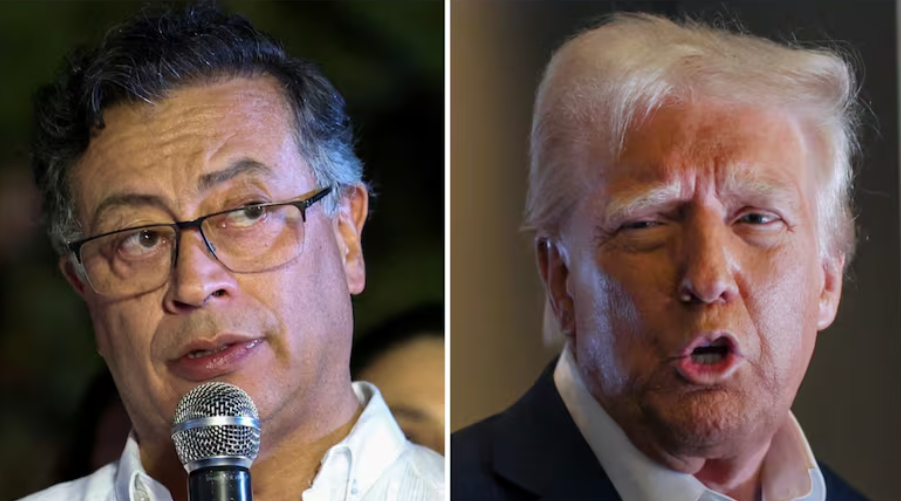
The United States and Colombia have been strategic partners for decades, especially in the fields of counter-narcotics and economic partnerships. However, tensions recently heightened when President Donald Trump imposed tough trade sanctions on Colombia after its government initially rejected deportation flights of migrants from the United States. The dispute ended in a stalemate that ultimately concluded with Colombia accepting deportation flights but with continued diplomatic fallout.
The Deportation Flights Dispute
This all started when the Colombian President Gustavo Petro turned down the landing of U.S. military aircraft transporting deported migrants. Petro criticized repatriation by the use of military planes, describing it as a method that dehumanized Colombian nationals. The Trump administration responded rapidly by imposing.
A 25% tariff on all Colombian imports, which might be increased to 50% in a week
Visa restrictions on Colombian officials and their families
Increased customs inspections of Colombian goods.
Suspension of visa processing services at the U.S. Embassy in Bogotá.
Trump's Reasoning and Colombia's Reaction
Trump explained that Petro's denial to accept the deported migrants posed a threat to U.S. national security. He posted on Truth Social that:
"We will not allow the Colombian Government to violate its legal obligations regarding the acceptance and return of the criminals they forced into the United States."
However, Petro stood against what he termed as demeaning treatment of migrants and argued against Trump's militaristic approach. He said that Colombia hosts thousands of undocumented Americans but does not engage in mass deportations involving the military.
Diplomatic Immunity Settlement
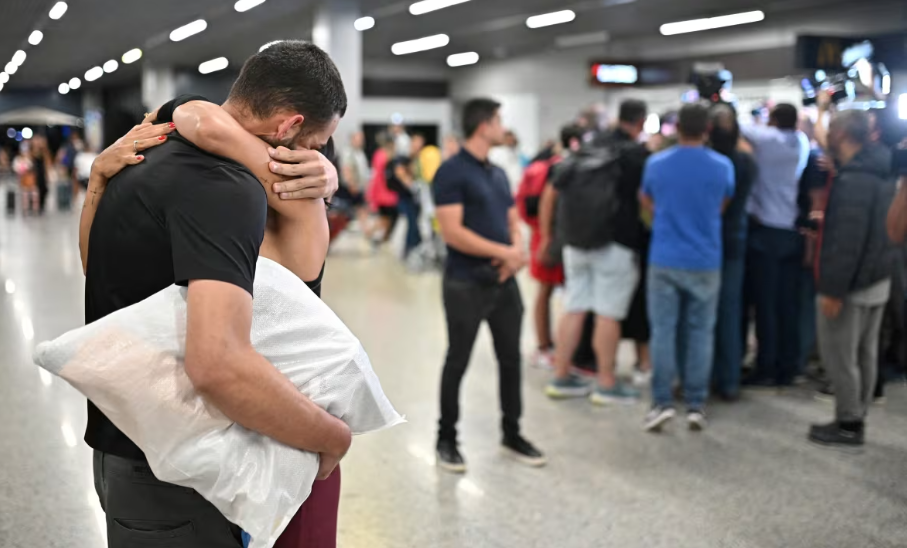
By late Sunday, the Colombian government had given in to Trump's demands, agreeing to allow the return of deported Colombian migrants via U.S. military aircraft. The White House said that while tariff increases were "held in reserve," visa restrictions on Colombian officials and enhanced inspections on goods would remain in place until the first deportation flight landed in Colombia without issue.
In a statement, U.S. Secretary of State Marco Rubio said
"We are sanctioning targeted visa restrictions on Colombian government officials responsible for interfering with U.S. repatriation operations."
Colombian Foreign Minister Luis Gilberto Murillo subsequently asserted that the crisis had been resolved, but diplomatically promised the future of the relations between both nations is tenuous.
Latin America reactions
The U.S.-Colombia standoff has set off broader discontent across Latin America. Other regional leaders have voiced concerns over Trump's immigration policies, particularly over the use of military aircraft for deportations:
Brazil condemned the "degrading treatment" of deported migrants, referencing reports of handcuffed passengers on commercial flights.
Mexico previously refused to allow a U.S. military aircraft carrying deported migrants to land, signaling potential diplomatic friction with Washington.
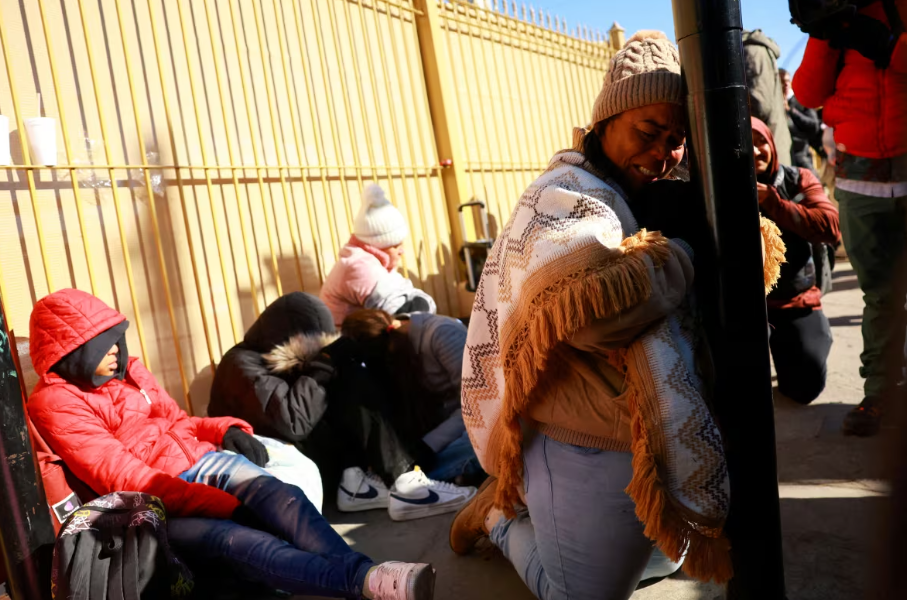
Other Latin American countries have called on the U.S. to take a more humane policy towards deportations.
Economic Consequences of the Crisis
Colombia and the U.S. share a strong trading relationship, having a two-way trade volume at $33.8 billion in 2023. The use of tariffs impacted the country's key exports: crude oil; gold; coffee; cut roses.
The U.S. also stood to suffer from reduced access to Colombian goods, with American importers expressing concerns about the economic fallout from Trump's aggressive trade policies.
Looking Ahead: Future U.S.-Colombia Relations
Although the immediate crisis has been averted, tensions between Washington and Bogotá remain high. Analysts predict that future disagreements over immigration policy could lead to similar standoffs, potentially straining diplomatic relations further. Moreover, Trump's stance has set a precedent for how the U.S. might handle deportation disputes with other nations.
FAQs
Why did Colombia initially refuse to accept deported migrants?
The Colombian President Gustavo Petro had raised several objections for the employment of the U.S. military airplanes for deportations. He said that this makes migrants criminals and took away their dignity.
What were the retaliatory measures that Trump implemented against Colombia?
Trump imposed a 25% tariff on the import from Colombia, visa restrictions on Colombian government officials, increased customs inspection, and suspended visa processing at the U.S. Embassy in Bogotá.
How was the situation resolved?
After escalating tensions, Colombia agreed to accept deported migrants, leading the U.S. to pause tariff hikes while maintaining visa restrictions until the first successful deportation flight.
How did other Latin American countries react?
Countries like Brazil and Mexico condemned the U.S. approach, criticizing the treatment of deported migrants and refusing to allow U.S. military aircraft carrying deportees to land.
What are the economic consequences of this dispute?
The trade standoff threatened exports of crude oil and coffee to the U.S. and made U.S. importers nervous about interrupted supply lines.
The White House's handling of the Colombia deportation crisis is a harbinger of what other nations can expect if they opt to resist U.S. immigration policies. No one knows yet what the ultimate consequences on diplomatic and economic relations will be, but no immediate manifestations of this conflict will be seen.