What If Burnout Isn’t the Problem but the Symptom?
Exploring Bhupendra Chaudhary’s New Framework for Rebuilding the Way We Work

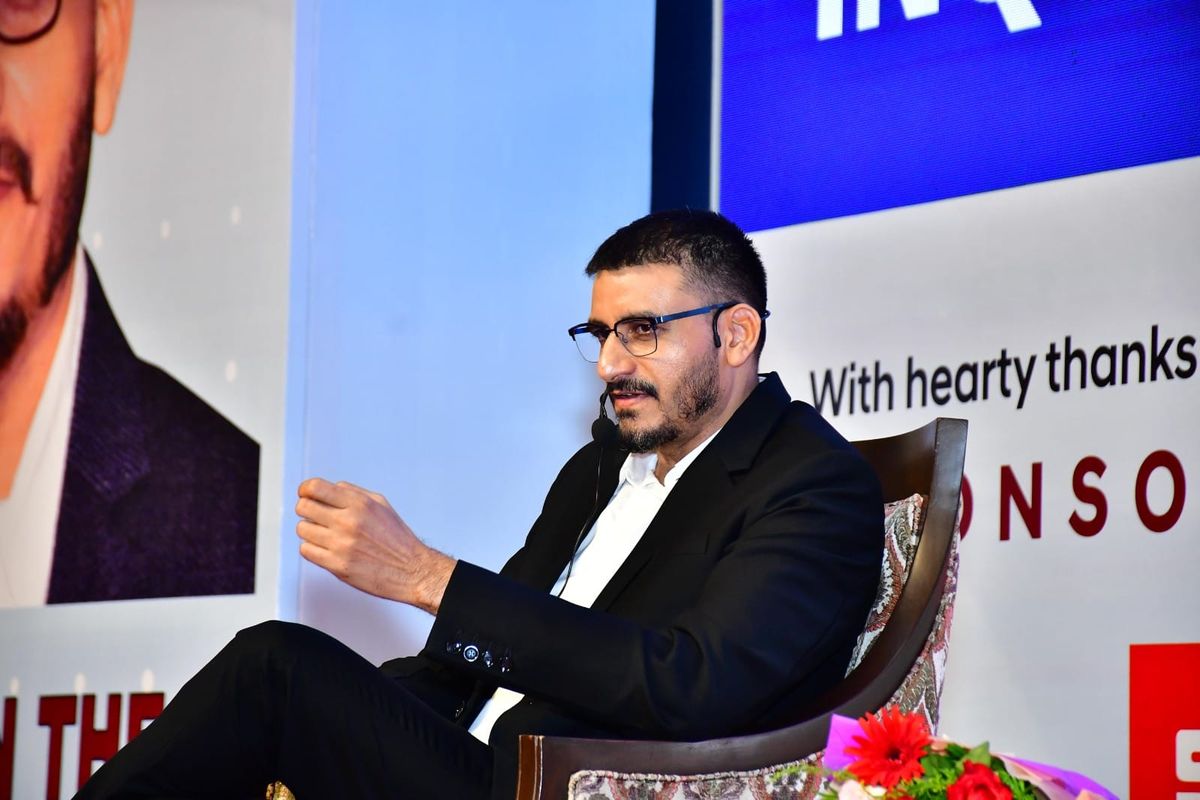
The conversation around burnout has become all too familiar. Employees and executives alike are facing unprecedented levels of stress, dissatisfaction, and mental health struggles in the workplace. Wellness programs are now commonplace, and organizations are trying to solve the issue by providing quick fixes. But what if burnout isn’t the true problem? What if it’s simply a symptom of something deeper?
Bhupendra Chaudhary offers a radical shift in perspective. His science-backed approach argues that the real issue lies in the foundational structure of our work lives. According to Chaudhary, businesses aren’t failing because people aren’t working hard enough. They’re failing because they haven’t prioritized self-awareness. Chaudhary’s new framework seeks not just to manage burnout but to tackle its root cause by transforming how we approach leadership and decision-making.
Many business leaders today have been trained to optimize performance, pushing themselves and their teams toward efficiency and output. But in this race for productivity, something essential has been overlooked: presence. Chaudhary believes that the true crisis at the heart of burnout isn’t related to workload. It’s a lack of awareness.
Rather than focusing on efficiency, Chaudhary advocates for leaders to cultivate awareness and self-inquiry. Business success cannot be sustained without understanding the minds that drive it. We’ve measured productivity, but not the consciousness behind it. As a result, organizations become caught in a cycle of burnout, stress, and disengagement, making it clear that the problem goes beyond simple work demands.
The real failure, Chaudhary argues, is that businesses haven’t paused to reflect on the deeper question: How well do leaders understand themselves, their motivations, and their decision-making processes? Without this self-awareness, companies cannot foster the kind of growth and resilience needed to thrive.
The release of Chaudhary’s upcoming book, Corporate Blackholes, marks a significant milestone. The book dives deep into the roots of corporate dysfunction, offering a bold new framework for leadership. In addition to the book, Chaudhary has launched a suite of tools to help businesses put his methods into practice, including workshops, executive programs, and digital learning products.
This isn’t just a personal achievement for Bhupendra. It’s a timely response to the global leadership crisis. As the world faces increasing workplace burnout, Chaudhary’s work offers a much-needed blueprint for rebuilding organizations that foster resilience, purpose, and sustainable growth.
Chaudhary’s Modernized Self-Inquiry method isn’t grounded in abstract spirituality. It’s a practical, science-based approach designed to help leaders and teams build deeper self-awareness. By engaging in this method, leaders can start to unravel the mental patterns that contribute to stress and burnout and make decisions with greater clarity and purpose.
The benefits of self-inquiry are profound:
Reducing Decision Fatigue: Leaders often face burnout from the constant decision-making required in their roles. Self-inquiry helps reduce this fatigue by enabling leaders to recognize and address the underlying mental patterns that contribute to indecision.
Aligning Business with Purpose: Entrepreneurs and business leaders can use self-inquiry to align their professional ambitions with their personal values, creating a sense of fulfillment and purpose in their work.
Improving Team Culture: Self-inquiry fosters awareness, helping leaders create environments that are more emotionally intelligent and supportive. This improves trust, communication, and collaboration within teams.
For example, take a moment to think about a recent difficult decision you made. Did it feel overwhelming or clear? Self-inquiry encourages you to reflect on your mental state during that time, helping you understand whether your decision was driven by clarity or stress and how you can make better, more informed decisions moving forward.
Chaudhary’s approach stands in stark contrast to traditional corporate wellness programs, which often focus on temporary relief—such as stress management techniques or short-term leadership coaching. Chaudhary’s method isn’t about quick fixes. It’s a sustainable framework for deep and lasting transformation. It’s grounded in neuroscience and ancient wisdom, offering a comprehensive model that leaders can apply to create lasting change in both their personal lives and organizations.
This isn’t a “feel-good” method. It’s a scalable, practical approach that can be applied to improve decision-making, emotional intelligence, and team dynamics. Leaders who have adopted this method report not only improvements in productivity but also a shift in how they view their roles, their teams, and their companies. One such leader shared, “After applying Bhupendra’s self-inquiry techniques, our leadership team became more self-aware and empathetic. This shift created a ripple effect throughout the organization. Our productivity increased, but so did our employee retention and overall happiness.”
The timing of Chaudhary’s work couldn’t be more critical. As businesses continue to grapple with challenges like conscious capitalism, values-based hiring, and mental health in the workplace, Bhupendra’s approach provides more than just a set of strategies. It offers a new way of thinking about leadership itself.
In a world overwhelmed by endless productivity hacks and new methodologies, leaders need more than just new strategies. They need new ways of seeing, thinking, and being. Bhupendra’s framework provides these tools, emphasizing that true success comes from a deeper understanding of self and purpose.
So, as the conversation around burnout and workplace dissatisfaction continues to evolve, it’s worth asking: Are we really addressing the root cause of these problems, or are we simply managing the symptoms?
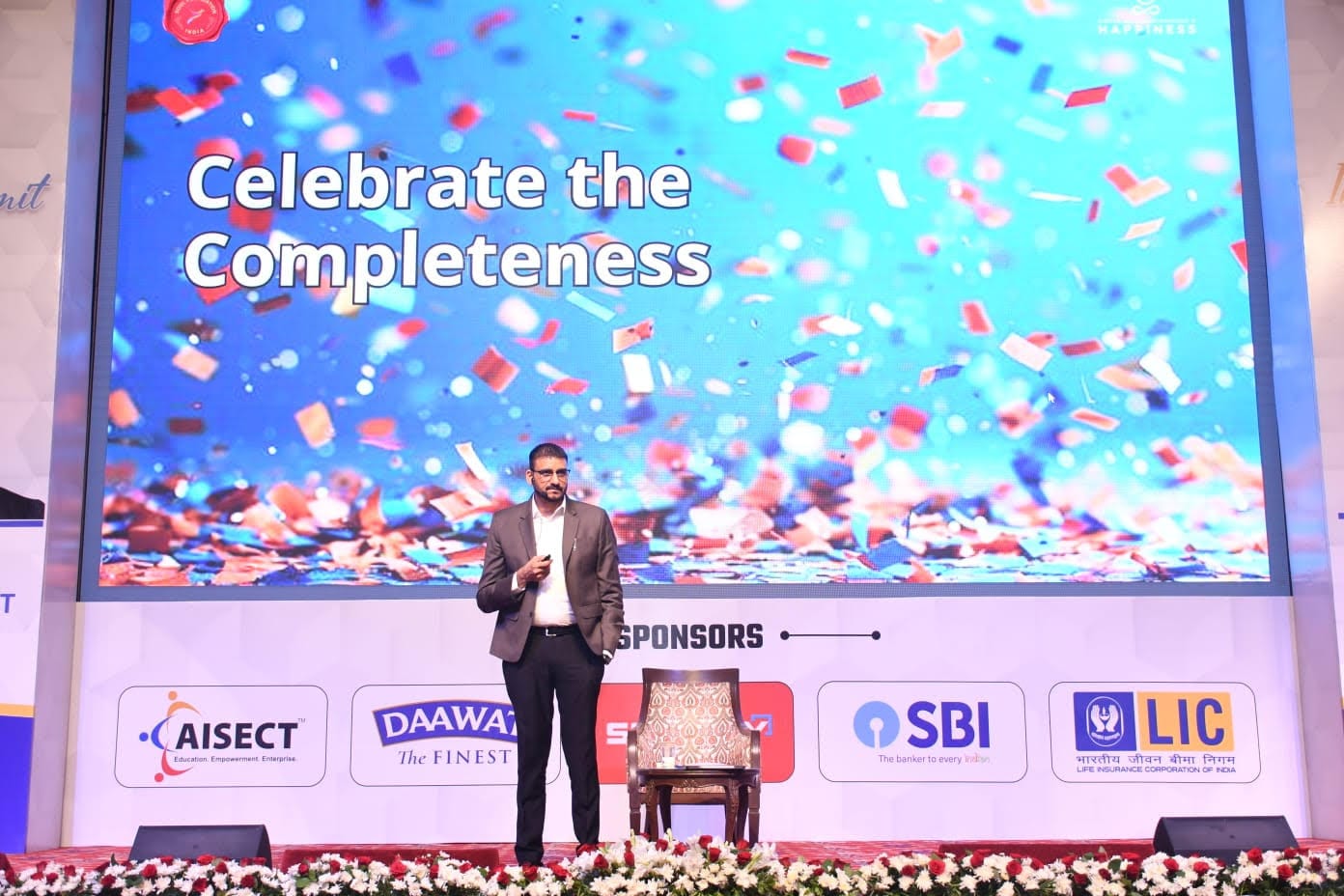
Bhupendra Chaudhary’s work offers a path to rebuild leadership from within, providing leaders with the tools to create organizations that are not only successful but truly healthy and resilient. His methods allow leaders to embrace self-awareness as a cornerstone of effective leadership and ultimately create a workplace culture that values fulfillment alongside productivity.
To learn more, explore Corporate Blackholes and discover the upcoming workshops and resources designed to help you build a more conscious, resilient leadership approach.