What Body Language Revealed at the Trump–Putin Alaska Summit

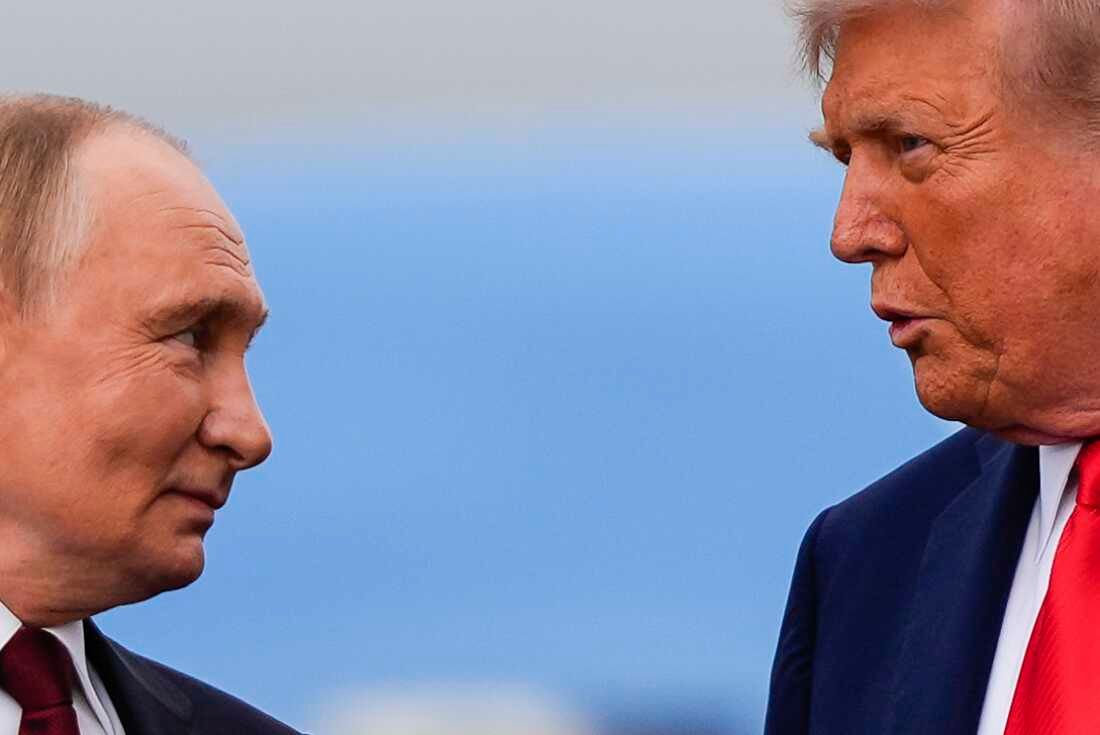
When President Trump welcomed President Putin at Joint Base Elmendorf-Richardson in Alaska, the moment began with what appeared to be a friendly, genuine meeting. According to Dr. Peter Collett, a body-language expert, both leaders exchanged smiles that involved the muscles around their eyes—classic signs of authentic pleasure. But under the surface, their gestures spoke volumes.
Handshakes Full of Subtext: Who Held the Power?
The handshake was a subtle display of dominance. Putin’s extended hand signaled enthusiasm and commitment, but it was Trump’s subsequent gestures—numerous hand “pats” and the final touch—that conveyed a power play. Dr. Collett suggests these pats weren't casual. “That’s his way of telling Putin he’s in charge,” he says, highlighting how dominant individuals often claim the last touch in such exchanges.
Manspreading and Posture: Seats of Authority
Once seated before the cameras, Putin appeared more dominant. His wide-legged posture—what’s become known as “manspreading”—along with his straight-backed, composed posture, underscored confidence. Trump, by contrast, leaned inward, suggesting unease or concern.
Gentle Gestures, Not So Gentle Messages
Outside of the formal meeting, Trump guided Putin with a hand placed firmly behind his back. Although it could look courteous, Dr. Collett interprets it as a dominance display—Trump subtly steering the proceedings.
Changing Expressions: After the Private Meeting
When the two emerged from their closed-door talks, Trump’s demeanor had visibly shifted. His smile faded into a drawn expression—an indication that maybe, despite earlier warmth, something had gone off-script. Dr. Collett points out that this change hinted that no substantial agreement had been reached.
Alternate Analysis: Mutual Affection or Power Play?
Other experts offered a slightly different take. For example, Dr. Beth Dawson observed that Putin descended from his aircraft with energy and ease, while Trump appeared cautious—gripping the handrail and stepping slowly. At the meeting, Dawson noted signals like Trump pulling Putin closer and patting his hand, gestures she described as symbolic of familiarity and mutual appreciation.
Still, when facing the press, Trump’s body language grew more guarded. A shift in expression suggested that talk had grown more serious, even tense.
A Summary of Nonverbal Cues
Here’s what the body language revealed:
- Smiles at the start: Genuine warmth when they first met.
- Hand pats: Trump asserted dominance, often getting the final touch.
- Seated posture: Putin appeared more in control; Trump seemed uneasy.
- Guiding gesture: Trump subtly steered Putin with a hand on his back.
- Post-meeting shift: Trump’s smile faded, hinting at unresolved tension.
Why This Matters
Diplomatic events hinge not just on what’s said, but what isn’t. In this case, body language added a layer of insight to the limited official information—no ceasefire was announced, and public remarks remained vague. The nonverbal messages suggested that while cordiality was on display, real agreement likely remained out of reach.