What are the BRIC nations? Why did Donald Trump threaten them with tariffs
The BRICS alliance—Brazil, Russia, India, China, and South Africa—represents a rising challenge to U.S. dollar primacy. Trump's 100% tariff threats against BRICS underscore rising global economic tensions.

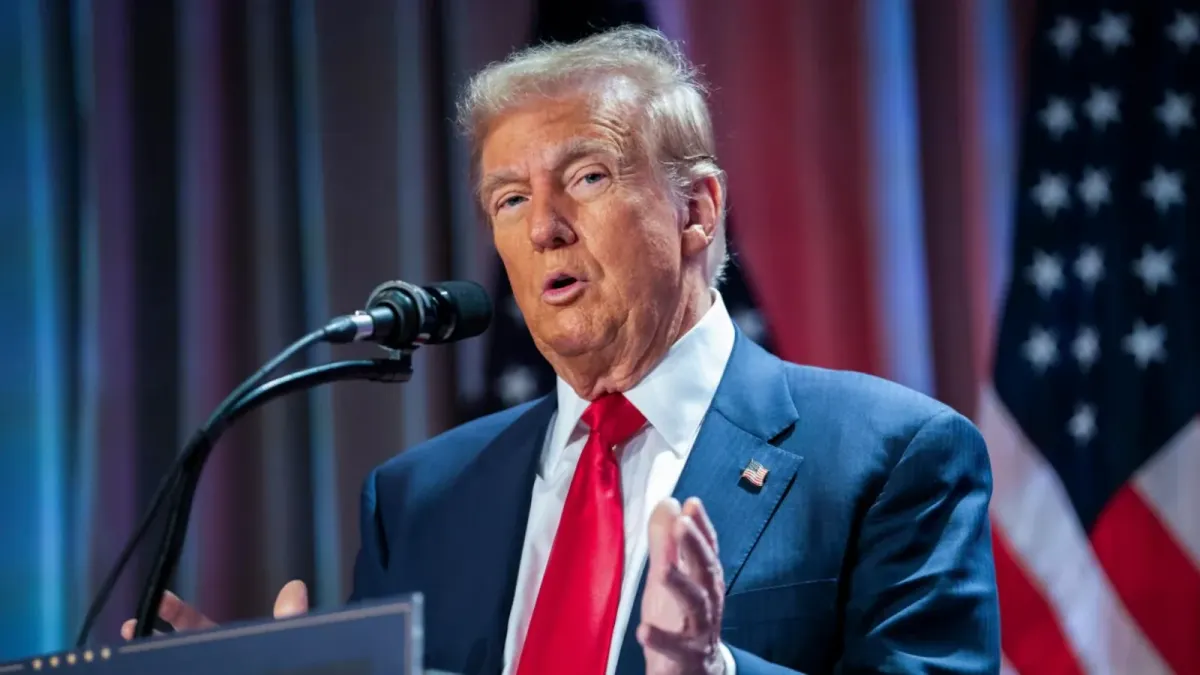
In recent years, the BRIC alliance has become a focal point of international economic strategy, raising questions about the global dominance of the U.S. dollar. With President-elect Donald Trump threatening aggressive tariffs against this bloc, the topic has garnered even more attention. This article explores the origins of the BRIC nations, their evolving dynamics, and why Trump's threats have escalated tensions on the global stage.
What is the BRIC Alliance?
The BRIC nations—Brazil, Russia, India, and China—initially formed a strategic bloc in 2009 to amplify their influence on global economic policies. South Africa joined in 2010, transforming BRIC into BRICS.
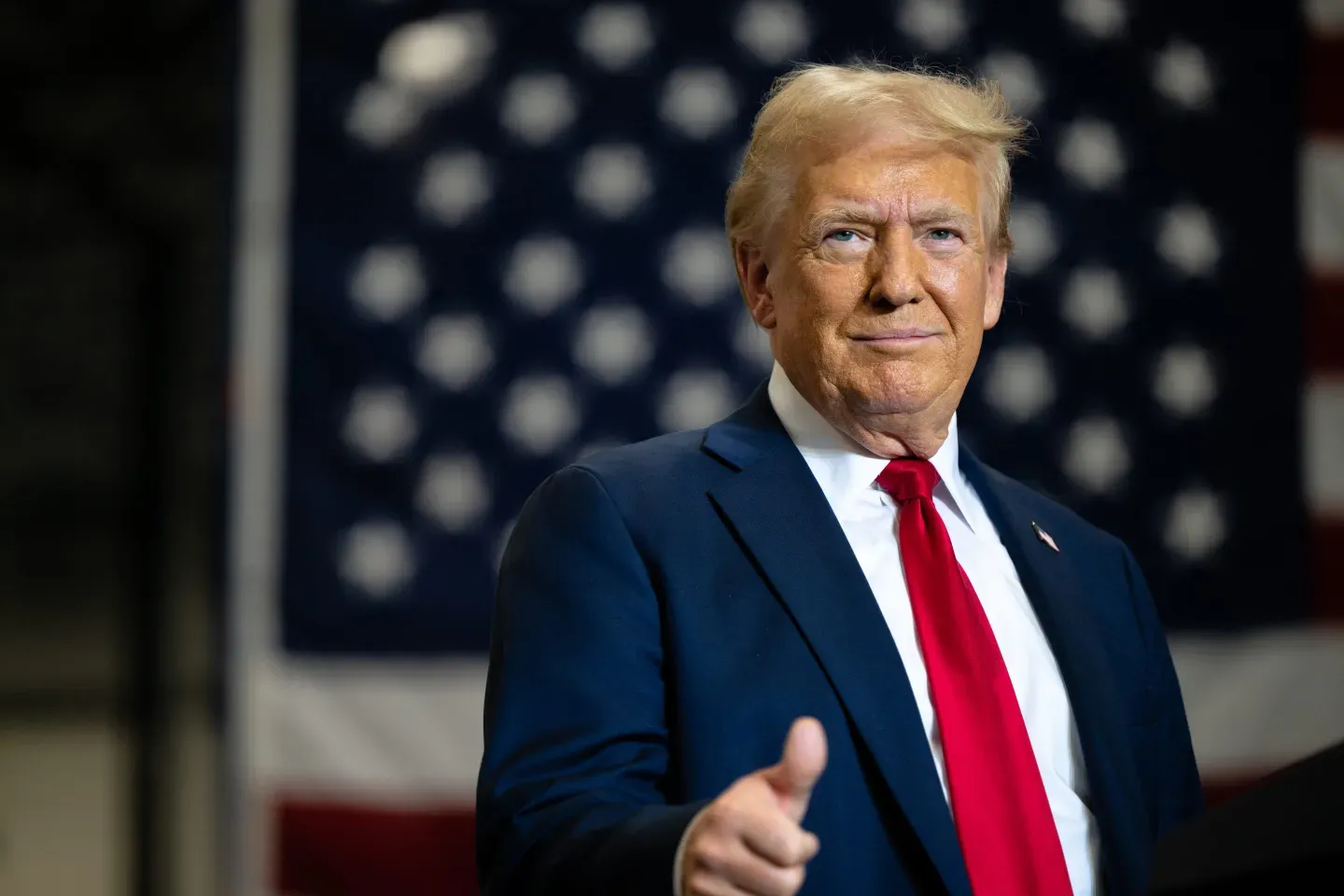
The group's original cause was to fight for more representation in the international financial organizations, such as the IMF and the World Bank. Their combined economic growth and their increasing GDPs made them impossible to ignore. As an example, in 2012, the bloc committed $75 billion to the IMF to upgrade its capacity to lend; this shows their commitment to a new global financial order.
In recent years, the group has grown more ambitious. By expanding its membership to include Egypt, Ethiopia, Iran, and the United Arab Emirates, the bloc now spans continents and represents a significant portion of the global population. Additionally, nearly three dozen countries, including Turkey, Azerbaijan, and Malaysia, have expressed interest in joining, further boosting BRICS' clout.
The U.S. Dollar’s Global Dominance
The supremacy of the U.S. dollar as the world's reserve currency has its roots back in the post-World War II period. It was during the Bretton Woods Conference in 1944 that global leaders agreed upon a financial system based on the U.S. dollar. Britain and other economies were wrecked during the war, but the United States performed superbly, making the dollar the most reliable for trading across the globe.
Today, the U.S. dollar constitutes about 58% of the world’s foreign exchange reserves, according to the IMF. It serves as the backbone of international trade, even in transactions where the United States is not directly involved.
Challenges to the Dollar's Dominance
The BRICS nations have openly criticized America's dominance in global finance, with some members taking steps toward "de-dollarization."
China: The yuan is finally achieving broad traction in international trade, especially between BRICS such as Russia and Brazil.
Russia: With U.S. sanctions looming large, the Russian ruble has increasingly become a part of bilateral trade within the bloc.
Brazil: President Luiz Inácio Lula da Silva sees this block forming a common currency for South America, rather like what happened with the Euro in a continent that wants to reduce dollar dependence.
During a summit organized by Russian President Vladimir Putin in 2023, the leaders of BRICS openly discussed the possibility of creating a new BRICS currency. The new currency would serve as an alternative to the U.S. dollar for international trade, further challenging its supremacy.
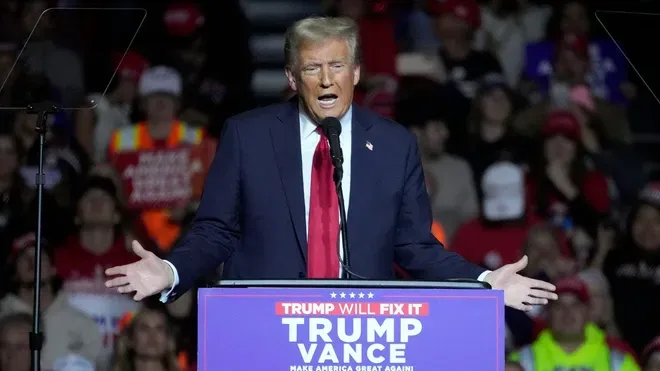
President-elect Donald Trump has been vocal about his disdain for the BRICS nations' efforts to undermine the dollar. In a post on Truth Social, Trump threatened to impose 100% tariffs on goods from BRICS members unless they pledge to abandon plans for a new currency or any alternative to the dollar.
"The idea that the BRICS countries are trying to move away from the Dollar while we stand by and watch is over," Trump declared.
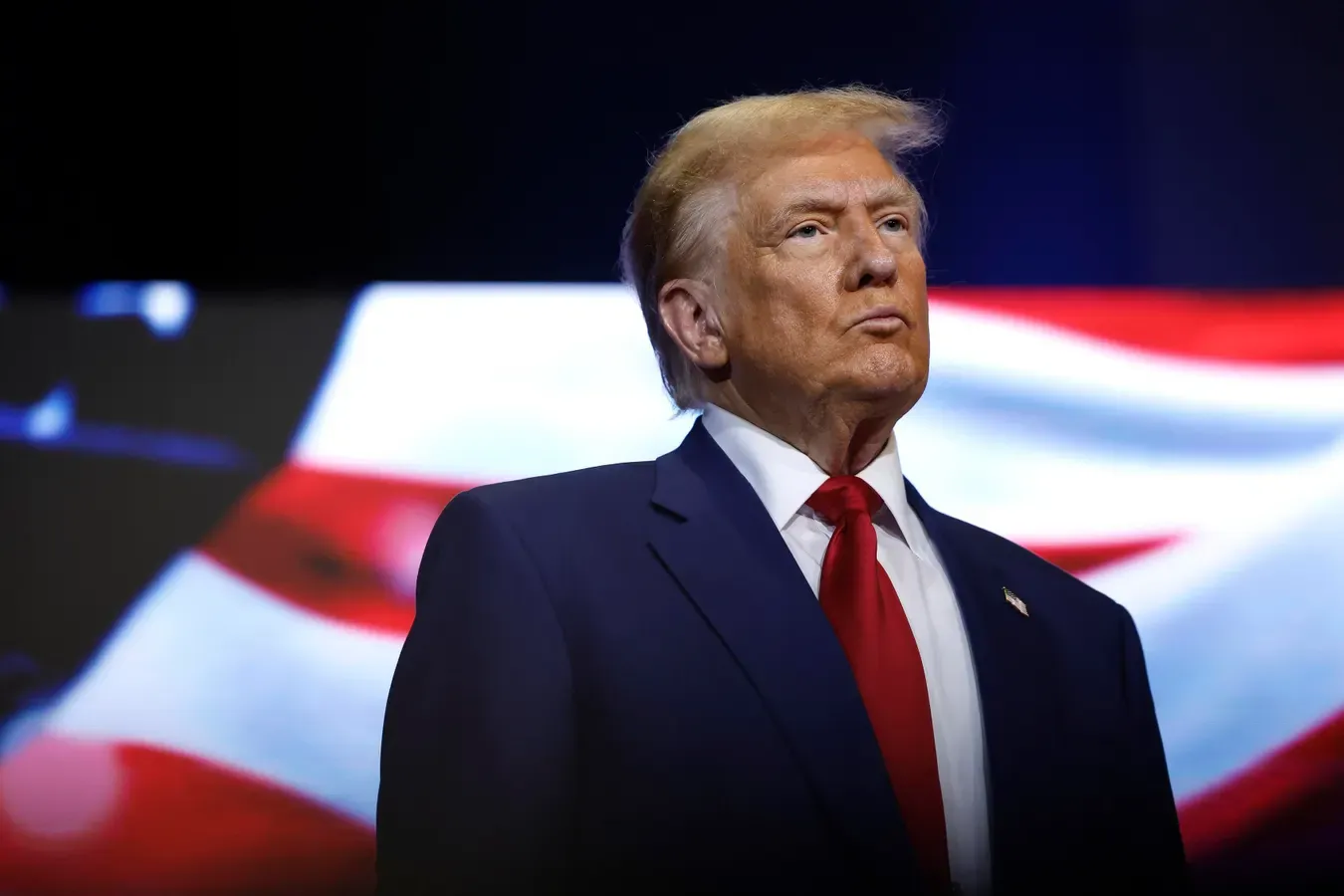
This hardline stance is part of a more comprehensive protectionist agenda by Trump, including tariffs on goods from allies and enemies alike. In his 2024 presidential campaign, he promised to impose a 25% tariff on imports from Mexico and Canada and a 10% tax on Chinese products. His latest threats against BRICS fall in line with this approach, indicating a commitment to defend America's economic interests.
Economic Consequences of Trump's Tariff Threats
Such an act of Trump as the president may lead to enormous repercussions:
Shake of Global Trade: The 100 per cent tariff on BRICS's import will be a drastic shake in global supply chains involving from tech to agriculture sector.
Retaliations by BRICS countries: Targeted nations will likely retaliate and will thus push into a full-scale trade war.
Impact on American Consumers: The imposition of higher tariffs might force higher prices on imported goods, causing financial burdens on American consumers.
Geo-political Tensions: Threats by Trump may have geopolitical rivalries intensify, bring BRICS members closer, and hasten their de-dollarization plans.
BRICS is a significant bloc in the world economy. Its members bring about around 40% of the world's population and nearly 25% of the global GDP together. With the help of new memberships from states like Iran and the UAE, these shares are expected to increase in the future.
The economic policies of the bloc, from using local currencies for trade and exploring a common BRICS currency, have been picked up by other developing nations. If successful, these initiatives could weaken the hegemony of the dollar, reshaping the global financial system.
Broader Implications for U.S. Foreign Policy
Trump's intimidations of BRICS are part of a larger pattern in U.S. foreign policy. Under his administration, the United States has embarked on a confrontational role in trade, immigration issues, and international alliances.
While some believe that Trump's position is a defense of American economic interests, others argue that it will isolate the U.S. from the rest of the world. The impact of a trade war with BRICS may undermine America's economic stability and global leadership.
The BRICS alliance indeed poses a global challenge to the overall dominance of the U.S.dollar and presents an alarming trend whereby Donald Trump threatens to hit the bloc with tariffs. Indeed, BRICS expansion and its search for alternative means of settlement spell a potential revolution of the current international finance structure.
Whether this hard line will protect America's economic supremacy or be a precursor to an expensive trade war remains to be seen. What is clear, however, is that the BRICS nations are no longer willing to stay within a system dominated by the dollar, and their ambitions could change the face of globalization.