US Will Recognize Only Two Genders - Male and Female: Trump's Strike at DEI
President Trump announced that the U.S. government will only recognize two genders—male and female—eliminating DEI policies supporting gender diversity. This decision has sparked legal battles and strong public reactions.

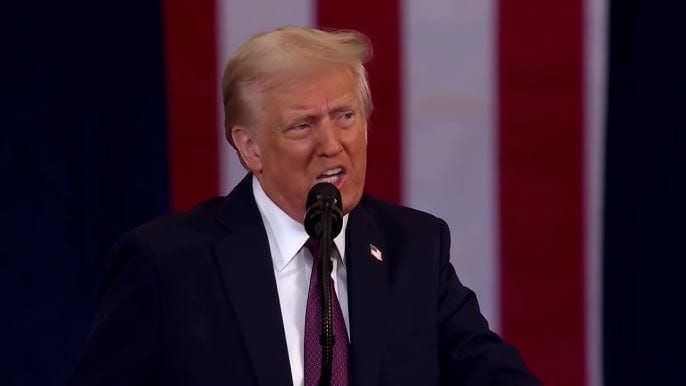
Announcing actions on diversity, equity, and inclusion (DEI) programs, newly-appointed US President Donald Trump said that from now onwards, America will have only two genders -- male and female.
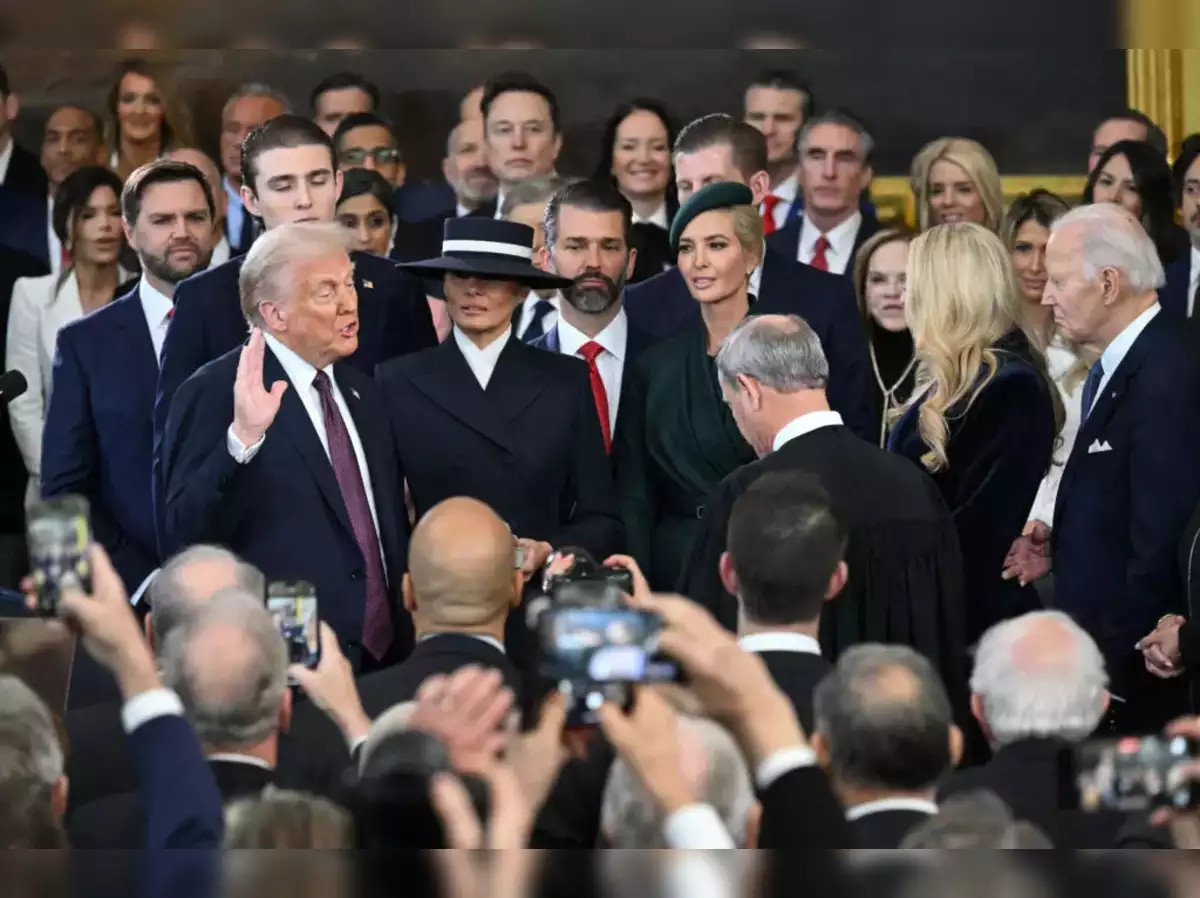
47th United States President Donald Trump, soon after taking the oath of office, announced that he would soon sign an executive order ending gender diversity, proclaiming that the American federal government will only recognize two sexes -- male and female.
"As of today, it will henceforth be the official policy of the United States government that there are only two genders - male and female," Trump said.
A Radical Shift in Policy
The decision marks a significant shift from previous policies under the Biden administration, which had expanded federal recognition of non-binary and transgender identities. Trump’s stance is expected to impact policies on identification documents, healthcare, education, and employment laws.
Under the Biden administration, passports, driver’s licenses, and other federal documents included options beyond male and female to accommodate non-binary individuals. However, Trump’s directive aims to revoke such accommodations and return to traditional gender classifications.
Implications for Federal Institutions
Federal agencies will be required to conform to the new directive, potentially affecting how government institutions interact with transgender and non-binary individuals. This includes areas such as:
Healthcare: Access to gender-affirming care may face new restrictions.
Education: Title IX policies, which protect against gender discrimination, may be revised.
Employment: Anti-discrimination laws may no longer protect gender-diverse individuals.
Military Service: The ban on transgender individuals in the military, which was lifted during Biden’s presidency, may be reinstated.
Criticism and Support
Trump’s announcement has drawn both praise and backlash. Conservative supporters view this as a return to “traditional values” and a rejection of what they see as “woke ideology.” On the other hand, LGBTQ+ advocacy groups and civil rights organizations have condemned the move, calling it a direct attack on the rights of transgender and non-binary individuals.
Organizations like the ACLU and GLAAD have already promised to challenge the executive order in court; they state that it collides with both personal freedoms and equal protection under the law.
Impact on DEI Programs
The elimination of gender diversity recognition will lead to the most significant change in DEI programs. Many corporations and educational institutions that receive federal funding will have to either revise or cancel programs promoting gender inclusivity.
Some of the changes include:
Funding for gender diversity training will be removed.
Workplace policies that accommodate non-binary employees will be rolled back.
Diversity programs in schools and universities will be restructured.
Legal Battles Ahead
Legal experts anticipate a series of lawsuits challenging Trump’s executive order. The basis of these legal challenges will likely center around the Constitution’s equal protection clause and prior Supreme Court rulings on LGBTQ+ rights.
Some states with Democratic leadership have already signaled their intention to defy the federal directive and continue recognizing gender diversity at the state level.
Public Reaction
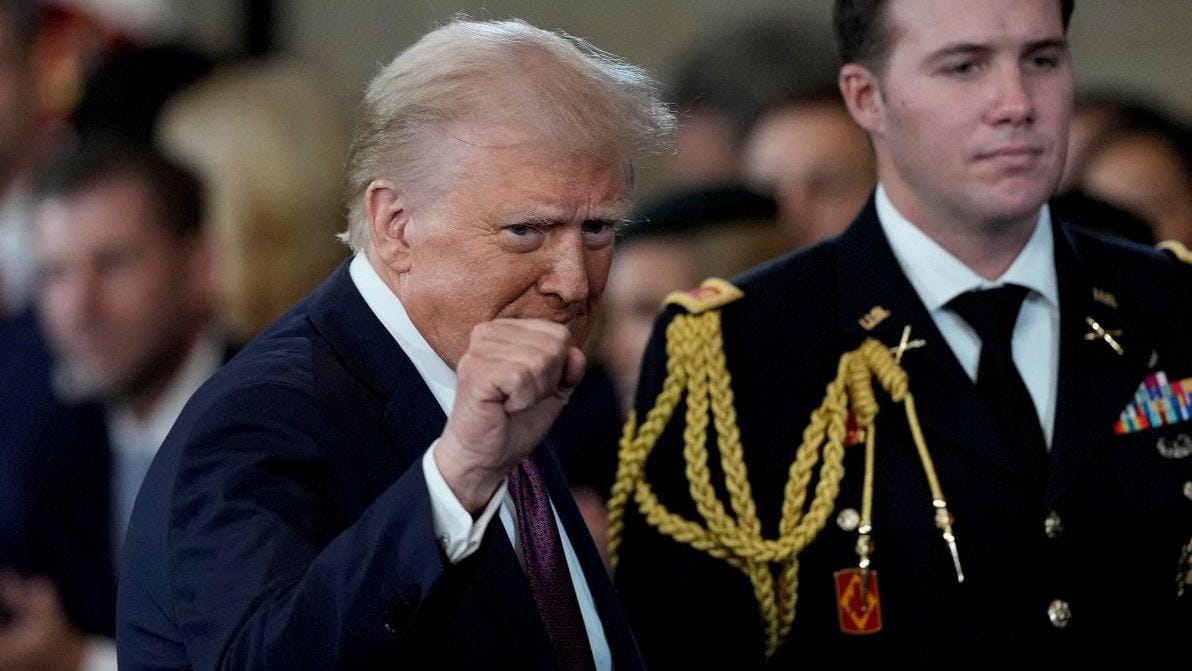
The public reaction has strongly polarized. While conservative commentators have lauded the approach taken by Trump in this matter, progressive voices argue that the policy erases rights and identities from the most vulnerable population.
Hashtags on social media are trending with supporters #OnlyTwoGenders and opponents using the hashtag #TransRightsAreHumanRights.
Internationally, the policy has received mixed reactions. Countries with conservative gender policies, such as Russia and Saudi Arabia, have praised the move, while European nations and Canada have expressed concern over the rollback of transgender rights in the United States.
What Comes Next?
The Trump administration will likely continue implementing this policy, but the future of gender identity recognition in the United States will be defined by the legal battles and state-level opposition that follow. The next few months will determine how much of this policy will stand up to judicial scrutiny.
FAQ Section
What does Trump's executive order on gender recognition mean?
Trump’s executive order mandates that all federal agencies and institutions recognize only two genders, male and female. This affects identification documents, legal protections, and DEI programs.
How will this impact transgender and non-binary individuals?
Transgender and non-binary individuals may face increased challenges in obtaining legal recognition, accessing healthcare, and securing employment protections.
Can states defy Trump’s order and continue recognizing non-binary identities?
Yes, individual states can maintain their own policies regarding gender recognition, but federal agencies will no longer accommodate non-binary identities.
What legal challenges is this policy likely to face?
Civil rights organizations are expected to file lawsuits citing violations of equal protection under the Constitution and previous Supreme Court rulings on LGBTQ+ rights.
How will this affect DEI programs in workplaces and schools?
Federal funding or restrictions on implementation of DEI programs that promote gender diversity may be lost, especially in institutions that rely on government resources.