US Postal Service Suspends Incoming Packages from China, Hong Kong Amid Trump’s Trade Crackdown
The U.S. Postal Service has temporarily suspended parcels from China and Hong Kong following Trump's crackdown on the de minimis loophole, impacting retailers like Shein and Temu amid new tariff regulations.

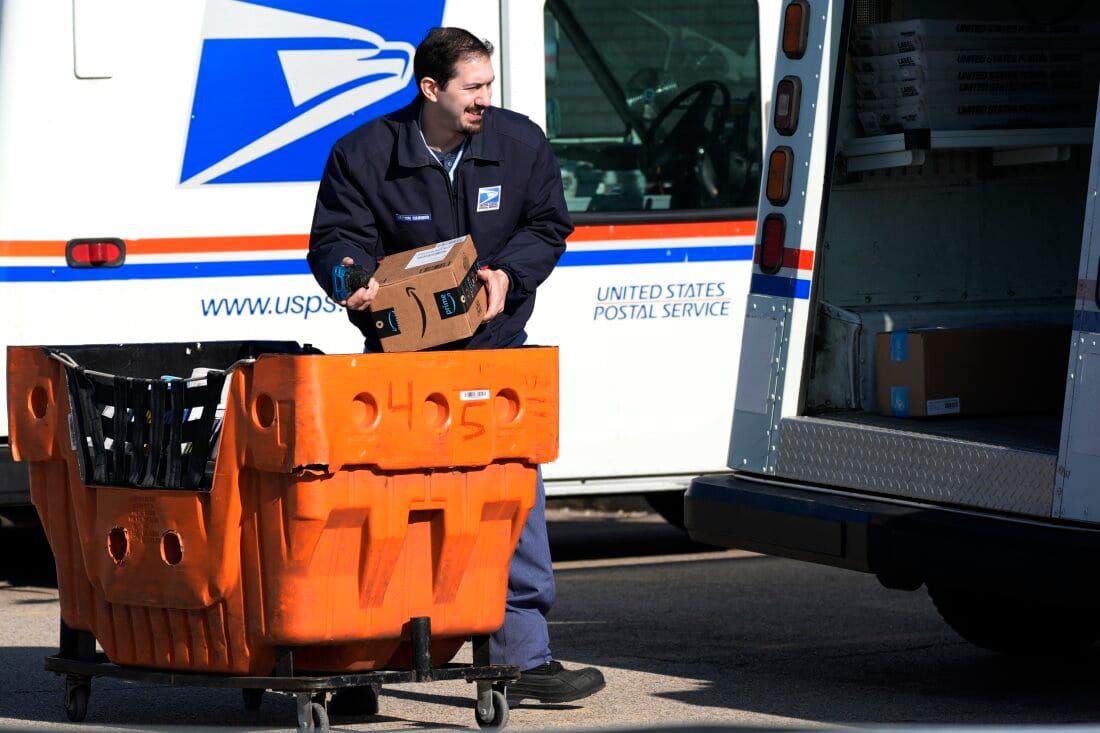
The United States Postal Service (USPS) has announced the temporary suspension of incoming packages from China and Hong Kong following the Trump administration’s move to close a trade loophole that allowed retailers such as Shein and Temu to ship low-value goods duty-free to American consumers. This decision is expected to significantly impact cross-border e-commerce and retail supply chains as businesses and consumers adjust to the new regulations.
Understanding the USPS Suspension
Tuesday, the Trump administration announced the implementation of 10% duties on Chinese products. This action marks a great milestone in shifting U.S.-China trade relationship. Among all changes, a new development was that the government terminated the so-called "de minimis" rule, by which shipments with less than $800 in customs duties and taxes were exempt. The closing of this loophole denied Chinese e-commerce giants from availing themselves of the duty-free access to the U.S. market.
USPS announced that the suspension only applies to parcels from China and Hong Kong, while the flow of letters and 'flats' – like magazines and documents—will remain unaffected. Yet, the agency made no such statement on whether this decision is in tandem with the administration's crackdown on de minimis shipments.
Impact on Retailers and Consumers
The de minimis provision has been crucial in allowing Chinese retailers to increase their market share in the U.S. The two largest e-commerce platforms relying on this rule are Shein and Temu. Shein and Temu alone account for more than 30% of all packages shipped to the U.S. under the de minimis rule, according to a report by the U.S. congressional committee on China published in June 2023. Half of all de minimis shipments to the U.S. come from China, highlighting the massive role that this exemption plays in cross-border e-commerce.
After the policy change, consumers will have to pay more for Chinese imports because of the newly introduced tariffs. This might force American shoppers to look for alternative retailers, such as domestic e-commerce platforms or other international suppliers that are still exempt from trade. Industry analysts believe that the suspension of packages from China and Hong Kong will cause major disruptions in supply chains and add to the operational burden on USPS.
Challenges USPS Faces in Implementing the Suspension
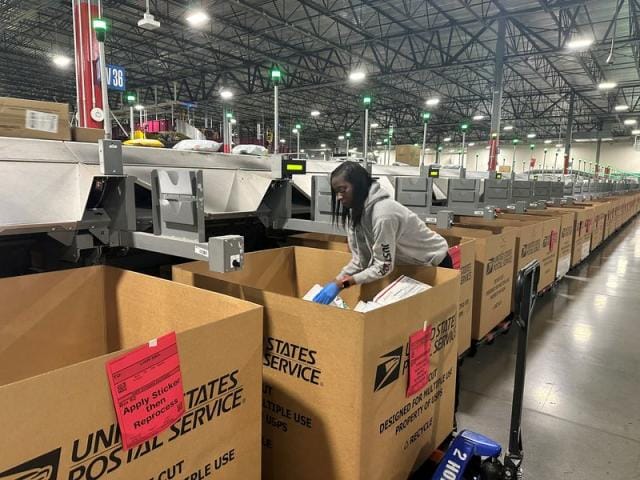
The sudden policy change has presented logistical challenges for USPS, which processes millions of international parcels daily. In 2024, an estimated 4 million de minimis packages entered the U.S. each day, making it an overwhelming task for USPS to check each package for compliance with new tariff rules.
According to Chelsey Tam, a senior equity analyst at Morningstar, USPS will need some time to come up with efficient mechanisms to allow the flow of new taxes before it resumes the inflow of Chinese shipments. The additional screening and increased customs enforcement may delay the processing of international mail and stretch the resources of USPS even further.
Can the Suspension Curb China's Dominance in E-commerce?
Whether the suspension will hugely impact Chinese e-commerce dominance in the US market remains a matter of disagreement from different gurus. With the de minimis exemption, low-cost items have been availed competitively from retailers like Shein and Temu, and demand is still high.
Niall van de Wouw, Chief Airfreight Officer at freight platform Xeneta, argued that consumer demand for Chinese goods is unlikely to decline sharply despite the new restrictions. “E-commerce volumes out of China grew 20-30% last year, so it’s going to take a sledgehammer to crack that level of consumer demand, and I’m not sure de minimis alone is enough,” he said.
Political and Economic Implications
The suspension of Chinese package shipments is part of a larger strategy to reduce U.S. reliance on Chinese imports. The Trump administration has long sought to reconfigure trade relations with China, citing concerns over intellectual property theft, unfair trade practices, and national security risks.
Critics, however, argue that the move may have unintended consequences for American businesses and consumers. Higher tariffs may push up prices, making it less affordable for millions of shoppers who rely on budget-friendly imports. Small businesses, which depend on low-cost supplies from China, may also find it difficult to absorb the added costs, thus becoming less competitive.
From a geopolitical perspective, the suspension may escalate tensions between Washington and Beijing, which may trigger retaliatory measures from China. If China restricts American exports or raises tariffs on U.S. goods, the trade war may intensify, further disrupting global supply chains.
How Retailers and Consumers Can Adapt
With the suspension in place, retailers and consumers must find alternative solutions to ensure access to affordable products. Some possible adjustments include:
Alternative Suppliers – Companies may switch their sourcing to producers in other countries that are still exempt from trade, such as Vietnam, India, or Mexico.
Price Adjustment Strategies – Retailers may have to raise prices to absorb the higher tariffs and offer discounts or promotions to maintain customers.
Domestic Production Expansion – Higher tariffs may spur domestic production, encouraging American companies to produce more goods locally and reduce reliance on Chinese imports.
Leverage Warehouse Fulfillment Centers – A few retailers might set up fulfillment centers in the U.S. or other duty-free zones to avoid customs delays.
Consumer Behavior Changes – Shoppers may start to prefer local and second-hand goods to avoid import-related costs.
Frequently Asked Questions (FAQs)
Why did USPS suspend incoming packages from China and Hong Kong?
The USPS stopped accepting these shipments after the Trump administration clamped down on the de minimis trade rule, which previously allowed shipments of goods less than $800 to enter the U.S. duty-free. The administration also imposed a 10% tariff on Chinese goods, making it more challenging for e-commerce retailers like Shein and Temu to continue shipping low-cost products to American consumers.
Will the suspension affect all shipments from China and Hong Kong?
No. The suspension only covers packages from China and Hong Kong. Letters, magazines, and all other "flats" will continue to arrive without any problems.
How long is the suspension expected to last?
USPS does not indicate how long it would take before sending packages again from China and Hong Kong. This suspension will most likely continue until USPS develops an efficient system in implementing the new tariff regulations.
How will this affect consumers in the U.S.?
Additional tariffs may drive up the cost of imported Chinese goods. Delayed shipping times, reduced products available, and higher costs which could be reflected to the buyer might be imposed on popular e-commerce sites Shein and Temu.
What other options do retailers and consumers have?
Retailers can source from other countries or produce more locally. Consumers can turn to buying locally produced goods or purchasing secondhand goods to avoid paying the expense of imports. Businesses can source from U.S.-based fulfillment centers in case international shipping halts.
Suspension of incoming packages from China by USPS marks a gigantic shift in US trade policy and has a great impact on e-commerce, global trade, and consumer behavior. Although this action is designed to limit the domination of online sales by China and protect American companies, it creates challenges: from supply chain interruptions to the prospect of price increases for consumers. As events develop, business people and shoppers must adapt to the rapidly shifting landscape of trade in order to innovate ways of operating under new rules.