US Doesn't Need Canadian Energy or Cars, Says Trump
President Donald Trump stated that the US does not need Canadian energy, vehicles, or lumber at the World Economic Forum, reiterating potential tariffs unless Canada agrees to stricter border security measures.


President Donald Trump of the United States boldly claimed at the World Economic Forum in Davos that the country no longer needs energy from Canada, nor its vehicles or lumber. The remarks, delivered via video link from Washington, D.C., rekindled trade tensions between the two neighbors, with Mr. Trump hinting at imposing tariffs on Canadian imports.
The statements made by Trump raised concerns among officials and business leaders of Canada, whose trade relationship has been substantial between the two nations. Canada is about 17 percent of US exports and is their second-largest trading partner, right after Mexico. This article tries to look at the implications, the state of US-Canada trade relations, and the eventual economic fallout on account of what Trump said.
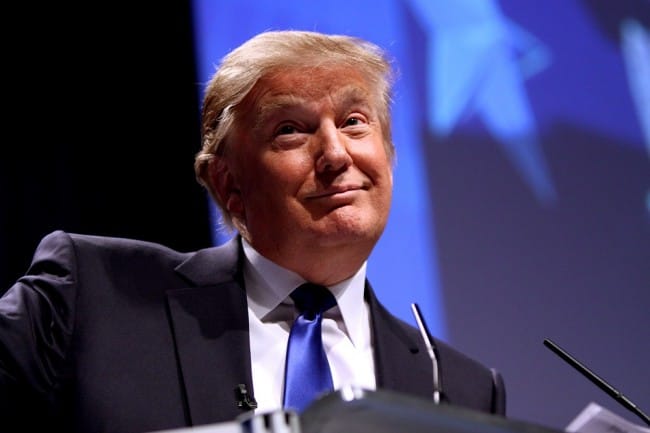
Trump's Tariff Threats
Trump repeated that the United States has a trade deficit with Canada, which he estimated to be between $200 billion and $250 billion, though official figures are at $45 billion in 2024. His threat of tariffs, up to 25%, could have severe economic consequences for both countries. The automobile and energy sectors are particularly vulnerable because they are highly integrated across North America.
Canada's Economic Response
Canada, on its part, has stated it would retaliate with countermeasures if the US imposes tariffs. Canadian Prime Minister Justin Trudeau has proposed a "dollar-for-dollar" response, likely imposing levies on US goods entering Canada. Trudeau reiterated that Canada prefers to avoid a trade war but will act to protect its industries.
The Importance of Canadian Energy to the US
Statistics indicate that despite the claim of the US not needing energy from Canada, the country still exports almost $170 billion worth of energy products to the US alone in 2024. As such, Canada is one of the main energy suppliers to North America. Supply chains are easily disrupted, which may reach and affect American consumers, should a country like Canada impose an embargo.
The Automotive Industry Cross Border Supply Chain
The automotive industry in North America is very interdependent. Auto parts cross the US, Canadian, and Mexican borders many times before final assembly. Trump's claim that the US can produce all its cars domestically disregards the efficiency and cost savings from this integrated system. Auto industry leaders have threatened that tariffs will increase vehicle prices and could potentially cost American jobs.
Border Security and Trade Tensions
Trump has bound the imposition of tariffs to border security issues, and thus, he claimed that Canada needs to tighten the border that they share with America to avoid trade penalties. To this condition, Canadians have complained that it is not the duty of economic agreements to solve security issues.
Canada's Diplomatic Strategy
In response, Canada has strengthened its lobbying posture in Washington, repositioning it as a country with a sound trade relationship and whose exports continue to play critical roles in guaranteeing US energy security and an active manufacturing capacity.

Economists Weigh In
Economists and trade analysts have warned that US consumers might bear the burden of tariffs. It would bring about higher prices and potential shortages of supplies. Analysts further add that the results of past trade disputes were mixed, as some of them ended up costly in retaliatory measures.
Trump revived economic tensions by commenting that the United States did not necessarily need Canadian energy, cars, or lumber. The US economy is powerful, but severing ties with Canada would be pricey. The following months will tell whether diplomacy or tariffs dominate as both nations handle these threats to trade.
FAQs
Why does Trump claim the US does not need Canadian energy and cars?
Trump believes that the US produces enough domestically and does not require imports from Canada. Economic data, however, implies otherwise, specifically in the energy and automotive sectors.
What percent of Canada's exports go to the US?
About 75% of Canadian exports are sent to the US, so trade with its southern neighbor is a big part of the Canadian economy.
What tariffs has Trump threatened to put on Canadian imports?
Trump has threatened to place tariffs of up to 25% on Canadian goods, including vehicles, lumber, and energy products.
How would retaliatory steps by Canada affect the United States?
Canada has threatened a "dollar-for-dollar" response which might mean higher prices for US consumers and even disrupt industries that depend on Canadian imports.
How is Canada avoiding tariffs?
Canada is appealing to US lawmakers and pointing out that Canada is a trustworthy trade partner. Prime Minister Trudeau said his country responds in fits and starts to any US tariffs while attempting to find diplomatic solutions.