US Considers Cutting De Minimis Tariff for China Shipments to $54–$120
The US may lower its de minimis tariff threshold for Chinese shipments from $800 to as low as $54, a move that could reshape US-China trade and affect e-commerce shoppers.

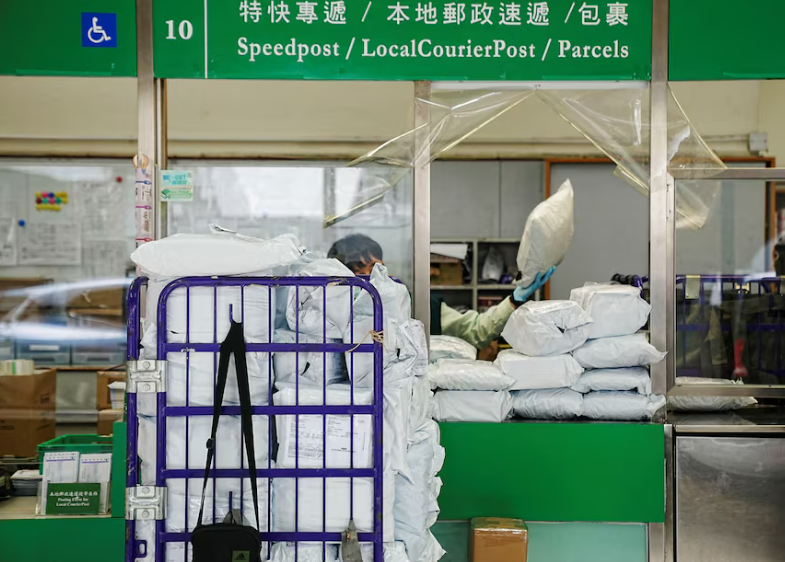
Washington, D.C. — May 13, 2025 — The United States is reportedly considering a significant reduction in its de minimis threshold for duty-free imports from China, potentially lowering it from the current $800 to the range of $54 to $120. This major policy shift, disclosed by sources familiar with ongoing trade discussions, could reshape e-commerce and cross-border shipments, while escalating tensions between the two economic superpowers.
US Trade Policy Shift Targets Chinese E-Commerce Imports
The Biden administration is weighing options to curtail the steady inflow of low-value shipments from China that currently evade tariffs under the United States' de minimis rule, Reuters first reported source. Under existing regulations, individual imports valued at $800 or less enter the US duty-free, a threshold set in 2016 and among the world’s most generous.
The administration’s review considers lowering the threshold for Chinese goods to an estimated range of $54 to $120. This would dramatically reduce the number of Chinese shipments eligible for tariff-free entry, potentially impacting billion-dollar e-commerce platforms such as Shein, Temu, and AliExpress.
Why Is the US Considering Lowering the De Minimis Threshold?
The move comes amid rising concern over the volume of small parcels entering the US from China. Critics say Chinese retailers are taking advantage of the $800 rule, allowing hundreds of millions of packages annually to bypass import duties and rigorous customs inspections.
A senior administration official, speaking on condition of anonymity, told Reuters: “The de minimis threshold is being abused, undermining fair competition for American businesses and workers.” The official said this consideration is part of a broader effort to “level the playing field” and respond to allegations of trade imbalances and unfair practices.
Impact on U.S. Consumers and E-Commerce
Reducing the de minimis threshold would have significant implications for both consumers and businesses. U.S. consumers who currently benefit from inexpensive, duty-free goods ordered online may see prices rise if the proposal moves forward.
According to the U.S. Customs and Border Protection, nearly 1 billion packages entered under the de minimis rule in 2023—triple the volume from a decade ago. Data from the National Retail Federation illustrates how online shopping platforms from China have grown their U.S. sales rapidly, in part due to current tariff exemptions.
E-commerce industry analysts warn the shift could bring new challenges. “This would complicate the logistics for online retailers and could deter some U.S. consumers from placing international orders,” said Jennifer Lee, senior analyst at eMarketer. “But it may encourage growth of domestic alternatives.”
Reactions from China and the Global Trade Community
Chinese authorities have expressed concern over what they see as growing U.S. protectionism. The Chinese Ministry of Commerce denounced similar proposals in the past as “discriminatory and detrimental to global trade flows.”
Industry associations argue that changes would disrupt supply chains and add administrative burdens for U.S. customs authorities. The U.S.-China Business Council noted in a statement: “Any abrupt shift must be carefully analyzed to avoid unintended consequences for American importers and small businesses reliant on global supply chains.”
Congressional and Political Context
Pressure has mounted in Congress to tighten de minimis rules as the U.S.–China trade rivalry intensifies. A bipartisan group of lawmakers recently introduced legislation aimed at imposing stricter limits on duty-free entry, specifically targeting Chinese shipments and citing concerns over intellectual property theft and product safety.
Senator Sherrod Brown (D-OH), a longtime trade hawk, applauded the administration’s consideration, stating that “the loophole in our de minimis policy has been exploited for too long, hurting workers in Ohio and across the country.”
However, some free trade advocates caution that tightening the rule could have broader economic repercussions, warning against stoking further escalation in U.S.–China trade tensions.
What Happens Next?
The administration has not finalized its recommendations, and sources say a public comment period will likely precede any official policy change. Any reduction below $800 would mark a significant departure from current practices and could trigger responses from major trade partners beyond China.
If enacted, the adjustment could go into effect as early as late 2025, with customs agencies preparing for major increases in package inspections and tariff collection on e-commerce imports.
Sources Used
Reuters: US may cut de minimis tariff for China to $54-$120
US Customs and Border Protection statistics (2023)
National Retail Federation data
Statements from the US-China Business Council
Congressional press releases and public comments