US Bans Chinese and Russian Tech in Cars Citing National Security Concerns
The United States has announced a significant ban on Chinese and Russian technology in passenger cars, citing critical national security threats. This decisive move marks a broader strategy to limit foreign influence in sensitive sectors.

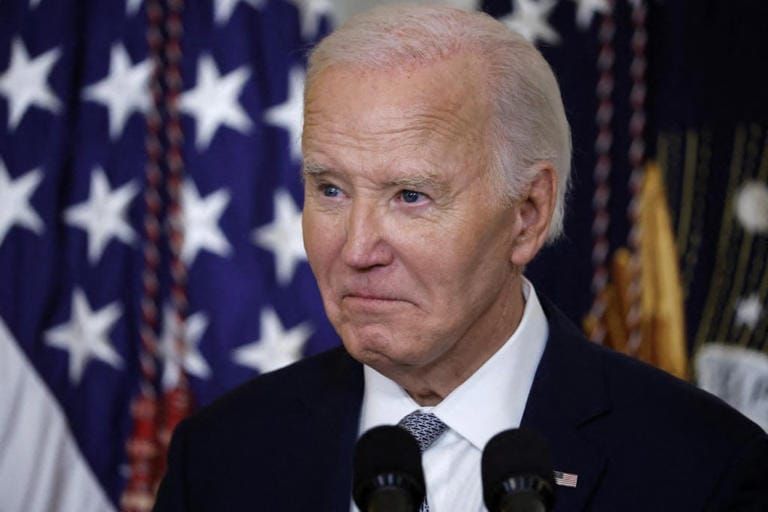
The automotive industry is undergoing a seismic shift as nations prioritize national security over cost-effectiveness in technology procurement. The United States’ recent prohibition of Chinese and Russian technology in passenger cars signifies a pivotal moment, reflecting growing geopolitical tensions and concerns about cybersecurity vulnerabilities.
Why the Ban?
National Security Concerns
The ban is based on fears that technology coming from China and Russia could be used for espionage or cyberattacks. Advanced systems in modern vehicles, including navigation, communication, and autonomous driving technologies, rely heavily on interconnected networks that are susceptible to interference.
Data Privacy Risks
Modern vehicles come with complex software that can record a huge amount of information regarding users, such as travel patterns, voice interactions, and personal preferences. U.S. intelligence agencies have raised the concern that such data may be accessed and used against the user by foreign governments.
Supply Chain Dependence
U.S. policymakers have long worried about the heavy dependence on foreign technology in key sectors. This is part of the larger drive to strengthen home-based supply chains and reduce dependence on potentially hostile nations.
Automotive Industry Impact
Challenges to Automakers
Supply Chain Restructuring
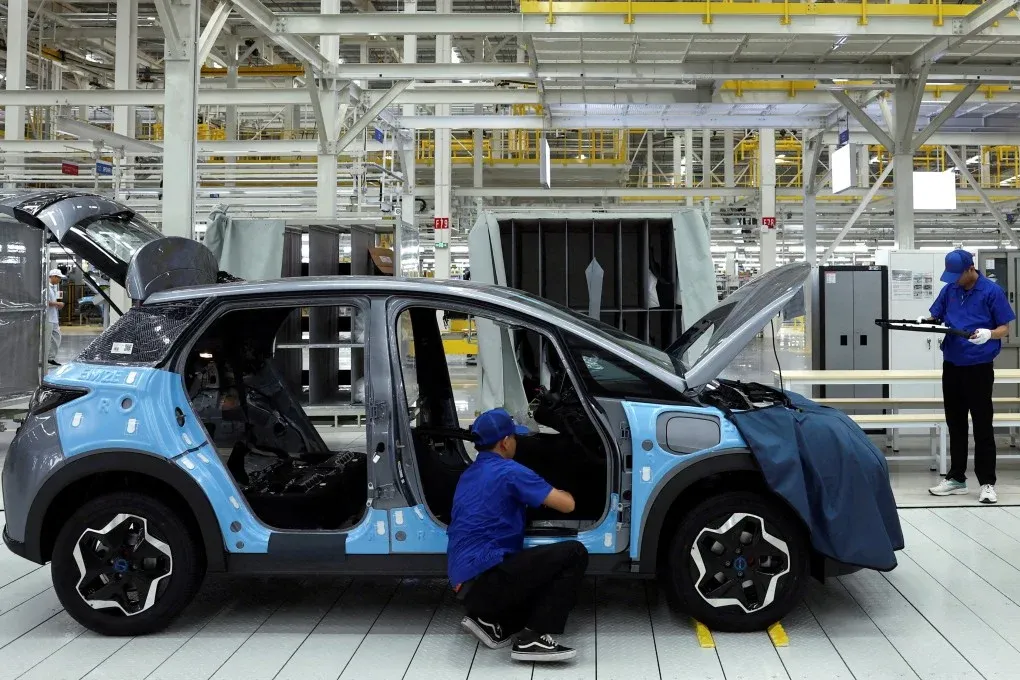
Automakers now must find substitute components that will pass the new restrictions, which can lead to increased cost and delayed manufacturing.
Compatibility Problem
Existing car models with limited technology may be recalled or significantly altered to meet the requirements of compliance.
Boost for Domestic Tech Firms
The policy opens up the opportunity for American technology companies to increase their market share in the automotive industry, promoting innovation and investment in secure technologies.
Geopolitical Reactions
China and Russia's Response
Both countries have condemned the ban, labeling the United States as a protectionist and playing into geopolitical tensions. Chinese and Russian officials claim that such measures are not based on real security threats but are politically motivated.
International Trade Relations
The ban may affect international trade relations and may lead to retaliatory actions or influence talks on other unrelated issues like climate change and global health.
Benefits of the Ban
Improved National Security
The U.S. is trying to strengthen its cyber security infrastructure by eliminating foreign technologies that may harbor vulnerabilities.
Economic Growth
Job creation, investment in the research and development sectors, etc., can come from the promotion of domestic technology.
Consumer Trust
Secure vehicle systems assure consumers that the safety and the privacy of data are maintained.
Criticisms and Concerns
Economic Impact on Automakers
The short term costs of implementation would be sky rocketing mainly for companies based on Chinese and Russian suppliers.
Innovation Suppression
Restrictions to certain technologies would delay innovation by reducing interaction and the flow of ideas on a global level.
Market Disturbance
It can easily disrupt the market of vehicles with its availability and price.
FAQs
What specific technologies is the ban imposed on?
This includes both hardware and software components coming from China and Russia; this targets essential components used for communication, navigation, and autonomous driving functions.
When is it to take effect?
It will be enforced in the next 12 months. There is also a transition period for car manufacturers to implement these regulations.
What's the impact on consumers?
It may add cost to the vehicles in the short run, but this ban promises to give the safest and most secure product in the long run.
Is there an exemption on the ban?
Some legacy systems may be temporarily exempted when alternative solutions cannot be immediately deployed; however, such exemptions will be watched closely.
How does this fit with larger U.S. policies?
This action fits with larger policies that aim at reducing reliance on foreign technology and protect critical infrastructure from possible threats.