US Allies, Adversaries Reject Trump's Proposal to 'Take Over' Gaza Strip
Trump’s proposal to take over Gaza faced global rejection, with U.S. allies and adversaries condemning it as unrealistic and a violation of Palestinian sovereignty, highlighting geopolitical tensions and diplomatic challenges.

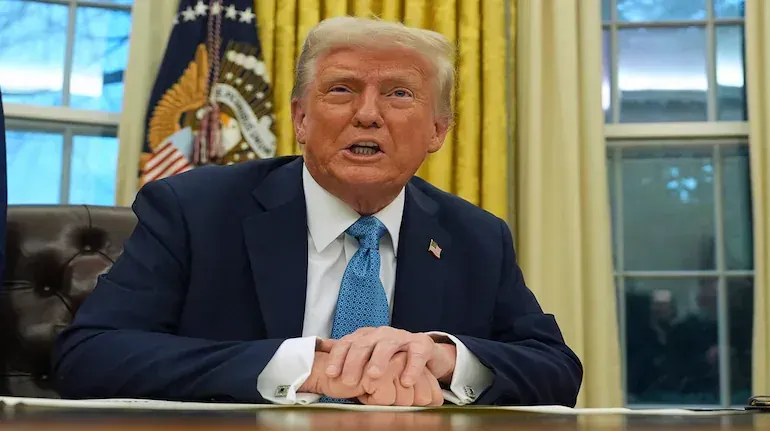
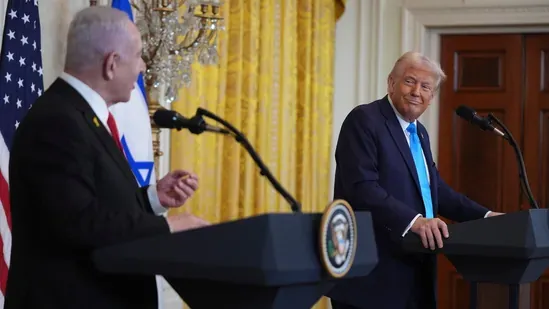
Former President Donald Trump's plan for the United States to annex the Gaza Strip and settle its Palestinian population permanently has sparked an immediate worldwide reaction. His idea, proposed at a White House news conference with Israeli Prime Minister Benjamin Netanyahu, was promptly rejected by America's friends and foes alike. The plan, which envisioned transforming Gaza into the "Riviera of the Middle East," was dismissed as unrealistic and inflammatory. This article explores the reactions from various international stakeholders and the broader implications of such a proposal.
Trump's Proposal: A Bold and Controversial Plan
During the news conference, Trump sketched an image of an America that would take control over Gaza, cleanse the area of explosive remnants of war, and level destroyed structures. He added an economic development plan to provide jobs. As part of the proposal, Palestinian residents would be transferred to new settlements outside of Gaza, a de facto change in the population dynamics of the area. Netanyahu neither publicly welcomed nor rejected Trump's statements.
Immediate Reactions: International Condemnations
Palestinian Response
Of course, Palestinian factions reacted with the strongest condemnations. The Palestinian Islamic Jihad movement condemned his comments as "racist" and promised to counter any efforts toward implementing such a plan. The ruling Hamas authority in Gaza rebuffed the concept as a direct attack on the sovereignty and rights of the Palestinians. The West Bank's ruling Palestinian Authority alleged that Trump aimed to eliminate the Palestinian identity and sabotage the principle of an independent Palestinian state since its inception decades ago.
U.S. Allies Reject the Plan
European Union: European leaders quickly dismissed the plan, reiterating that a two-state solution was necessary. The EU's foreign policy chief said that any attempt to change Gaza's governance without Palestinian consent would be "deeply destabilizing."
United Nations: The UN Secretary-General denounced Trump’s suggestion, reaffirming that Gaza is internationally recognized as Palestinian territory. He warned that any external takeover would violate international law and exacerbate regional tensions.
Egypt and Jordan: Egypt, a long-time bordering country with Gaza and has historically played a mediating role in ceasefire negotiations, rejected the Trump plan outright. Cairo reconfirmed its commitment to Palestinian self-determination. King Abdullah II of Jordan deemed the proposal "unacceptable," while emphasizing that the resettlement of Palestinians outside of their homeland is not an alternative solution.
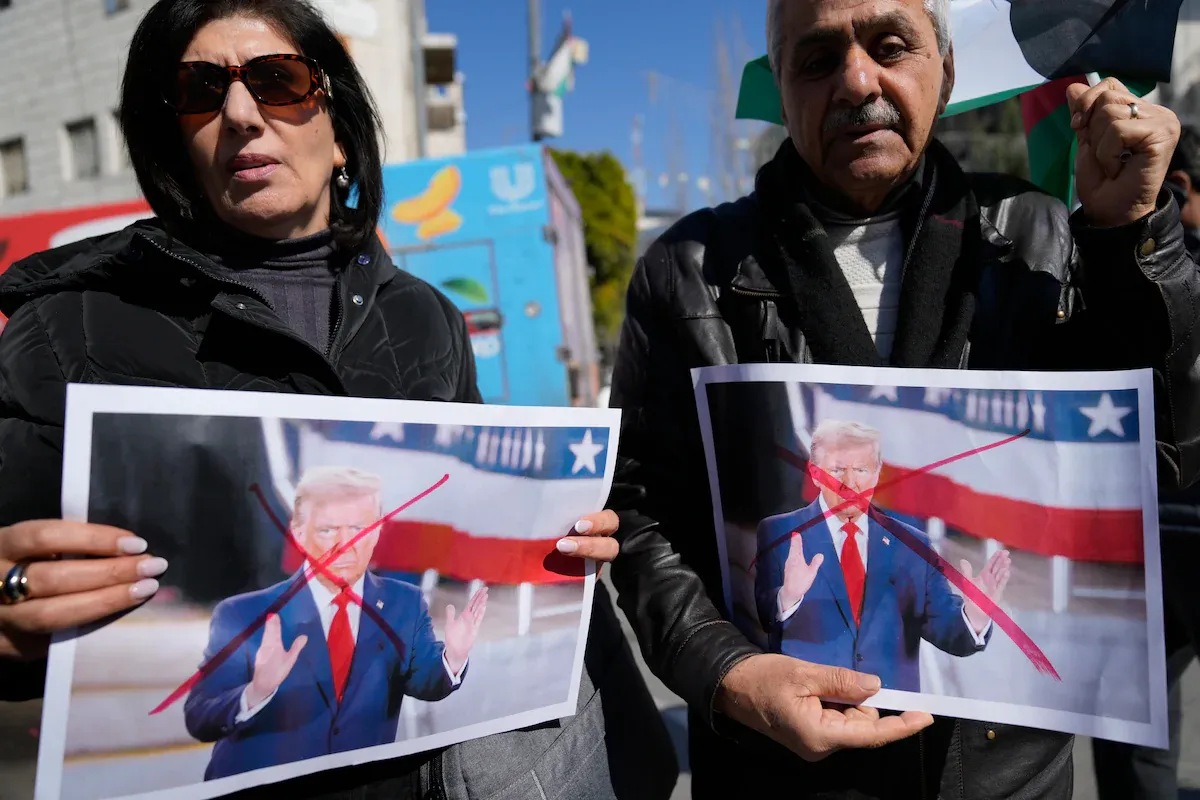
Iran: The leadership of Iran opposed the comments of Trump sternly, stating them as an imperialist act to further alienate Palestinians. The Iranian government blamed the United States for its strategic interests and efforts to transform the Middle East.
Russia and China: Moscow and Beijing also criticized the move and called it a reckless interference that would only heighten the flames of fire across the region. Russian President Vladimir Putin was adamant on finding diplomatic solutions instead of unilateral moves.
Implications for U.S. Foreign Policy
While Trump's plan is not likely to materialize, his plan represents continuing U.S. engagement in the Israeli-Palestinian conflict. However, the backlash speaks volumes about the risks of unilateral policy-making. Rejection by friends, including close U.S. allies, raises deeper questions over Washington's ability to credibly negotiate peace. The fierce objection from enemies, such as Iran and Russia, also serves as a reminder of the regional politics at play.
Trump's idea of "taking over" Gaza was met with overwhelming opposition from both allies and adversaries. It not only disrespected Palestinian sovereignty but paid no attention to the intricate geopolitical realities of that region. In the future, the U.S. will have to take a more balanced approach to life by respecting international norms and finding diplomatically authentic solutions instead of trying to take things unilaterally.
Frequently Asked Questions (FAQs)
Why did Trump suggest to take over Gaza?
Trump proposed U.S. rule over Gaza as a plan to clear debris, unexploded ordnance, and open economic opportunities. His dream was to make the region an economic center, but his proposal was generally criticized as impossible and a Palestinian sovereignty infringement.
What was Israel's reaction to the Trump plan?
Israeli Prime Minister Benjamin Netanyahu didn't explicitly adopt or negate the plan during the speech. However, Israel is still focused on the security issue and handling the situation with Gaza rather than suggesting U.S. occupation.
How did Palestinians react to Trump's plan?
The Palestinian factions opposed it with hammer and tongs. These included Hamas, the Palestinian Authority, and finally, the Palestinian Islamic Jihad. They saw it as an attempt to liquidate all Palestinian identity and sovereignty.
What did the international community say?
The European Union, United Nations rejected it, as did many other nations, including Egypt, Jordan, Iran, Russia, and China. All these powers said it was in violation of international law and would destabilize the region.
Is there any hope for this plan to be implemented?
Considering the strong opposition from both allies and adversaries, it is highly unlikely that Trump's proposal will ever materialize. The international community remains committed to diplomatic solutions that respect Palestinian self-determination and existing peace efforts.