Judge Halts Homeless Camp Sweep Ahead of New Orleans Taylor Swift Shows, Sparking Debate


As New Orleans gears up for one of the most anticipated events of the year—the arrival of Taylor Swift's Eras Tour—a local judge has intervened in a controversial city plan to clear homeless encampments near the concert venues. This decision has stirred up strong opinions across the city, as Swift’s concert brings a massive influx of fans and visitors, intensifying the spotlight on New Orleans' ongoing homelessness crisis.
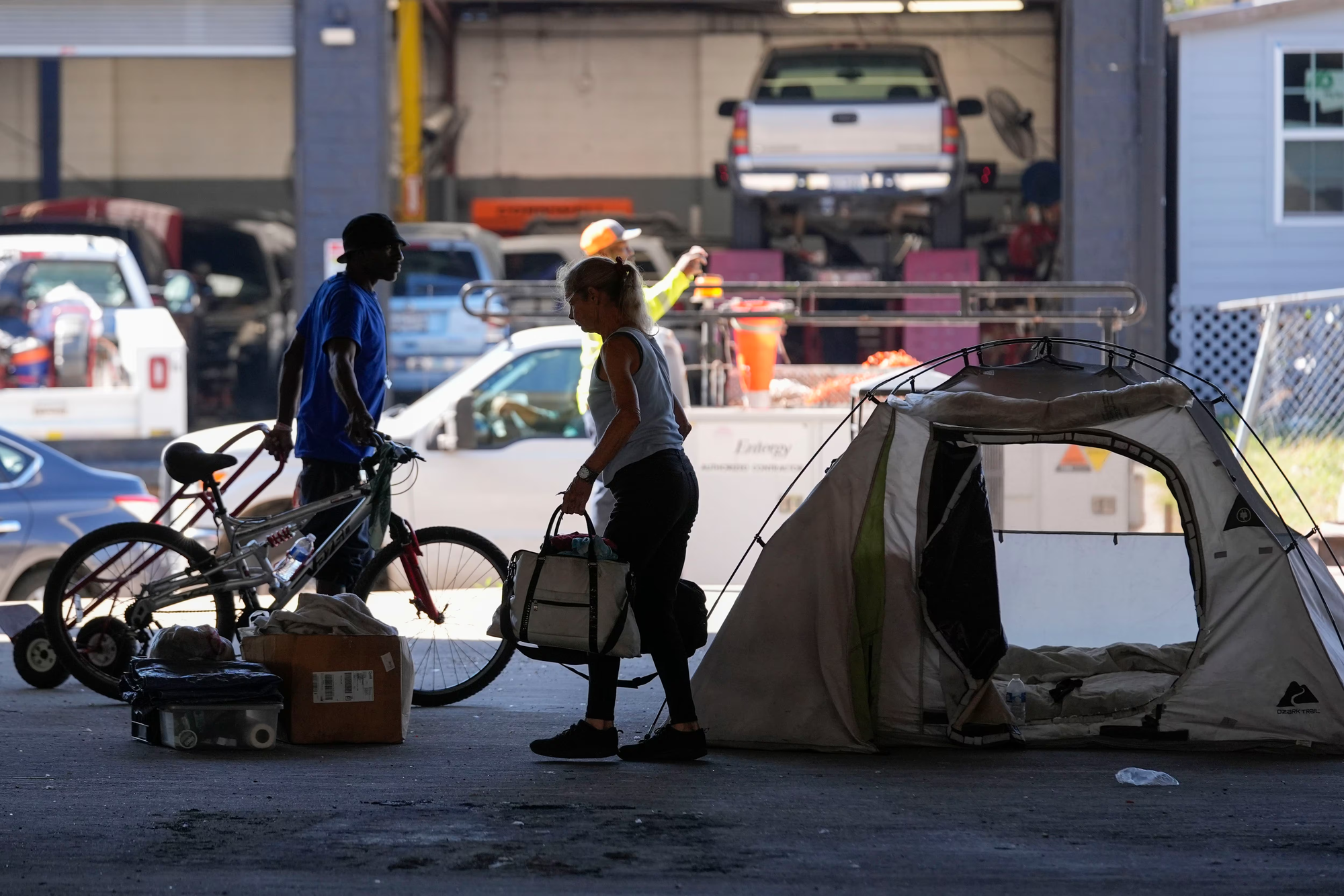
A Block on Sweeps and Rising Tensions
With Swift’s concerts set to attract tens of thousands, New Orleans city officials had initially planned to clear homeless encampments around the Caesar’s Superdome and other popular sites. City leaders argued that these measures were meant to ensure public safety and manage foot traffic around the area, but advocates for the homeless quickly voiced their concerns, labeling the sweeps as an attempt to "hide" homelessness rather than address it meaningfully.
In response to the city’s planned sweeps, advocates filed a lawsuit claiming the action was inhumane and violated the rights of individuals experiencing homelessness. They argued that pushing people out of one area without providing alternative housing only deepens their struggle and reinforces the city’s lack of permanent solutions. This week, a New Orleans judge sided with the advocates, temporarily halting the city’s efforts to clear camps until a thorough hearing can take place.

A Growing Crisis Under a National Spotlight
With the court’s decision, New Orleans’ homelessness issue is now in the spotlight, intensified by the buzz surrounding Taylor Swift's shows. Known for drawing fans from across the country, Swift's concerts have already brought a boost to New Orleans’ economy, from sold-out hotels to bustling local businesses. However, the arrival of thousands of visitors also underscores the city’s struggle to provide adequate housing for its vulnerable populations.
New Orleans, like many U.S. cities, has faced an increase in homelessness in recent years, exacerbated by rising rents, limited affordable housing, and the economic impacts of COVID-19. According to the latest data, the city has seen a 15% increase in its homeless population over the past two years, with encampments becoming more visible in public spaces. Advocates argue that without proper resources, attempts to simply “clean up” areas by removing encampments are not sustainable solutions and do little to address the root causes of homelessness.
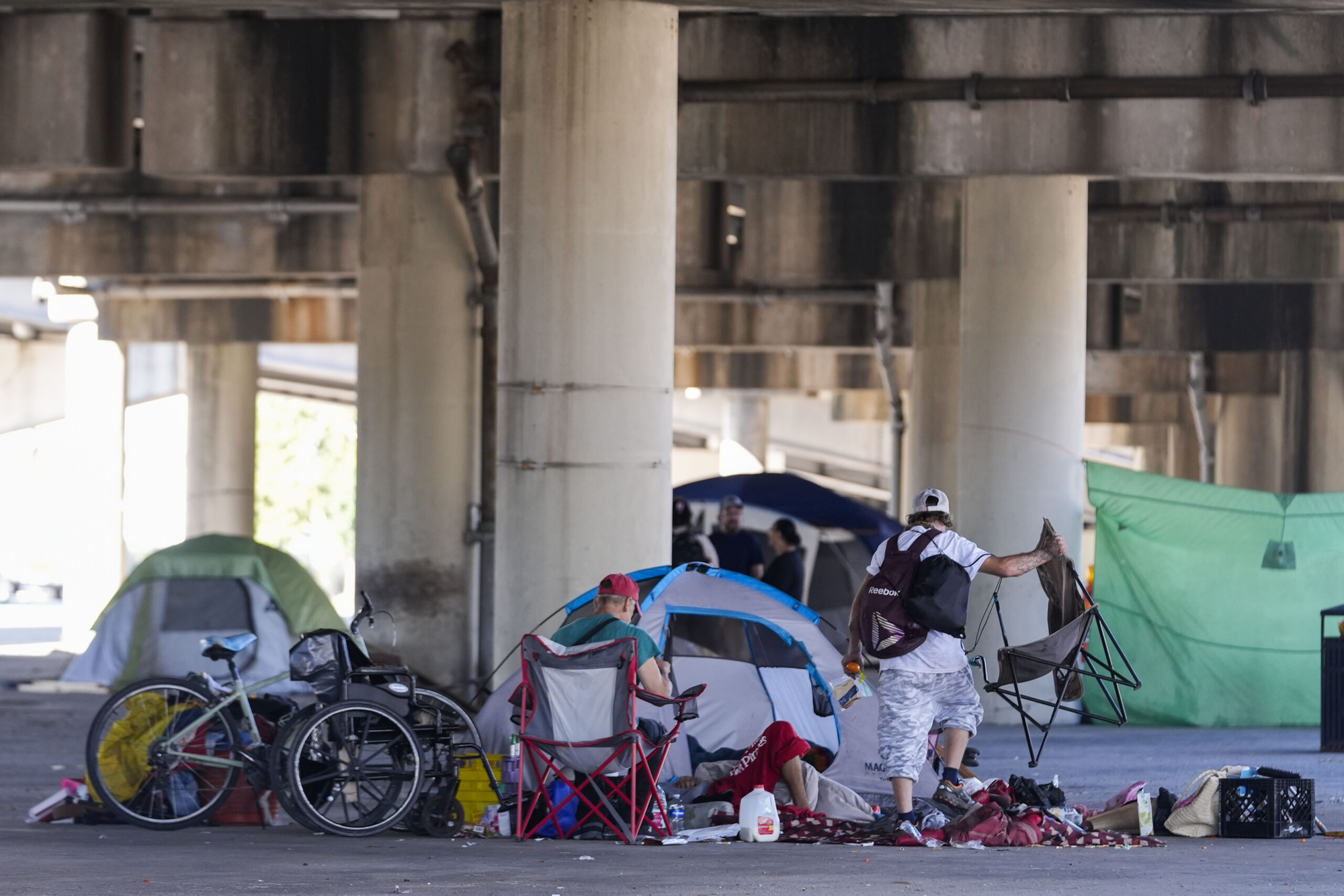
Fans Weigh In on Social Media
Swift’s fan base, known for its active presence on social media, has also taken notice of the situation. Many fans have shown support for the judge’s ruling, expressing sympathy for the homeless community and calling on the city to prioritize compassion over aesthetics. “Swifties” from around the country have used social platforms to call on local leaders to do more than just remove camps, encouraging them to offer real resources and support to those in need.
One fan wrote on Twitter, “It’s not enough to sweep homelessness under the rug. New Orleans, let’s find real solutions!” Others have highlighted Swift’s known philanthropy and compassion, suggesting she might also be supportive of efforts to aid the homeless.

A Need for Lasting Solutions
As New Orleans prepares to host Swift's Eras Tour, the judge's decision has fueled debate on the city's long-term strategy for homelessness. Advocates are now pushing for solutions like increased shelters, mental health services, and job training programs to support those in need, rather than temporary measures.
The temporary halt on camp sweeps may be just that—temporary. But for now, the spotlight on New Orleans offers a unique opportunity for city leaders, fans, and advocates to raise awareness and call for meaningful action. While Swift’s shows will be a highlight for the city, the ongoing conversation surrounding homelessness may prove even more impactful, with hopes that the judge's decision will prompt New Orleans to prioritize long-term changes over short-term fixes.