UnitedHealth Group Posts Mixed Q4 Earnings; Shares Slide Sharply

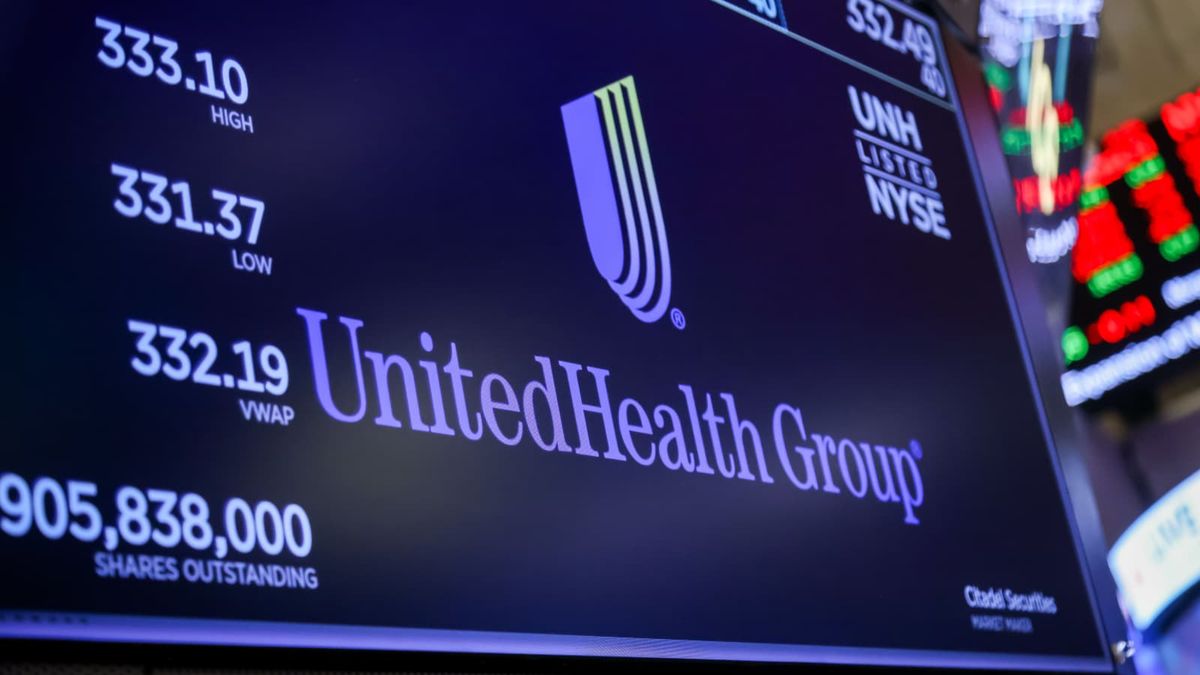
UnitedHealth Group (NYSE: UNH) reported its financial results for the fourth quarter and full year 2025 on Tuesday, delivering a mixed set of numbers that triggered a notable market reaction. While the largest U.S. health insurer managed to deliver revenue growth and an earnings beat on an adjusted basis, softer top-line results and cautious 2026 guidance weighed on investor sentiment, sending the company’s stock lower.
Revenue Growth, Earnings Beat — and a Reality Check
For the quarter ending December 31, 2025, UnitedHealth reported total revenues of about $113.2 billion, a roughly 12 percent increase from the prior year. That expansion reflected continued demand across its health insurance and services businesses, including growth in the UnitedHealthcare and Optum segments.
Adjusted earnings per share (EPS) of $2.11 narrowly beat analyst expectations — 0.83 percent above the Zacks consensus of $2.09. That result marked a modest upside on the bottom line, but it also represented a year-over-year decline from stronger profits in the prior period.
Despite the earnings beat, the revenue figure slightly missed analyst forecasts, and the broader profitability picture showed strain as net income shrank significantly compared with the year-ago period. According to independent reporting, earnings from operations were down sharply, contributing to a challenging comparison with prior results.
Steep Drop in GAAP Profit Reflects Underlying Challenges
Under Generally Accepted Accounting Principles (GAAP), UnitedHealth’s quarterly profit fell dramatically, shrinking to roughly $10 million compared with more than $5 billion in the same period a year earlier. Adjusted earnings provide a clearer picture of ongoing operations, but the stark contrast in GAAP profit underscores the impact of special items and cost pressures during the quarter.
The company’s full-year 2025 results also reflected headwinds, with net earnings decreasing about 41 percent year-over-year, even as total revenue climbed roughly 12 percent to about $447.6 billion.
Outlook for 2026 Beats on EPS but Revenue Guidance Trails
Along with its quarterly results, UnitedHealth issued its financial outlook for the full year 2026. Management forecast adjusted earnings of at least $17.75 per share and revenues exceeding $439 billion. On the surface, the outlook maintained earnings strength, but the revenue projection was below many Wall Street analysts’ forecasts, which had called for a higher top-line figure.
This guidance suggested that UnitedHealth expects to navigate ongoing cost and utilization pressures by focusing on operating efficiency and segment growth, but the comparatively modest revenue target highlighted uncertainty around market conditions and policy-driven reimbursement rates.
Stock Market Reaction: Heavy Selling Pressure
Investors reacted swiftly and negatively to the earnings report and outlook. Reports from market sources indicate that UnitedHealth’s stock plunged sharply, with pre-market sessions showing declines of 15 percent or more and broader healthcare insurers also feeling pressure. Elevated medical costs, a higher medical care cost ratio, and uncertainty around government reimbursement rates — particularly for Medicare Advantage plans — contributed to the sell-off.
While the firm beat earnings on an adjusted basis, the combination of a topline miss, high operating costs, and a cautious revenue forecast weighed on sentiment. Analysts noted that profit margins have been squeezed by rising medical expenses and shifting payer dynamics, trends that are likely to persist in the near term.
Segment Performance Reflects a Mixed Business Picture
UnitedHealth’s core businesses showed divergent trends in the quarter. The UnitedHealthcare segment reported solid membership gains and revenue growth, with commercial insurance and government-subsidized plans contributing to top-line expansion. Meanwhile, Optum Rx, the company’s pharmacy benefits arm, delivered stronger revenue performance within the Optum services platform, helping underpin the adjusted earnings beat.
However, higher medical costs, declines in certain membership categories such as Medicare Advantage and Medicaid, and increased utilization of services weighed on overall profitability. Management acknowledged these trends on the earnings call and emphasized initiatives aimed at cost containment and operational efficiency through technology and targeted pricing strategies.
Broader Sector Pressures Add to Investor Concerns
UnitedHealth’s mixed earnings report comes amid broader pressures facing the U.S. health insurance sector. Regulatory developments — including proposed Medicare payment rate changes — have unsettled the landscape for insurers that rely heavily on government-linked reimbursement models. Reports show that modest increases in Medicare Advantage payment rates have sparked concerns that insurers will face tighter margins and heightened cost management challenges in 2026 and beyond.
These sector-wide dynamics, when paired with UnitedHealth’s own cautious guidance, amplified investor concerns about future growth potential and margin sustainability.