Understanding the 14th Amendment and Its Application to Birthright Citizenship
The 14th Amendment guarantees birthright citizenship to individuals born on U.S. soil, regardless of their parents' immigration status. President Trump’s executive order seeks to challenge this constitutional provision, sparking legal and political debate.

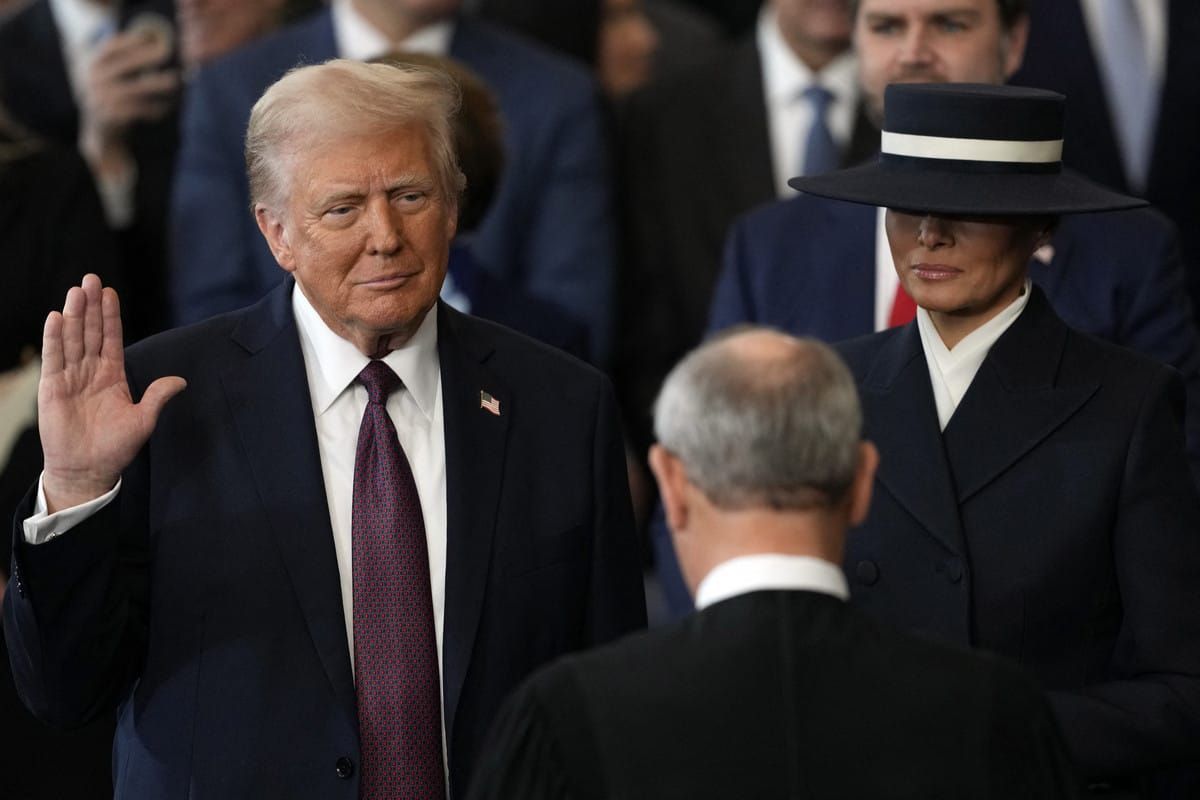
The 14th Amendment to the U.S. Constitution is one of the most consequential amendments in American history. Ratified in 1868, it was primarily designed to grant citizenship and equal protection under the law to formerly enslaved individuals. However, its provisions extend far beyond that, particularly in shaping modern immigration law. One of its most debated aspects is birthright citizenship, which ensures that anyone born on U.S. soil automatically acquires American citizenship. Recently, former President Donald Trump has reignited controversy by issuing an executive order aiming to challenge this long-standing principle. This article explores the 14th Amendment, its historical and legal interpretations, and the implications of Trump’s executive order.
The 14th Amendment: A Historical Overview
The 14th Amendment was introduced after the Civil War as part of the Reconstruction Amendments. It comprises several critical provisions, including:
Citizenship Clause: “All persons born or naturalized in the United States, and subject to the jurisdiction thereof, are citizens of the United States and of the state wherein they reside.”
Due Process Clause: Prohibiting states from depriving any person of life, liberty, or property without due process of law.
Equal Protection Clause: States must treat all citizens equally under the law.
The Citizenship Clause was especially significant in reversing the Supreme Court's 1857 Dred Scott decision, which had stripped African Americans of their citizenship. It is now the basis for birthright citizenship in the United States.
Birthright Citizenship and Its Legal Interpretations
The meaning of the Citizenship Clause has been determined in several Supreme Court decisions:
United States v. Wong Kim Ark (1898): The Supreme Court ruled that a child born in the U.S. to non-citizen parents is a citizen, reinforcing the principle of jus soli (right of the soil).
Plyler v. Doe (1982): Although not directly addressing citizenship, this case affirmed that non-citizen children are entitled to equal protection under the law.
Legal scholars widely agree that birthright citizenship applies to children born in the U.S., regardless of their parents’ immigration status, unless they are foreign diplomats or enemy combatants.
Trump’s Executive Order and Its Legal Challenges
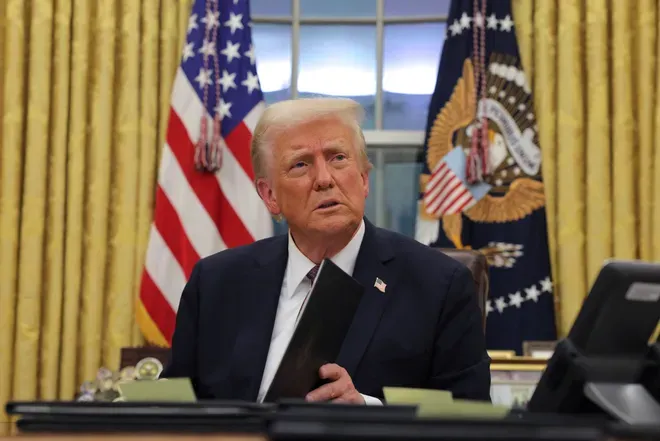
On his first day of his second term, President Donald Trump issued an executive order declaring that the federal government would no longer recognize birthright citizenship for children of undocumented immigrants. The order aligns with Trump’s previous campaign promise to tighten immigration policies and reduce illegal migration.
Trump’s statement emphasized:
Birthright citizenship should not be granted to children of individuals who entered the country illegally.
The executive branch has the authority to reinterpret the 14th Amendment’s Citizenship Clause.
Enhanced vetting and deportation measures will accompany the policy.
However, the executive order contradicts over a century of legal precedent and is expected to face immediate legal challenges. Constitutional scholars argue that only a constitutional amendment or a Supreme Court ruling could alter birthright citizenship.
The Global Perspective on Birthright Citizenship
Trump has falsely said that the United States is the only country to confer birthright citizenship. More than 30 countries grant birthright citizenship, according to a Law Library of Congress report, including Canada, Mexico, and Brazil. Although some European and Asian nations have adopted jus sanguinis (citizenship by bloodline), the practice of birthright citizenship continues to be the norm in the Western Hemisphere.
Consequences of Ending Birthright Citizenship
If Trump’s executive order is upheld, it could have far-reaching consequences:
Legal Uncertainty: Children born to undocumented parents could become stateless, leading to complex legal disputes.
Challenges for Immigration Policy: Immigration enforcement agencies would need to determine citizenship eligibility, creating bureaucratic hurdles.
Economic and Social Impact: The U.S. workforce relies heavily on immigrants. Reducing birthright citizenship could impact demographic trends and labor markets.
Potential Supreme Court Battle: Legal experts predict that the case could reach the Supreme Court, setting a major precedent for future immigration law.
The 14th Amendment has been a cornerstone of American democracy, ensuring equal rights and protections. Trump’s executive order challenging birthright citizenship is a significant departure from established legal principles and will likely face intense legal and political battles. As the debate unfolds, the future of birthright citizenship in the U.S. remains uncertain.
FAQs
What is the purpose of the 14th Amendment?
The 14th Amendment was ratified to make freed slaves citizens and ensure all people born or naturalized in the United States were treated equally under the law.
Is there birthright citizenship for children of undocumented immigrants?
Yes. As matters stand now in terms of interpretations, the 14th Amendment automatically grants all persons born within the borders of the U.S. citizenship. Their parents could be undocumented; it doesn't matter.
Is it possible that an executive order can abrogate birthright citizenship?
No. Birthright citizenship is constitutionally entrenched, and a constitutional amendment or a Supreme Court decision would be needed to change it.
How many countries offer birthright citizenship?
More than 30 countries, including Canada, Brazil, and Mexico, grant birthright citizenship.
What are the possible legal challenges to Trump's executive order?
Legal challenges will likely argue that the order violates the 14th Amendment and established Supreme Court precedents, potentially leading to a Supreme Court ruling on the matter.