UAE Lifts Partial Ban on Individual Drone Use Starting January 7
The UAE has lifted the ban partially on individual drone use, effective January 7, 2025, and now allows individuals to fly drones under certain safety conditions.

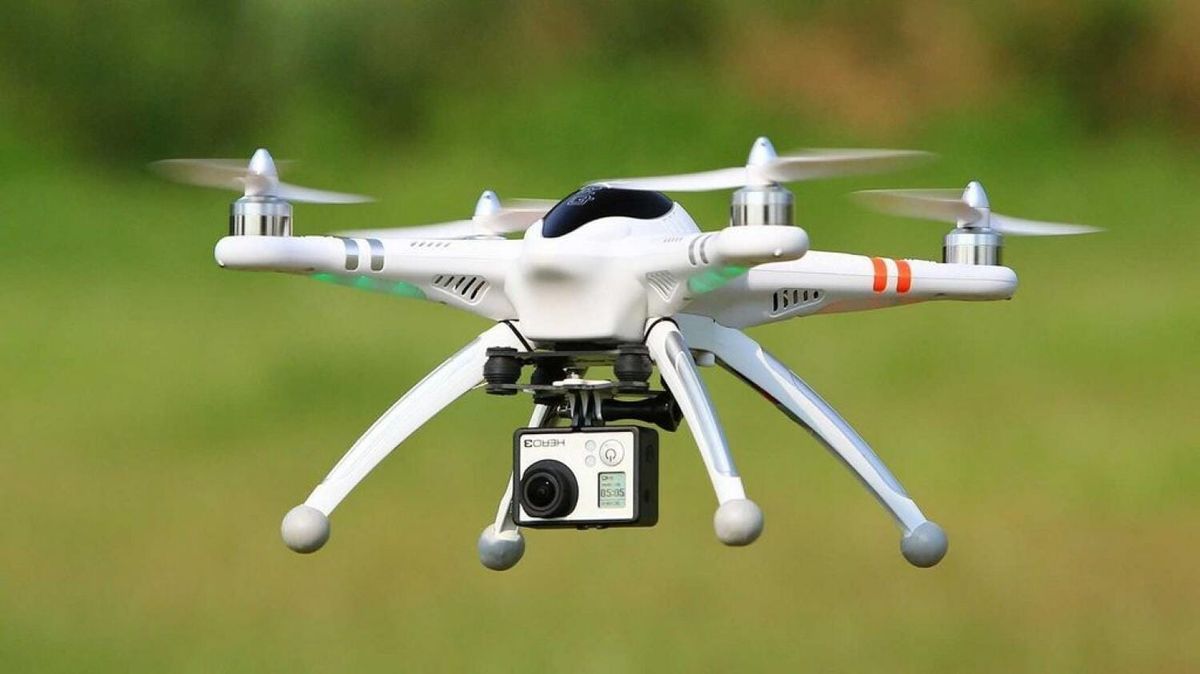
The Ministry of Interior (MoI) and the General Civil Aviation Authority (GCAA) announced a significant policy change for drone enthusiasts and operators in the UAE. Starting January 7, 2025, the partial lifting of the ban on individual drone use has come into effect. This move aligns with the UAE’s strategic goals under its "We the UAE 2031" vision, promoting innovation while maintaining public safety and airspace security.
Background of the Ban
In 2022, the UAE introduced a comprehensive ban on the use of drones and light sports aircraft by individuals due to safety concerns and instances of misuse. The restrictions were aimed at preventing unauthorized or potentially harmful drone activities that could pose risks to both residents and infrastructure.
However, advancements in drone technology and its increasing utility across sectors have prompted authorities to reconsider the policy. The revised framework reflects a balance between enabling technological growth and ensuring public safety.
Phased Rollout of Drone Regulations
The partial lifting of the drone ban is part of a phased implementation strategy.
Phase One (November 25, 2024):
Initially, drone operations were restricted to companies and government agencies for specific purposes such as surveying, delivery, and public service projects.
Phase Two (January 7, 2025):
Individuals are now allowed to operate drones under specific conditions, including registration and compliance with safety protocols.
Future Phases:
Authorities plan to introduce additional services for drone enthusiasts, including amateur flying activities and broader recreational uses. These developments will be closely monitored and regulated.
Guidelines and Requirements for Drone Use
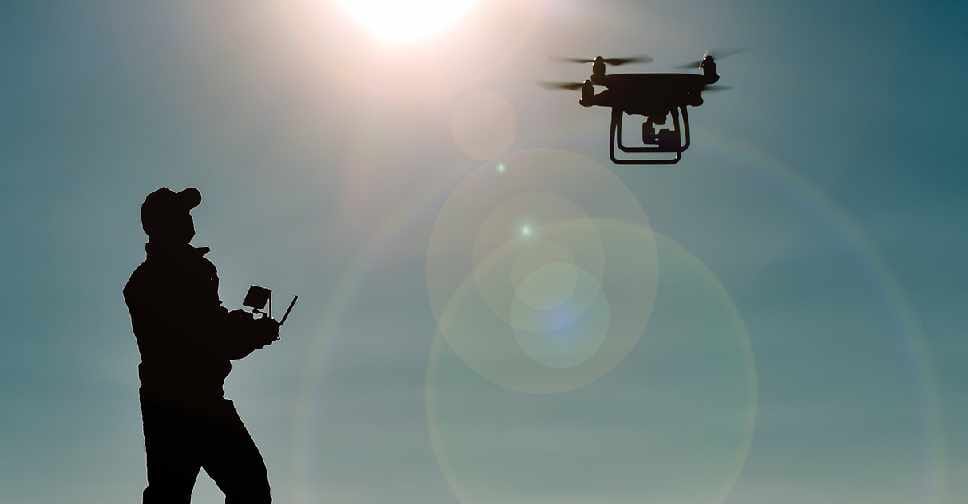
To ensure the safe and responsible operation of drones, the UAE government has established detailed guidelines accessible through the UAE Drones app and the official website drones.gov.ae. Key requirements include:
Registration and Licensing:
All drone operators must register their drones through the UAE Drones app or the GCAA website. Licenses may be required for certain types of drone activities.
Safety Compliance:
Drone users must adhere to specified safety standards, including no-fly zones, altitude limits, and distance restrictions from populated areas and sensitive sites.
Training and Certification:
Operators may need to complete training programs approved by the GCAA, particularly for advanced drone models or commercial activities.
Usage Permissions:
Individuals must seek prior approval for specific drone activities, especially for photography, videography, or operations near public events.
National Platform for Drone Operations
The National Authority for Emergency, Crisis, and Disaster Management (NCEMA) has launched a unified national platform to oversee and regulate drone operations. This platform facilitates:
Monitoring drone activities to ensure compliance with regulations.
Issuing alerts and updates regarding airspace restrictions.
Providing operators with access to real-time guidelines.
Significance of the Policy Change
The decision to partially lift the ban underscores the UAE's commitment to fostering innovation and technological advancements while maintaining public safety. Key benefits include:
Boosting the Economy:
Expanding drone use to individuals opens opportunities in fields like aerial photography, recreational activities, and technological innovation.
Enhancing Quality of Life:
By aligning with the "We the UAE 2031" vision, the new drone policy supports community engagement and innovation-driven initiatives.
Strengthening Safety Protocols:
The structured regulatory framework ensures that drone use does not compromise the safety of residents or critical infrastructure.
Challenges and Mitigation Measures
While the policy change offers significant advantages, challenges such as misuse, airspace violations, and privacy concerns remain. Authorities have introduced several measures to address these issues:
Strict penalties for violations, including unauthorized use or breaching restricted zones.
Advanced monitoring systems to detect and deter illegal drone activities.
Public awareness campaigns to educate individuals about their responsibilities as drone operators.
Looking Ahead
The phased rollout of drone regulations represents a progressive step for the UAE. Authorities are expected to expand permissible uses in future phases while continuing to refine safety protocols. With drones playing an increasingly prominent role in industries like logistics, agriculture, and entertainment, the UAE is well-positioned to lead innovation in this space.
FAQs
What types of drones are allowed under the new policy?
Individuals can operate recreational and non-commercial drones, provided they meet safety requirements and are registered with the relevant authorities.
Are there any restrictions on where drones can be flown?
Yes, drones are prohibited in no-fly zones such as near airports, military installations, and densely populated areas. A comprehensive map of restricted zones is available on the UAE Drones app.
Do I need a license to operate a drone in the UAE?
For most recreational purposes, a license may not be required, but registration is mandatory. Advanced operations or commercial use may require additional certifications.
How can I register my drone?
Drones can be registered through the UAE Drones app or the official government website drones.gov.ae.
What are the penalties for violating drone regulations?
Penalties include fines, confiscation of equipment, and potential legal action depending on the severity of the violation.
This policy marks a pivotal moment in the UAE’s journey toward embracing cutting-edge technologies while ensuring public safety and security.