U.S. Doubles Bounty on Nicolás Maduro to $50 Million

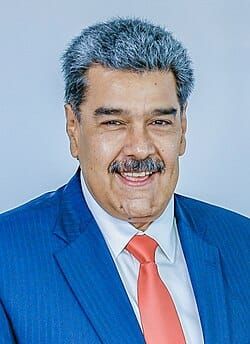
The United States has doubled its reward to $50 million for any information leading to the arrest or conviction of Venezuelan President Nicolás Maduro. This comes amid longstanding allegations that Maduro has ties to narco-trafficking and terrorist organizations. U.S. Attorney General Pam Bondi announced the increase on August 7, 2025 — up from the previous $25 million set earlier this year.
Accusations and Alleged Criminal Networks
Bondi accused Maduro of leading one of the world’s largest drug trafficking operations, alleging that he collaborates with groups like the “Cartel of the Suns,” the Tren de Aragua, and Mexico’s Sinaloa Cartel. These groups are said to traffic fentanyl-laced cocaine into the United States.
The U.S. Department of Justice also revealed that the DEA has seized over 30 metric tons of cocaine linked to Maduro and his associates — about seven tons traced directly to him. Authorities have additionally frozen over $700 million in assets, including private jets and luxury vehicles.
Legal Background and Symbolic Significance
Maduro was indicted by U.S. federal prosecutors in Manhattan in 2020, facing charges of narco-terrorism and conspiracy to import cocaine. At that time, a $15 million reward was offered for his arrest. The amount was raised to $25 million at the start of 2025 — aligning with the reward previously offered for Osama bin Laden.
Secretary of State Marco Rubio emphasized Maduro’s decade-long leadership over the Cartel of the Suns and reiterated that his regime poses a national security threat.
Diplomatic Pushback from Caracas
Venezuela’s government swiftly condemned the move. Foreign Minister Yván Gil described the enhanced reward as a "pathetic" political stunt, accusing Bondi of staging a media spectacle to divert attention from her own controversies.
Strategic Context and Broader U.S. Policy
The reward hike reflects increasing U.S. efforts to destabilize Maduro's grip on power. This includes sanctions, international censure of his disputed 2024 re-election, and refusal to recognize him as the legitimate president.
This announcement arrives as the Trump administration loosens oil restrictions for Chevron in Venezuela and recently brokered a prisoner swap to release Americans detained in Caracas — signaling a complex balancing act between diplomatic pressure and economic pragmatism.