Turkey’s Central Bank Surprises with Large Rate Cut
Turkey’s central bank made a surprising move by slashing its key lending rate by 250 basis points to 47.5 percent, signaling confidence in controlling inflation.

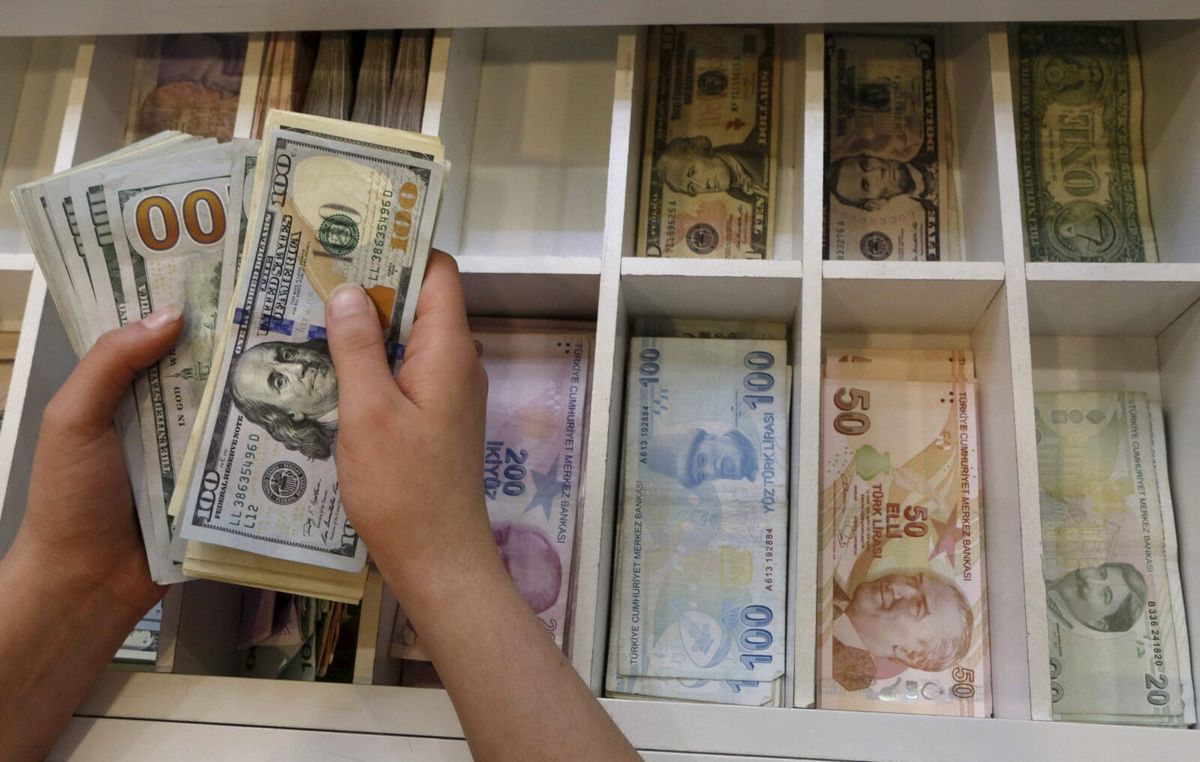
On December 26, Turkey's central bank shocked analysts and markets alike by cutting its key lending rate by 250 basis points, bringing it down to 47.5 percent from 50 percent. This significant move marks the first rate reduction in nearly two years, reflecting growing optimism about inflation stabilization in the country.
The decision came amidst a broader context of economic challenges and expectations, signaling a potential shift in monetary policy that could have far-reaching implications for Turkey’s economy.
The Context of the Decision
The last time the central bank reduced interest rates was in February 2023, when the benchmark was set at 8.5 percent. Subsequently, a series of rate hikes followed as the bank attempted to curb soaring inflation, which had placed significant pressure on businesses and consumers.
Despite the sharp reduction, the new lending rate remains slightly above the November consumer inflation rate of 47.09 percent, indicating a cautious approach by the bank. Analysts had largely anticipated a smaller cut, ranging between 100 and 150 basis points.
Monetary Policy Committee’s Rationale
In its statement, the monetary policy committee noted that November's indicators suggested a flattening of inflation and projected a further decline in December.
“The decisiveness regarding tight monetary stance is bringing down the underlying trend of monthly inflation and strengthening the disinflation process through moderation in domestic demand, real appreciation in Turkish lira, and improvement in inflation expectations,” the statement said.
This move aligns with the government's broader economic objectives, aiming to reduce borrowing costs and stimulate economic growth, while maintaining a delicate balance in the fight against inflation.
Business Community and Economic Impact
The rate cut has been met with mixed reactions from economists and the business community. Mustafa Sönmez, a prominent economist, pointed out that while there had been pressure from businesses to ease borrowing costs, the decision might not lead to immediate changes in commercial lending rates.
“This decision does not mean that borrowing rates will ease immediately or that foreign currency exchange rates will rise as some exporters want,” Sönmez commented.

Inflation Dynamics and Future Challenges
The central bank's decision comes at a time when inflationary pressures are showing signs of moderation, with December inflation expected to hover around two percent. However, January could see a temporary spike of up to four percent due to impending tax and levy increases.
This anticipated inflation uptick raises questions about the sustainability of the current policy direction. Economists suggest that further rate cuts may depend on how inflation trends develop in the coming months.
Policy Changes and Future Outlook
In an accompanying announcement, the central bank revealed a shift in its decision-making schedule. The monetary policy committee will now meet every six weeks instead of monthly, allowing for more comprehensive evaluations of economic data.
The next meeting, scheduled for February, will incorporate inflation data for December and January, along with the 2024 year-end figures. This timeline is expected to provide a clearer picture of the economic trajectory and inform subsequent policy decisions.
FAQ
Why did Turkey’s central bank cut its lending rate?
The central bank reduced the lending rate to support economic growth and address pressures from the business community, signaling confidence in the moderation of inflationary pressures.
How does the new lending rate compare to inflation?
The current lending rate of 47.5 percent is slightly above the November consumer inflation rate of 47.09 percent, reflecting a cautious but optimistic approach.
What are the potential risks of this rate cut?
A key risk is the possibility of an inflationary spike in January due to increased taxes and levies, which could challenge the sustainability of further rate cuts.
How does the central bank’s policy change affect decision-making?
The central bank will now meet every six weeks instead of monthly, allowing more time to assess economic data and make informed policy decisions.
What does this mean for businesses and consumers?
While the rate cut may ease borrowing costs over time, commercial lending rates might not decrease immediately. Consumers and businesses will need to monitor subsequent inflation and policy developments closely.