Trump's Stance on Blocking Japanese Firm's Takeover of U.S. Steel
President-elect Donald Trump says he will block the $15 billion acquisition bid by Nippon Steel, Japan’s largest steelmaker, for U.S. Steel, citing national security concerns and opposition from labor unions.

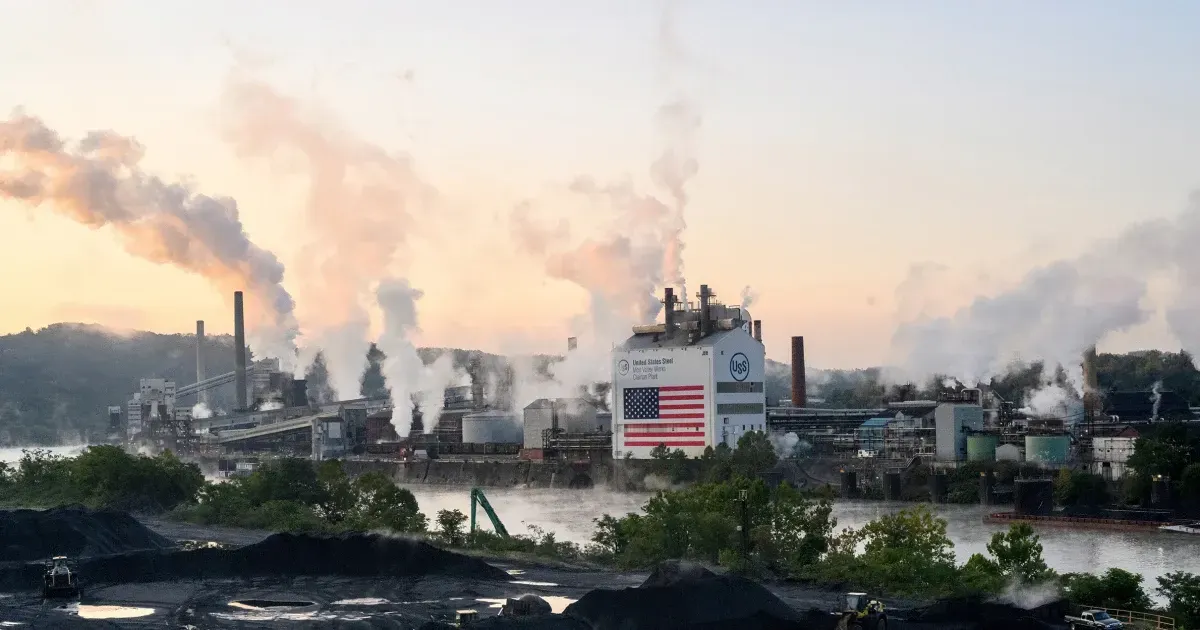
The debate surrounding foreign investments in U.S. companies has long been a contentious issue, with national security, jobs, and industry preservation at the forefront of political and economic discussions. One of the latest and most significant cases revolves around the potential acquisition of U.S. Steel by Nippon Steel, Japan's largest steel manufacturer. The $15 billion bid has drawn attention due to its scale, the political opposition surrounding it, and concerns about the future of the American steel industry.
In December 2023, Nippon Steel, which has long been recognized as one of the world's leading steel manufacturers, announced its intention to purchase U.S. Steel. The deal, however, has faced significant political pushback from both major political parties in the United States, unions, and a segment of the American public. The acquisition has become a central issue in discussions about the future of American manufacturing, particularly within the steel industry.
Trump’s Opposition to the Deal
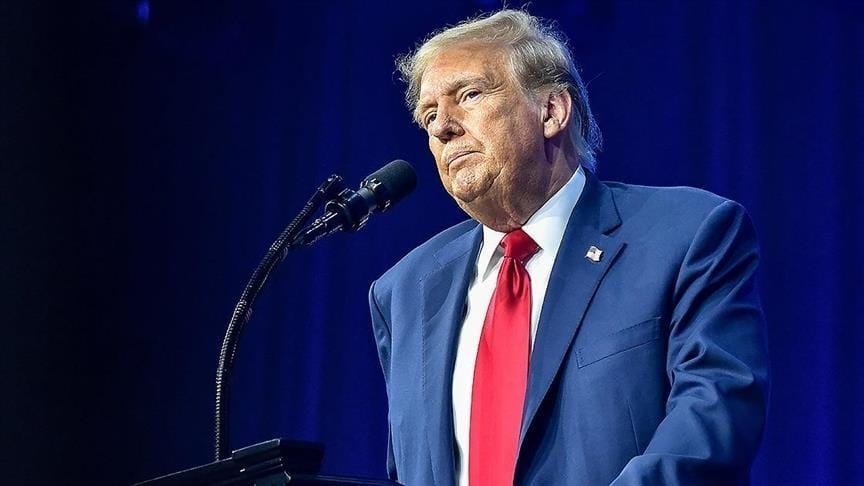
President-elect Donald Trump has been one of the most vocal critics of the takeover. He took to his Truth Social platform to express his opposition, stating, “I am totally against the once great and powerful U.S. Steel being bought by a foreign company, in this case, Nippon Steel of Japan.” Trump made it clear that, as President, he would take steps to prevent the deal from going through, adding that the company would remain American-owned.
Trump’s opposition to foreign ownership of major U.S. companies is not new. During the presidential campaign, he voiced similar concerns about other foreign acquisitions, particularly in industries deemed critical to national security. The steel industry, being a vital component of the nation's defense and infrastructure capabilities, has become a symbol in this broader debate. Trump’s stance aligns with a protectionist approach that aims to safeguard American industries from foreign influence and ensure the nation’s economic sovereignty.
His concerns are shared by many in the U.S. government, including President Joe Biden, Vice President Kamala Harris, and prominent lawmakers across both parties. They argue that U.S. Steel should remain under American control, not just for economic reasons but also to maintain national security and protect jobs in key industrial sectors.
Trump’s late-night post on Truth Social marks his first public comment on the deal since his election win. In it, he also used the phrase "Buyer Beware!!!" signaling that, if he had any say in the matter, the deal would be blocked.
Nippon Steel’s Position
Despite the opposition, Nippon Steel remains determined to push forward with the acquisition. The company’s executive leadership has maintained that acquiring U.S. Steel is essential for strengthening both American and Japanese industries. Nippon Steel emphasized its commitment to investing heavily in U.S. Steel, pledging at least $2.7 billion to modernize U.S. Steel’s facilities, support union jobs, and ensure the future of American steelmaking.
According to a statement issued by Nippon Steel, the company intends to “reinforce American industry, domestic supply chain resiliency, and U.S. national security.” The company also vowed to maintain U.S. Steel as a U.S.-based company, with the headquarters remaining in Pittsburgh. Nippon Steel’s plan also includes appointing American executives to key management positions, ensuring that decisions regarding U.S. Steel would remain in American hands.
One of the key arguments presented by Nippon Steel is that its investment would result in significant improvements to U.S. Steel’s operations, benefiting American workers and ensuring the continued competitiveness of the U.S. steel industry. In particular, the company has emphasized the need to modernize U.S. Steel’s aging facilities to keep up with global demand and maintain the industry’s place on the world stage.
While some U.S. Steel employees support the deal, especially those who stand to benefit from the investment and job security, the proposal has also drawn considerable opposition from labor unions. The United Steelworkers union, which represents a significant portion of U.S. Steel’s workforce, has raised concerns about the deal, primarily focusing on the potential loss of American control and the long-term implications for workers.
Political Implications and Concerns
The political implications of the acquisition are vast, with national security and job preservation at the forefront of the debate. Many critics argue that the takeover would allow a foreign entity to control a critical component of the U.S. industrial base, potentially making the country more dependent on external powers for its steel supply. The steel industry is not only essential for manufacturing goods but also plays a vital role in defense infrastructure, such as the production of military equipment and vehicles.
One of the most significant concerns raised by critics is that the deal could lead to the loss of jobs, particularly if there were any plans for consolidation or closures of facilities in the U.S. However, Nippon Steel has consistently stated that no layoffs or plant closures would result from the transaction. Instead, the company maintains that the deal would preserve jobs and create new opportunities for American workers.
The situation is further complicated by the fact that the U.S. is currently engaged in a trade war with China, the world’s largest producer of steel. Some experts argue that blocking the acquisition could inadvertently strengthen China’s dominance in the global steel market. By not allowing Nippon Steel to invest in and modernize U.S. Steel, the U.S. could fall behind in steel production, giving China an upper hand in the global economy. This would be a concerning outcome, particularly for those who view China as a strategic competitor on the world stage.
The Role of U.S. Government Agencies
The deal is under review by the Committee on Foreign Investment in the United States (CFIUS), which is tasked with evaluating foreign investments for national security risks. While President Biden allowed Nippon Steel to resubmit its filing with the panel, giving the company more time to address concerns, the deadline for the review is rapidly approaching.
As the deadline looms, there is still uncertainty about the outcome. Although Biden’s administration has granted more time for the review, it is not clear whether the deal will ultimately be approved. If it is blocked, it could have significant implications for U.S.-Japan relations, as well as for the steel industry’s future in the U.S.
Trump’s opposition adds another layer of complexity to the situation. While his comments are unlikely to have a direct impact on the review process, they signal his intention to take action if the deal reaches his administration. He has vowed to use economic tools such as tax incentives and tariffs to protect U.S. Steel and ensure its future in the hands of American workers.
The ongoing debate over Nippon Steel’s bid to acquire U.S. Steel reflects larger issues surrounding national security, economic sovereignty, and the future of American manufacturing. As the review process continues and political pressures mount, the fate of the deal remains uncertain. For now, the U.S. government, labor unions, and American workers are left to grapple with the complex implications of foreign ownership of a vital American industry. Whether the deal proceeds or is blocked, it is clear that the issues raised by this acquisition will continue to resonate in future discussions about global trade, economic policy, and national security.