Trump's FCC Investigates NPR and PBS Sponsorships: A Deep Dive into the Legal and Political Implications
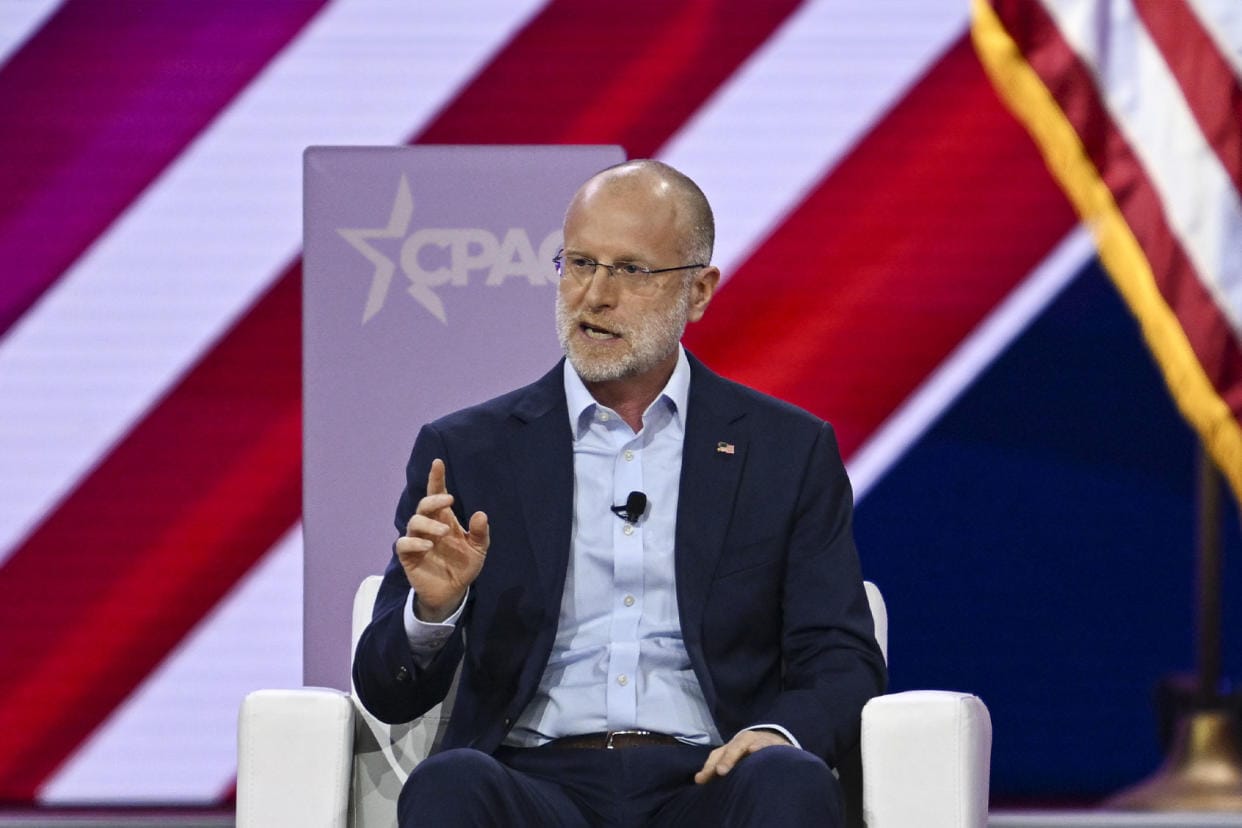
The Federal Communications Commission (FCC), under Chairman Brendan Carr, is investigating NPR and PBS stations over potential violations of federal law regarding sponsorship practices, amid concerns over airing commercial advertisements.

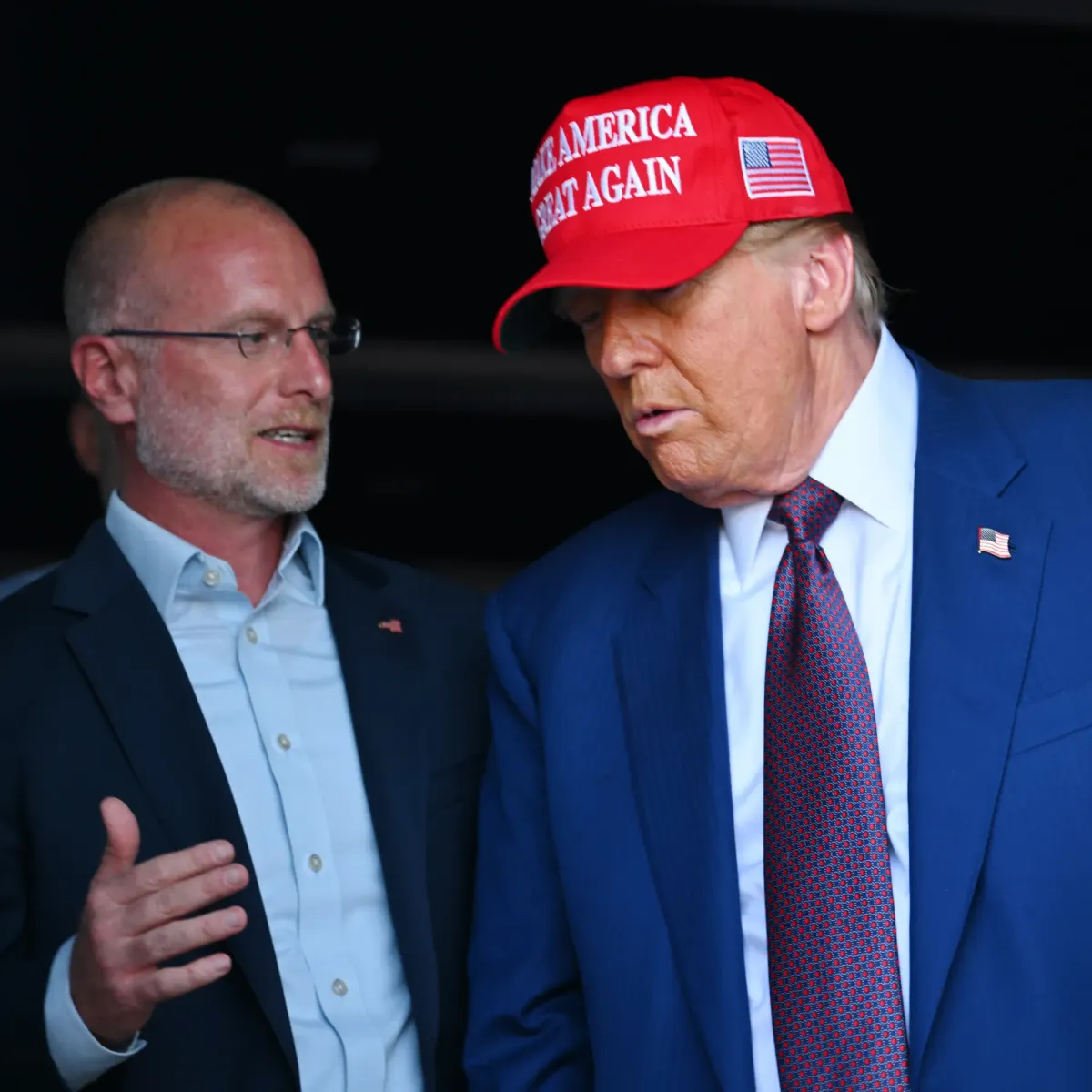
The Federal Communications Commission (FCC) is now examining the underwriting practices of NPR and PBS, with a focus on whether these organizations are breaching federal law by broadcasting commercials. Under an order prompted by FCC Chairman Brendan Carr, the case is now beginning to raise questions over the legality of the underwriting announcements and the long-standing political debate over public media funding by taxpayers.
In this article, we discuss the background of this investigation, the legal concerns involved, and the potential political ramifications of the FCC's actions.
The FCC's Investigation into NPR and PBS
In the early days of January, a Wednesday, the newly appointed chairman of the Federal Communications Commission directed an investigation into NPR and PBS concerning their sponsorship practices. This is because the broadcasts aired by NPR and PBS may be considered violating federal law because they could air content considered commercial advertisements.
The focus of the investigation is on the underwriting announcements by NPR and PBS member stations. Underwriting announcements are a common practice on non-commercial stations where companies can sponsor programs without directly advertising products or services. These announcements, however, must remain within the confines of non-commercial speech, which prohibits them from promoting commercial products, making overt sales pitches, or engaging in direct advertising.
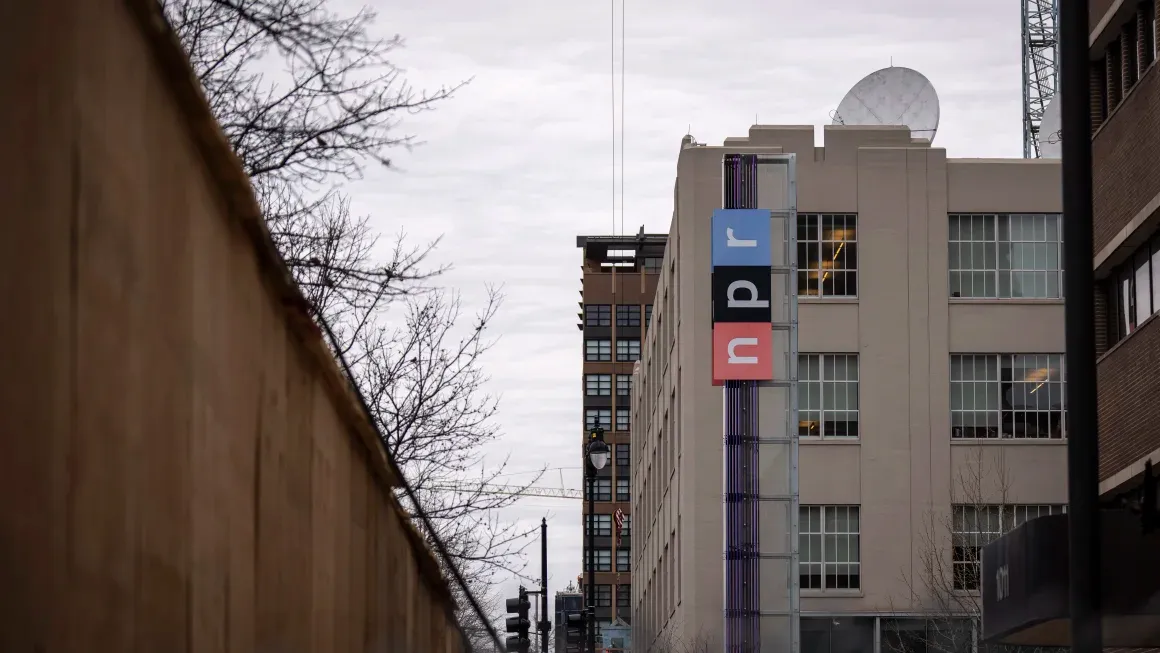
In her letter to NPR's CEO Katherine Maher and PBS's CEO Paula Kerger, Carr expressed concerns that these stations might be crossing the line, violating the prohibition on airing commercials set forth by the FCC's regulations. The FCC regulates broadcast licenses for around 1,500 NPR and PBS affiliate stations across the United States, and their licenses explicitly prohibit the airing of commercial advertisements.
The FCC will look into the underwriting practices of NPR and PBS to determine if the organizations are following the guidelines set forth for non-commercial educational stations. This probe could have significant implications for the future of public broadcasting and how taxpayer funds are allocated to support NPR and PBS.
Legal Implications and Underwriting Guidelines
To understand the legal issues at the heart of the FCC’s investigation, it’s important to look at the rules that govern non-commercial stations. NPR and PBS operate on the basis of these guidelines, which differentiate them from commercial broadcasters. Under these regulations, non-commercial educational stations are prohibited from airing traditional commercial advertisements, which are designed to promote products or services for profit.
Underwriting announcements are also used by NPR and PBS member stations to fundraise from underwriters. Such announcements are aimed at acknowledging support without advertising as is traditionally seen. For example, an underwriting announcement would state the name of the underwriter and support for a particular program but not use words like "buy now" or point out specific commercial products.
This distinction between underwriting and advertising may be a very thin line. NPR and PBS argue that they are within their rights. According to NPR, the network's CEO Katherine Maher said that "NPR and its member stations have always complied with the rules of the FCC.". PBS also issued a statement reiterating their commitment to the FCC's underwriting guidelines, stating that they have worked hard to ensure that their broadcasts do not cross the line into commercial advertisements.
The FCC's inquiry will probably dwell on whether the underwriting announcements have been of a sufficiently non-commercial nature or if they had crossed the advertising line. The implications of an adverse determination may be severe because NPR and PBS could lose public funding and ongoing eligibility to do so.
The political motivations may also be significant, as Donald Trump's own influence is considerable.
This investigation by the FCC has not only created legal controversies but also fueled political debate. With President Donald Trump at the helm, the FCC has come to be increasingly regarded as an agency that is in line with the political tenor of the administration. This investigation is also being seen by many as a continuation of a pattern of Trump's rhetoric and actions against media houses that he believes do not align with his political agenda.
During his presidency, Trump repeatedly criticized news organizations, calling them "fake news" and accusing them of being biased. His attacks were often targeted at news organizations that ran stories he didn't agree with, and he often threatened the press with lawsuits, including legal action against major networks like ABC News and CBS.
Now, with Carr at the helm of the FCC, some observers have noted a potential political dimension to the agency’s actions. The investigation into NPR and PBS comes at a time when Trump has continued to criticize public broadcasting as being biased or politically slanted. It is also worth noting that Carr’s letter to NPR and PBS was sent to congressional lawmakers, signaling that the investigation might have political ramifications as well.
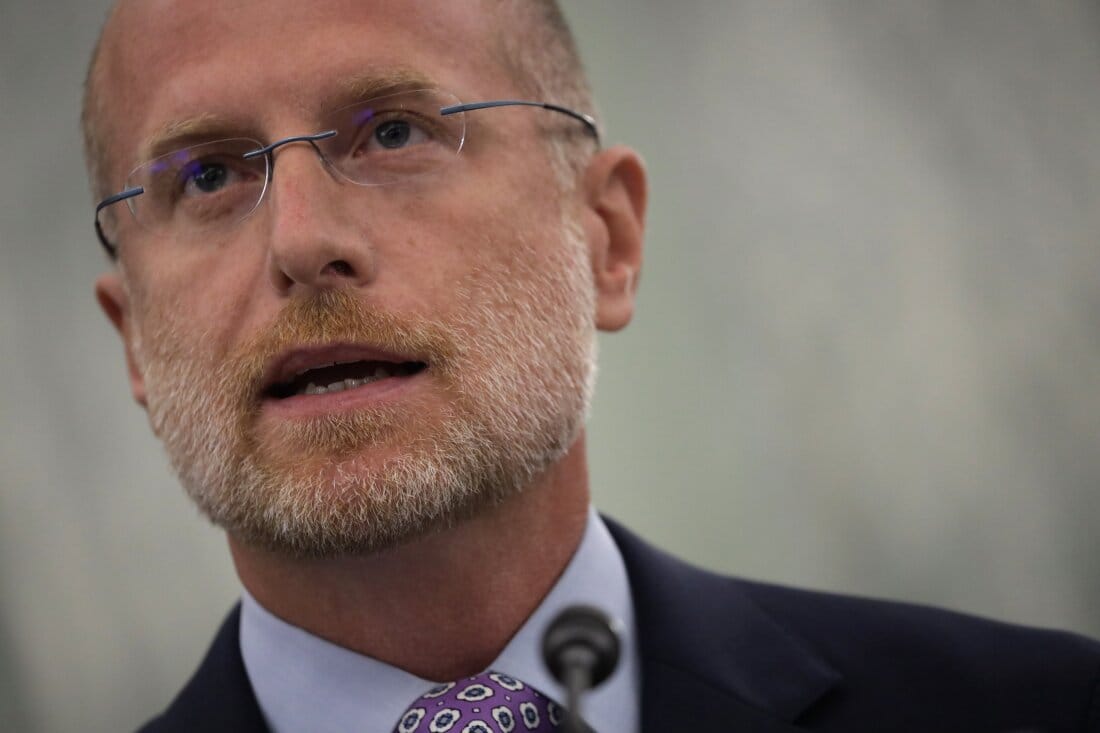
However, the letter, also by Carr, referenced in Congress a brewing debate about tax dollars for support of NPR and PBS. Specifically, in a letter, he wrote that taxpayer funding for his NPR and PBS organizations would most certainly be defeated if NPR were allowed to get into commercial advertisement. This political dimension adds another layer to the investigation, as public funding for NPR and PBS has long been a topic of partisan debate.
Responses from NPR and PBS
Both NPR and PBS have responded to the FCC’s investigation by reiterating their commitment to following the rules. NPR’s CEO, Katherine Maher, emphasized that the organization has always complied with the FCC’s regulations and that any review of their practices would confirm this adherence. Maher also noted that NPR relies on underwriting announcements as a vital funding source and that these announcements are carefully crafted to comply with the law.
PBS also vindicated itself by saying that it has made considerable efforts to comply with the FCC's guidelines. The network explained that it carefully reviews underwriting language to ensure that it upholds the non-commercial nature of its programming.
Despite these assurances, the FCC's investigation could cast a shadow over the future of NPR and PBS, especially if it finds any violations of federal law. The results of the probe could affect both organizations' relationships with sponsors and their eligibility for public funding.
The Future of Public Broadcasting and Taxpayer Funding
As the inquiry continues, questions about the future of public broadcasting and taxpayer funding for NPR and PBS will likely linger at the center of this fray. Public broadcasters have long relied on federal dollars to support their operations, but in recent years, that funding has come under increasing attack from conservative lawmakers.
If the FCC rules that NPR and PBS have broken rules by airing commercial ads, it will fan calls for such a drastic cut in funding either for NPR and PBS or even for a complete change in the way public broadcasting is financed in this country. This will quite literally shift the landscape of public media, possibly changing the way NPR and PBS do their business and seek funding.
The Intersection of Law, Politics, and Media
The FCC's investigation into NPR and PBS is a good example of the complex interplay between law, politics, and media. Although the investigation may eventually prove that the organizations are in compliance with federal regulations, it has already sparked a larger debate about the role of public broadcasting in the United States.
At the heart of this issue is the question of whether taxpayer money should continue to support public broadcasters that may be engaging in practices that are seen as commercially driven. As the FCC probes deeper into NPR and PBS's underwriting practices, it remains to be seen what impact this will have on the future of public media in the U.S.
Frequently Asked Questions (FAQs)
Why is the FCC investigating NPR and PBS?
The FCC is investigating NPR and PBS to determine if their underwriting announcements are violating Federal regulations that prohibit non-commercial educational stations from airing commercial advertisements.
What are underwriting announcements, and why are they important?
Underwriting announcements are acknowledgments of financial support from sponsors for public programming. Such announcements are critical to public broadcasters like NPR and PBS because they raise funds for them while operating within the framework of non-commercial broadcasting rules.
What happens if NPR and PBS are eventually determined to violate FCC rules?
If the networks are violating the rules by taking money for running commercials, a likely consequence might be a revamping of sponsorship policies, elimination of funding or reconsideration on eligibility for tax payer dollars.
How does this inquiry connect with the position of Trump on media?
This inquiry is seen as a facet of the broader trend whereby Trump continuously attacks media institutions, particularly those he holds to be politically biased. The results of the FCC may have political undertones in terms of NPR and PBS receiving their public funding or not.
What are the implications of this investigation for public broadcasting in the U.S.?
This investigation may bring increased scrutiny to the practices of public broadcasting and may change the way NPR and PBS are funded. It may also influence the ongoing debate in Congress about the future of taxpayer support for these organizations.