Trump’s Dubai Billionaire Ally Vows $20 Billion for Data Centers
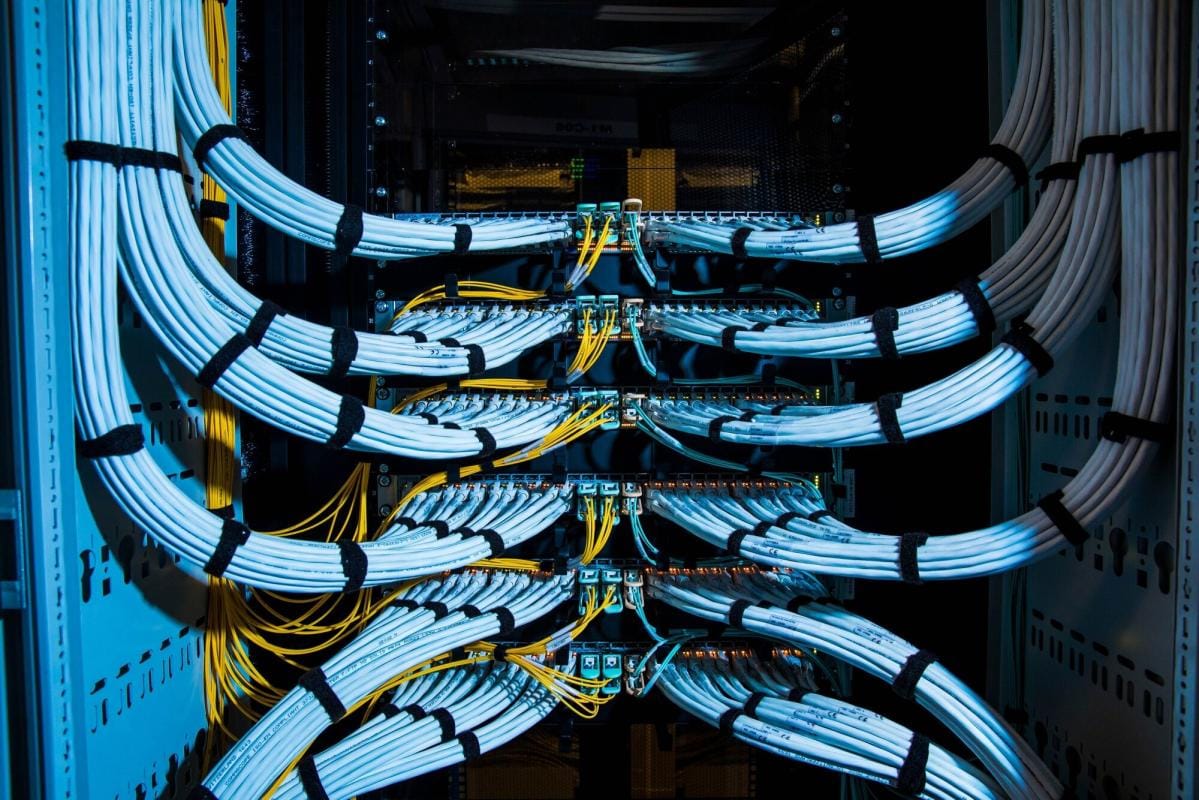
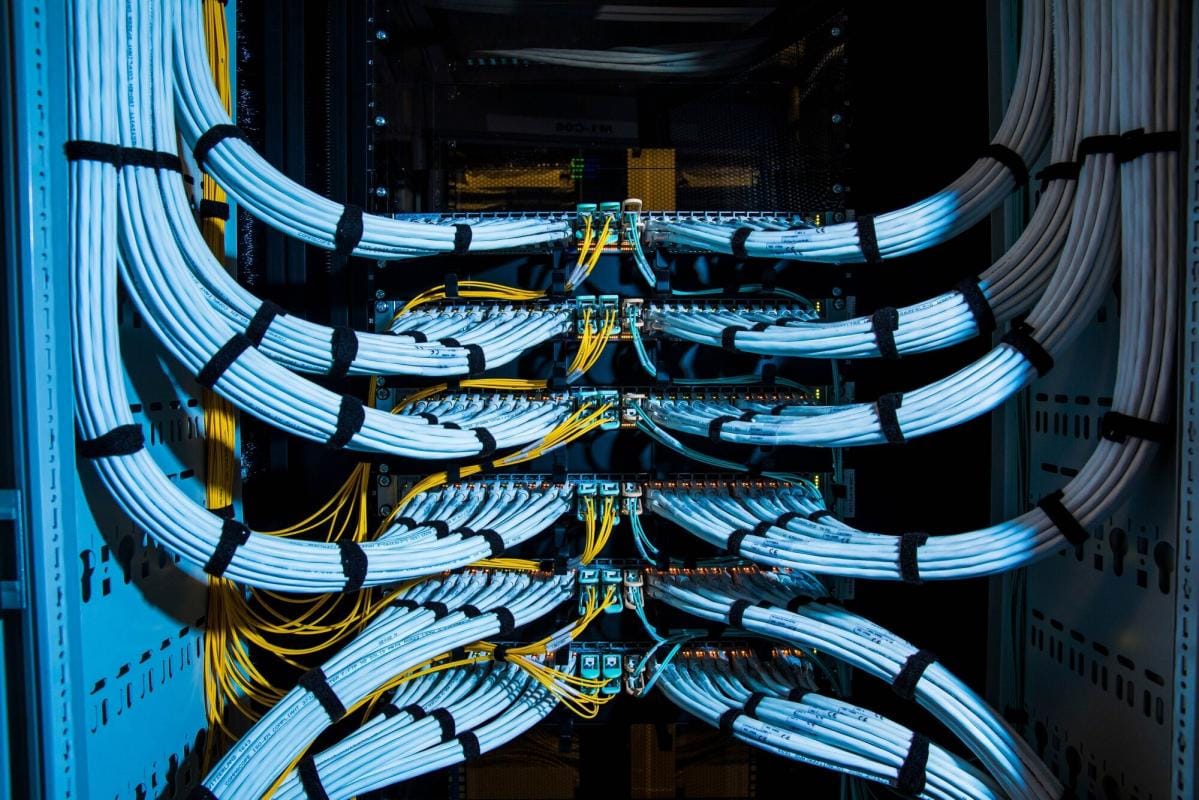
One of Trump's main Middle Eastern business allies, Hussain Sajwani, has promised $20 billion toward building state-of-the-art data centers across the U.S.-a giant step toward technology and AI competitiveness.

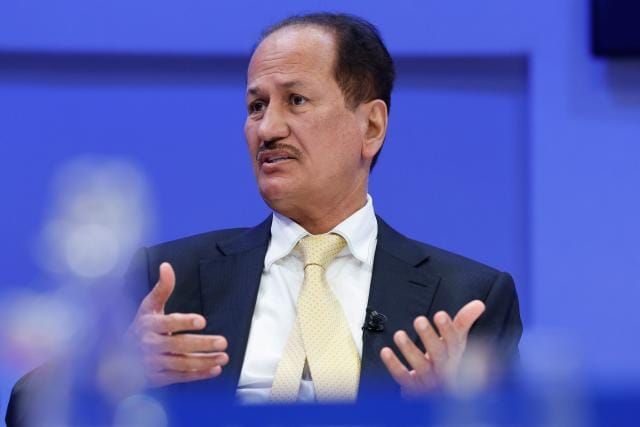
In a revelation announced at Mar-a-Lago, Hussain Sajwani, a big real estate magnate and longtime Trump business associate, has decided to inject $20 billion into the United States in building cutting-edge data centers throughout the country. This massive project is designed to make the technological infrastructure of the nation stronger and further bolster its AI initiatives. The undertaking reflects the deep bonding between the two businessmen with President-elect Donald Trump advocating for it and marks a new chapter in business collaboration between U.S. and the Middle East.
The rise of Sajwani in the business world
Hussain Sajwani, the owner of DAMAC Properties, is known for his big ideas. His luxury real estate company and partnerships with global brands have seen him become a billionaire with a net worth estimated at $13 billion, according to the Bloomberg Billionaires Index. Sajwani and Trump's history goes back to their working together on golf courses in Dubai; that relationship has evolved into an alliance.
By diversifying his business interests, Sajwani moves into the space of tech infrastructure as his portfolio expands. His interest lies in a trend that the entire world is emphasizingthese are digital transformation and data dependency.
Investment Details
The $20 billion pledge concentrates on the development of large-scale data centers in states like Texas, Arizona, Oklahoma, Louisiana, Ohio, Illinois, Michigan, and Indiana. According to Trump, this project is crucial for sustained U.S. dominance in emerging technologies such as AI.
Project Highlights:
Geographic Extent: Data centers will stretch across the Midwest and Sun Belt-the areas most crucial for expansion.
Economic Impact: This investment will be seen to provide thousands of construction, technology, and maintenance jobs.
Technological Advancement: The facilities will enhance the US's capacities in cloud computing, machine learning, and other applications of AI.
The actual cost of funding has not been mentioned, but Sajwani has mentioned his flexibility to raise it above the $20 billion figure if the market conditions allow it. That kind of adaptability shows he believes in long-term returns and strategic importance for this project.
Trump's Position and Strategic Dimensions
President-elect Trump has accepted the pledge of Sajwani because of victory and pro-business policies. Now, Trump speeds up the project by providing faster environmental and permitting processes as it will strengthen America as one of the leader in technology infrastructures.
Quotes by Trump
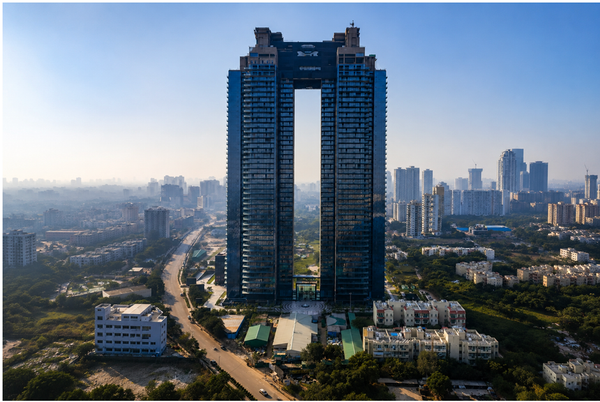
"Investing in Trump Towers is to stay America's on the front line of being in the latest and greatest position for technology and artificial intelligence.
Highlighted its importance for U.S. competitiveness in a rapidly changing global market.
Reaffirmed his administration's commitment to attracting foreign investments through favorable policies.
The Wider Context of Foreign Investments
Sajwani’s announcement follows a December pledge from SoftBank Group Corp.’s CEO Masayoshi Son to invest $100 billion in the U.S. over four years. These developments reflect a trend of foreign business leaders seeking alignment with Trump’s economic vision. Trump’s stance on tariffs and tax incentives has been a critical factor in drawing such commitments.
Challenges and Opportunities
While the project holds significant promise, it faces potential challenges:
Financing: Mechanisms for the $20 billion commitment by Sajwani remain unclear.
Environmental: Big data centers are big energy and water consumers. Their sustainability is an open question.
Market: Demand for data services and technological changes can make or break these investments.
Yet, opportunities appear to outweigh risks. This can:
Improve U.S.-Middle East economic relations.
Establish the United States as a leader in AI and data technologies.
Create employment opportunities and spur local economies by constructing infrastructure.
The Trump-Sajwani Connection
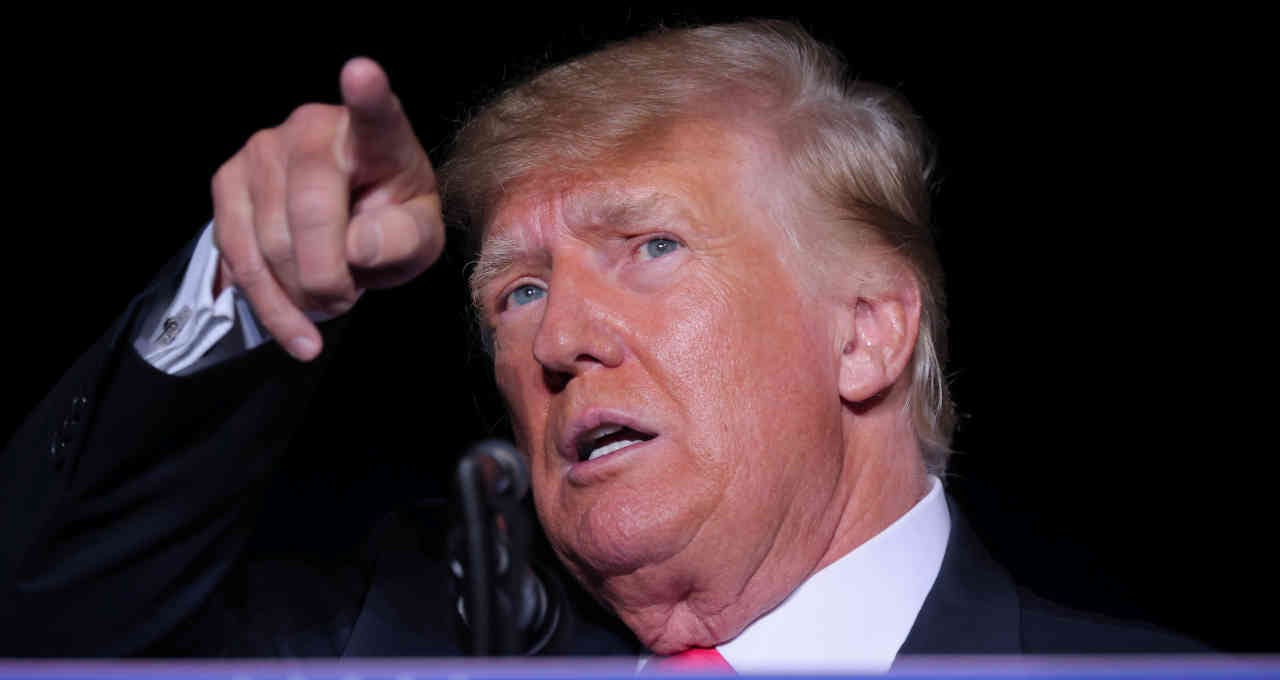
Sajwani has repeatedly referred to himself as "Trump's Middle Eastern business partner," a sobriquet that speaks to the ten-year relationship they share. The partnership they have enjoyed over their work in developing luxury golf courses in Dubai laid the foundation for this mega project. That Sajwani is now using this relationship for his dream U.S. project demonstrates how well these two click together.
Trump's personal engagement, including reducing bureaucratic red tape, ensures the project gets moving. Such a partnership presents a case in using business networks for mutual gains on a global scale.
The $20 billion investment announced by Sajwani represents more than just an infrastructure project; it symbolizes the possibilities of cross-border collaboration in a rapidly globalizing world. With Trump’s leadership and Sajwani’s vision, the initiative could set a precedent for similar partnerships in the future. As the U.S. prepares to embrace this transformative project, its impact on technology, the economy, and international relations will undoubtedly be profound.
FAQs
Who is Hussain Sajwani?
Hussain Sajwani is a real estate billionaire based in Dubai and founder of DAMAC Properties. He is known for luxury developments and has a net worth of $13 billion.
What does the $20 billion investment entail?
The investment is on the construction of data centers in states such as Texas, Arizona, Ohio, and Michigan to boost U.S. capabilities in AI and other technologies.
How are Sajwani and Trump connected?
Sajwani and Trump have been business associates since over a decade, who started partnering to build high-end golf courses in Dubai.
What are some potential obstacles facing this project?
Potential challenges facing this project could include details related to financing, environmental concerns, and market demand for data services.
What is the bigger significance of this investment?
This project epitomizes strategic significance of the US-Middle East business relation, while putting technology at the heart of tomorrow's economy.