Trump Withdraws U.S. from World Health Organization: Impact and Consequences
President Trump’s decision to withdraw the U.S. from the World Health Organization (W.H.O.) sparks global concern, raising fears over weakened international cooperation, pandemic preparedness, and America’s role in global health leadership.

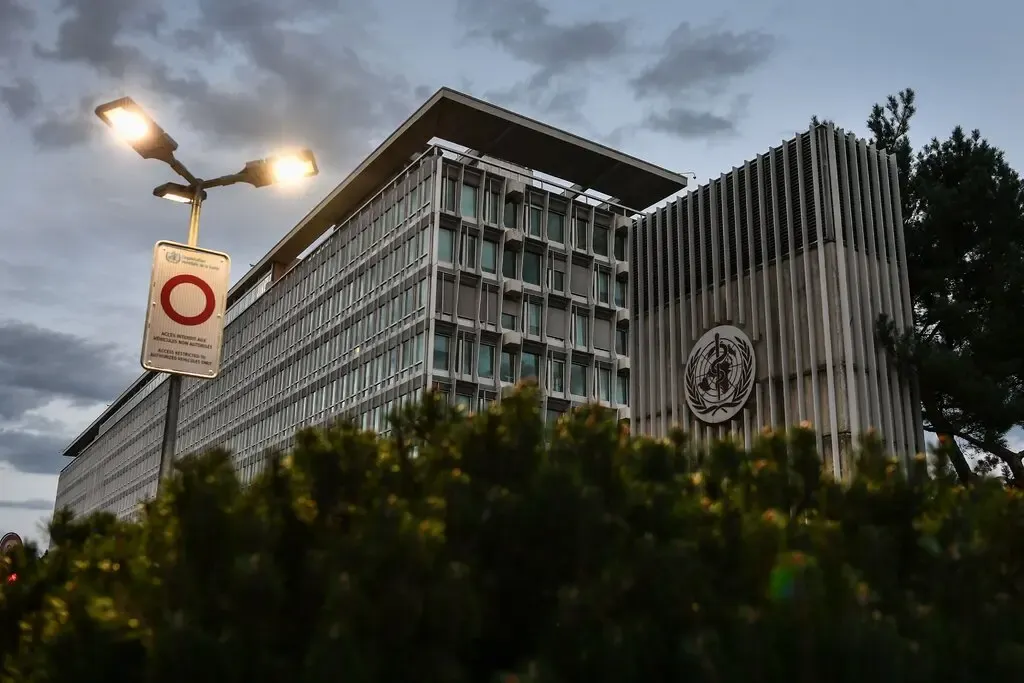
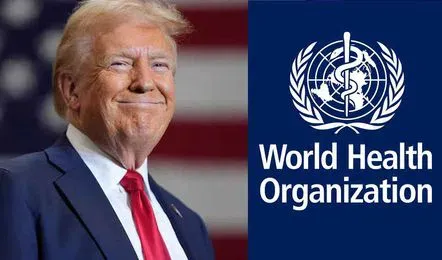
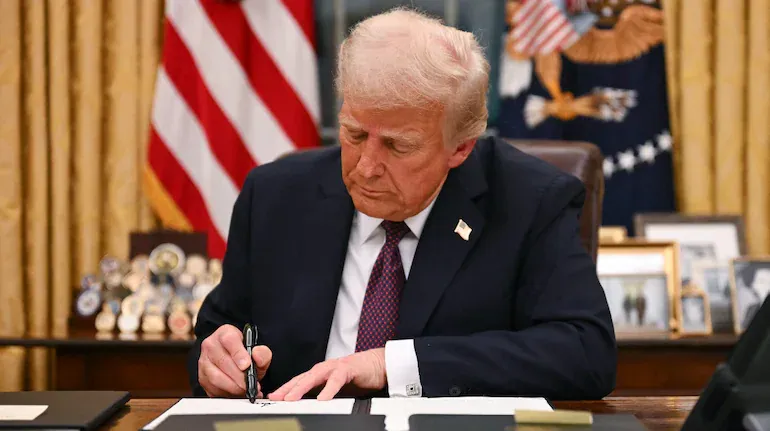
President Donald Trump’s decision to withdraw the United States from the World Health Organization (W.H.O.) marks a significant shift in global health diplomacy. Citing reasons such as the organization’s alleged mishandling of the COVID-19 pandemic, its close ties with China, and its failure to adopt necessary reforms, Trump followed through on his 2020 threats. The move has triggered a wave of reactions from public health experts, policymakers, and international allies who warn of severe consequences for global health and America's leadership role.
Background of U.S.-W.H.O. Relations
The United States has been one of the key contributors to the W.H.O. since its founding in 1948. Because of its significant contributions, the United States has contributed to most of the programs set by the organization, including surveillance for diseases, vaccines, and the response during a pandemic. Severing ties may bring to an end decades of cooperation.
Trump first attacked the W.H.O. in early 2020 as it was perceived to have been slow to react to the outbreak of the COVID-19 pandemic and appeared to be taking China's side. By July 2020, though, Trump had completed formal action to withdraw but President Joe Biden moved to block the decision on his first day of office. Now, with a fresh breeze blowing into Trump's sails again, he has returned W.H.O. withdrawal to the number one priority list.
Key Reasons for the Withdrawal
Alleged Mishandling of COVID-19: Trump has repeatedly criticized the W.H.O. for being slow to declare COVID-19 a pandemic and for allegedly downplaying China's role in the virus's spread.
Financial Concerns: The U.S. has historically contributed an outsized portion of the W.H.O. budget, while China pays significantly less. Trump argues this funding imbalance is unfair.
Sovereignty Issues: Some conservatives have argued that the proposed pandemic treaty could undermine national decision-making powers over public health policies.
No Reform: The Trump administration argues that despite demands for reform, the W.H.O. hasn't taken any structural steps necessary to operationalize reforms aimed at greater transparency and more efficient effectiveness.
Consequences of Withdrawal
Global Health Initiatives:
Withdrawing from the W.H.O. may cause weakening of efforts to fight future pandemics and, of course, in distributing vaccines, which may result in decreasing global surveillance in identifying diseases.
It coordinates efforts in respective health crises like Ebola, Zika, and COVID-19.
Lawrence Gostin, Georgetown University public health law expert, notes that exiting W.H.O. would be "a grievous wound" to public health and a "deeper wound to American national interests and national security." By not being privy to international health data, the U.S. risks missing out on an opportunity to get ahead of emerging threats.
Political Implications
The withdrawal has disappointed the international allies as many of them have taken it as an isolationist move, which might severely damage diplomatic relations. Domestic public health experts are also opposed to the move as they see long-term effects.
Future U.S. Role in Global Health
Although Trump began the process to withdraw, that will take around a year in itself. Second, Congress also needs to confirm the final step of withdrawal as well as resolve any remaining obligations that are made in terms of finance. This allows a future government to reverse that decision once more.
Possible Course of Action
Reversal by a Subsequent Government
If a president from a different party comes to power, they may reverse that decision.
Alternative Organization Development: To the critics, the W.H.O. has been advised to develop a U.S.-led global health alliance as an alternative.
Selective Participation: The U.S. may choose to engage in some of the working bodies of the W.H.O. while being independent of the central organ.
Withholding membership from the W.H.O. is a very sensitive decision that will have significant implications on global health, national security, and international diplomacy. The global community, as well as every country, will face the ongoing and future health problem without the United States at the helm in global health leadership, leaving gaping holes in pandemic preparedness and response. The next several months will determine if this decision remains so or if politics will change for the future.
Frequently Asked Questions (FAQs)
Why did Pres. Trump move the U.S. out of the W.H.O.?
Pres. Trump said reasons consisted of W.H.O. having mishandled COVID-19, showed favorable treatment toward China, did nothing to reform organization, and funding issues in disproportionate share paid out by the United States.
What kind of world health implications arise from the withdrawing?
The withdrawal could undermine pandemic preparedness, vaccine distribution, and disease surveillance. It could also undermine the W.H.O.'s ability to respond effectively to future global health crises.
Can the U.S. rejoin the W.H.O. in the future?
Yes. The withdrawal process takes about a year, and a future administration could choose to rejoin the organization, as President Biden did in 2021 after Trump's initial withdrawal attempt.
What are the fiscal implications of the withdrawal from W.H.O.?
The United States has always been one of the largest contributors to W.H.O., giving hundreds of millions of dollars each year. Withdrawing may save money but at the same time will weaken the United States in its global health influence.
How does the withdrawal impact the national security of the United States?
Without membership in W.H.O., the U.S. may lose access to critical global health data and early warnings about emerging diseases, which could pose a threat to national security.