Trump Warns Canada, Mexico: Tariffs Are Coming on Saturday
President Trump announced he will impose 25% tariffs on goods from Mexico and Canada, citing trade deficits, migration issues, and fentanyl flow. The move could have significant economic repercussions for all three nations.

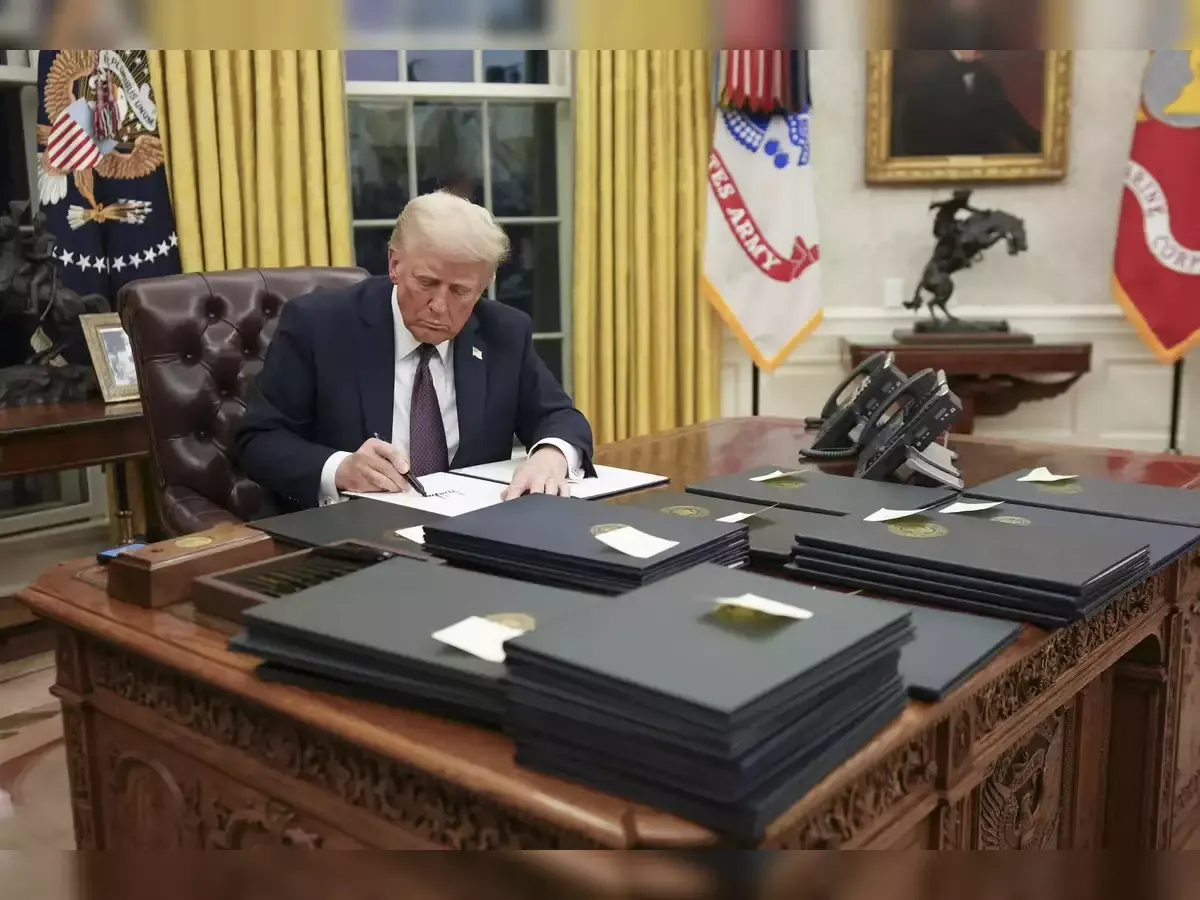
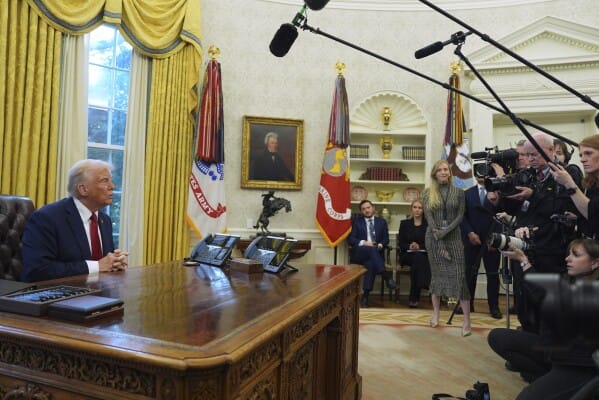
On Thursday, President Donald Trump reiterated his intention to impose 25% tariffs on imports from Mexico and Canada, citing a variety of concerns from trade deficits to border security. The announcement, made in the Oval Office, marked the latest step by the administration in reshaping the United States' trade policies. These tariffs could have far-reaching consequences for businesses, consumers, and the broader economies of all three nations. While Trump defends the tariffs as necessary to correct unfair trade practices, experts fear there could be potential economic repercussions that include increased consumer prices and possibly retaliatory actions from the countries affected.
Rationale for Imposing Tariffs
President Trump cited several reasons for imposing tariffs on Mexico and Canada:
Trade Deficits – America's trade deficits with Mexico and Canada have always been a nagging issue. Trump has explained that these imbalances are somehow unfavorable to businesses and workers within the United States.

Migration Concerns – The number of migrants crossing the southern U.S. border was a major campaign issue for Trump. He argues that Mexico needs to do more to stop illegal crossings and that tariffs will serve as an incentive for them to act.
Fentanyl Crisis – The opioid epidemic in the U.S. has been fueled by the flow of fentanyl, much of which, Trump says, comes from Mexico and flows in through border crossings.
Oil and Energy Trade – Trump threatened to add oil to the list of tariffs, pointing to unfair pricing practices by Canada and Mexico in their trade with the U.S.
Economic Impact of the Tariffs
The imposition of 25% tariffs on goods coming from Mexico and Canada will easily spur tremendous economic disruptions.
Effects on American Consumers
The first casualty in the short term would be increasing the prices of goods that will be dependent on imports from the countries. Automobil purchase, agricultural products, and household goods and other related items would increase in price as the businesses push the burden to the consumers.
Impact on Businesses and Industries
Automobile Industry – Most U.S. automobile companies source their components from Mexico and Canada. More restrictions can raise the production cost, and this would lessen the competitiveness and profitability of their automobiles.
Agriculture – Both countries are huge buyers of American farm products. If tariffs are imposed, retaliatory action may be expected; this can affect U.S. farmers who sell produce, dairy, and meat products to such countries.
Retail and Manufacturing – Many products sold in American stores are produced in Mexico and Canada. A trade war could disrupt supply chains and increase costs for businesses that rely on imports.
Possible Retaliatory Measures by Mexico and Canada
Mexico and Canada have historically retaliated against U.S. trade measures. If the tariffs are enacted, they will retaliate by levying the same tariffs on American exports, including agricultural and industrial products. This will raise tensions and probably strain diplomatic ties.
The Political Dimension
Trump's move seems in consonance with his "America First" trade policy which was a key takeaway from his 2016 and 2024 presidential campaigns. By imposing tariffs, he will strive to appeal to U.S. workers and businesses that feel they are being dealt a bad hand by international trade agreements. However, critics fear these measures could backfire, driving layoffs and economic instability.
Reactions From the Experts and Industry Leaders
Heated opinion has developed among economic analysts and trade experts, who weigh in on the consequences of this action. Much of the warning, however, points towards the long-term damage that such aggressive trade policies could inflict upon the U.S. economy. Some business leaders are concerned that supply chains will be disrupted, while others see potential in the tariffs as a means to renegotiate trade with Mexico and Canada.
As the deadline for imposing tariffs approaches, the business community, policymakers, and international partners await further developments. If implemented, the tariffs could reshape North American trade relations, prompting new economic challenges and strategic adjustments.
Frequently Asked Questions (FAQs)
What goods will be affected by the tariffs?
The tariffs will affect a whole lot of things, including cars, electronics, agricultural products, and even possibly oil. A list of those affected might not be set in stone and can change depending on negotiations.
How would the tariffs affect American consumers?
The tariffs will likely raise prices on imported goods because businesses pass on the extra costs to the consumer. Some of the biggest affected industries may include automobiles, groceries, and electronics.
Can Mexico and Canada retaliate against the tariffs?
Yes, both countries have the capability to impose their own tariffs on U.S. goods. In the past, trade disputes have led to retaliatory measures that could affect American farmers, manufacturers, and exporters.
What is the purpose of these tariffs?
The reasons Trump cites for the tariffs are reducing the U.S. trade deficit, pressuring Mexico on border security, and dealing with the fentanyl crisis. Critics counter that the tariffs will have unforeseen economic impacts.
Will there be exceptions to the tariffs?
There is no clarity if exemptions would be given for certain industries or companies. Trump indicated that some goods, such as oil, will be dealt with on a case-by-case basis.