Trump Urges OPEC Countries to Slash Oil Prices: A Strategic Move Amidst Global Tensions
President Donald Trump urged OPEC nations to slash oil prices, emphasizing its role in ending the Russia-Ukraine war. Speaking at the World Economic Forum, he reiterated his commitment to economic and energy policies favoring U.S. interests.

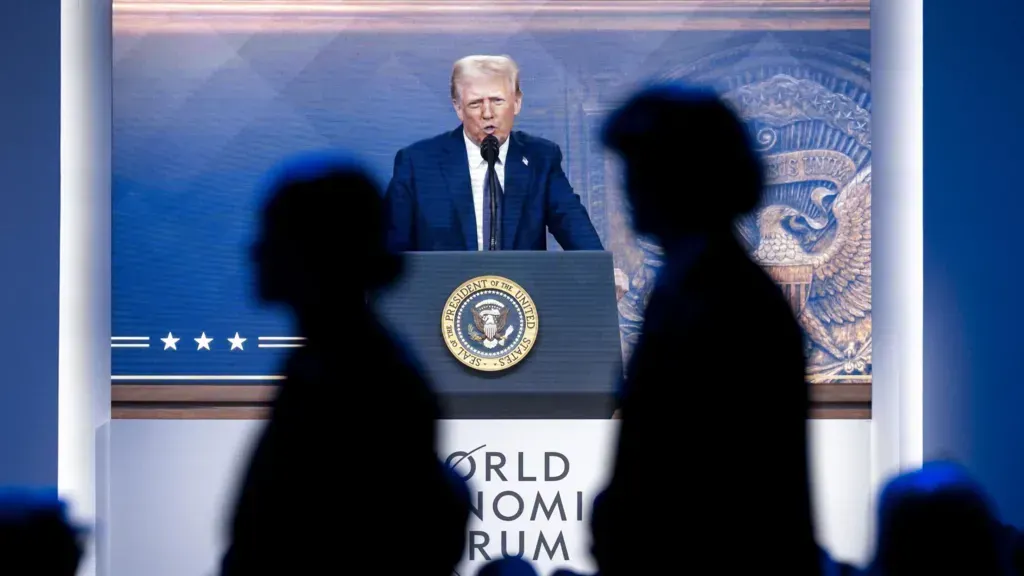
Former U.S. President Donald Trump recently called on OPEC nations, including Saudi Arabia, to lower global oil prices. He made the call while speaking at the World Economic Forum in Davos, suggesting that lower oil prices could be key to ending the Russia-Ukraine war. The comments were part of a broader strategy to present the U.S. as an energy superpower and to exert economic pressure on geopolitical adversaries. This article elaborates on the implications of the statement made by Trump, how possible his demands are, and what the potential economic effects will be.
Trump's Demand for Cheaper Oil
While addressing the public, Trump stated that he was shocked OPEC did not act before elections to lower oil prices. According to him, high oil prices were unconsciously keeping Russia's war machinery alive, meaning a cut in price could prevent Moscow from continuing funding for the war.
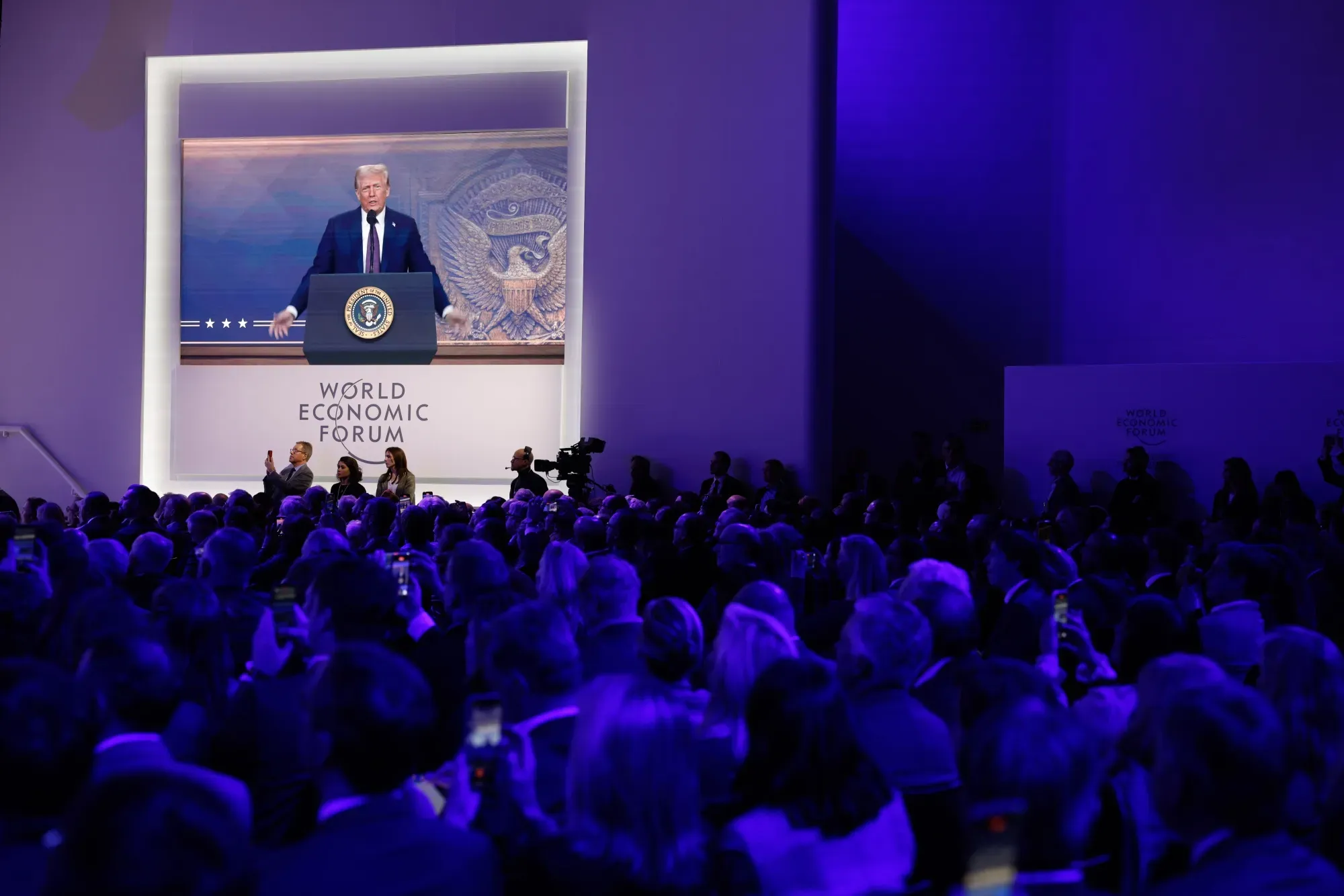
“You gotta bring down the oil price; that will end that war,” Trump asserted.
His remarks followed a conversation with Saudi Crown Prince Mohammed bin Salman, who reportedly pledged to invest up to $600 billion in the U.S. over the next four years. However, the White House statement omitted this figure, raising questions about the specifics of their discussions.
Oil Market Reactions
Crude oil fell by 1% in the wake of Trump's comments. According to David Oxley, Capital Economics, market analysts consider that there is compatibility in what he says about low oil prices with a more comprehensive energy strategy of President Trump. However, according to Oxley, U.S. oil producers may not respond to reduced global prices by increasing drilling, especially in Alaska.
Geopolitical Implications
Saudi Arabia, one of the most important OPEC players, is unlikely to comply with Trump's demands. The Kingdom has always balanced its production policies to maintain profitability without causing too much market volatility. Lowering oil prices may not be in their economic interest, especially considering their ambitious Vision 2030 plans, which rely on oil revenue to fund diversification efforts.
Furthermore, the idea that cheaper oil would economically squeeze Russia is an oversimplification. Energy revenue is an important component of Russia's economy, but Russia has diversified its trade relationships, especially with China and India, which continue to buy Russian oil.
Tariffs and Economic Strategy
Beyond oil, Trump reiterated his commitment to economic protectionism. He warned that companies manufacturing outside the U.S. could face significant tariffs, reinforcing his “America First” agenda. This stance has sparked mixed reactions among global business leaders, with some supporting his push for fair trade while others expressing concerns about potential trade wars.
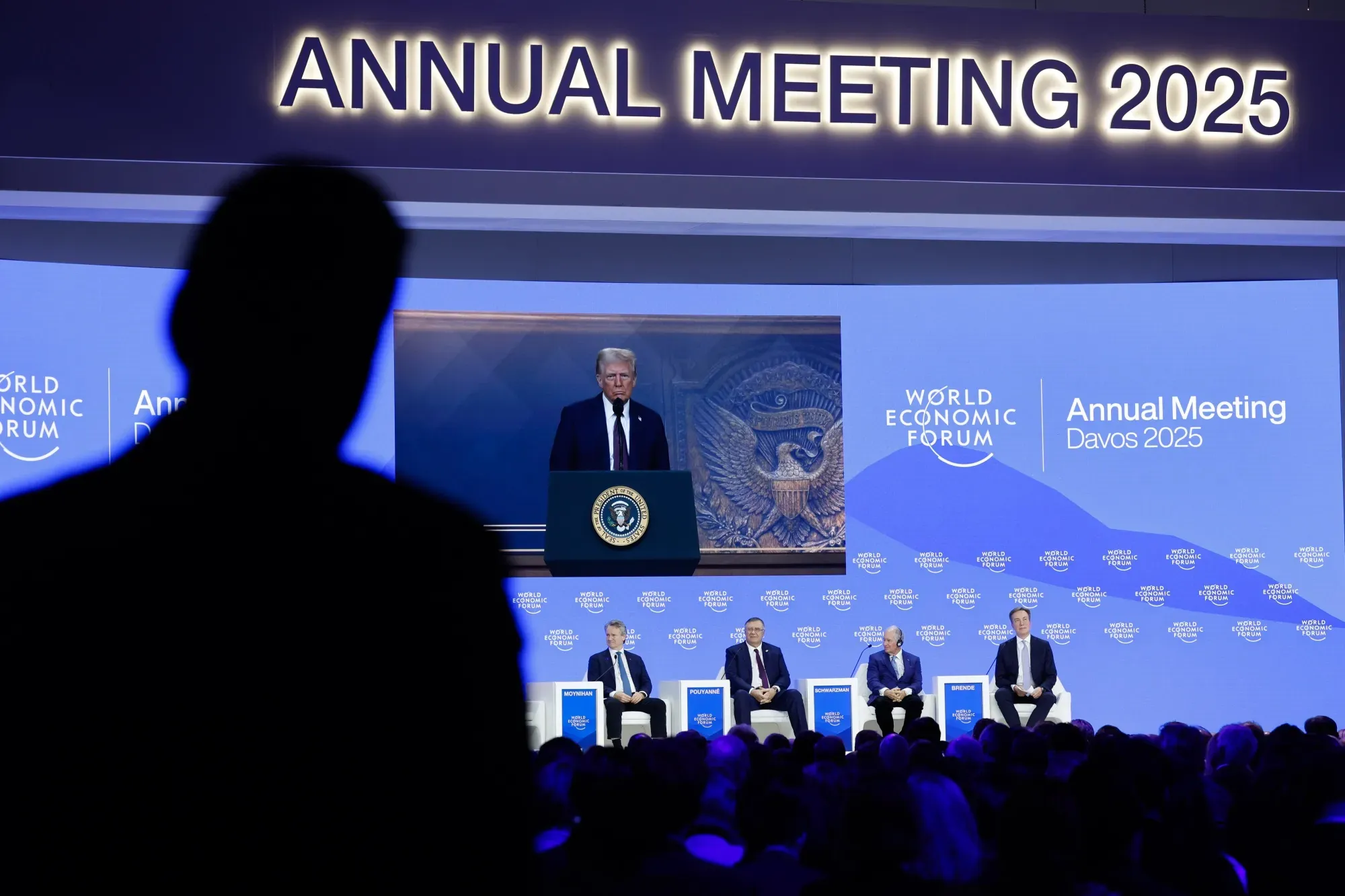
Trump’s Stance on Energy and Interest Rates
He said oil price quotes have "to come down dramatically." Additionally, Trump was a vocal proponent for cutting interest rates "immediately" to get back the "gleam in their eyes," referencing a previous state when, according to him, "under Biden," rates had contributed to the country's instability in its economy.
He urged boosting coal production as the resource powering data centers used in artificial intelligence.
Trump's call on OPEC to lower oil prices is a strategic move to apply economic pressure on Russia and solidify dominance of U.S. energy. However, how probable that would be, only the determination of OPEC and the intricacies of the global energy market can answer. Therefore, in the face of changing geos political dynamics, Trump's energy and trade policies are sure to get many debating.
FAQs
Why does Trump call OPEC to bring down oil prices?
Trump sees that low oil prices will limit Russia's capabilities to fund the war in Ukraine, and it benefits American consumers at the same time.
How did oil respond to comments from Trump?
Oil prices lost 1 percent after his words, which signals a short-term market reaction.
Is Saudi Arabia going to follow Trump's call?
Nobody knows. From the economic incentive perspective, Saudi has much to lose by letting prices rise, and every decision would depend on more comprehensive strategic consideration
What does Trump's tariff stance mean for global trade?
His protectionism will increase tensions in trade, as trade war will impact supply chains as well as economic relations globally.
What is Trump's broader energy strategy?
Trump proposes higher domestic energy production, which includes more coal and oil in order to enhance U.S. energy independence and economic growth.