Trump to Tariff Chips Made in Taiwan, Targeting TSMC: A Game-Changer for the Tech Industry?
Trump plans tariffs on Taiwan-made chips, targeting TSMC and affecting Apple, AMD, and Nvidia. The move aims to boost U.S. production but risks raising prices and disrupting global semiconductor supply chains.

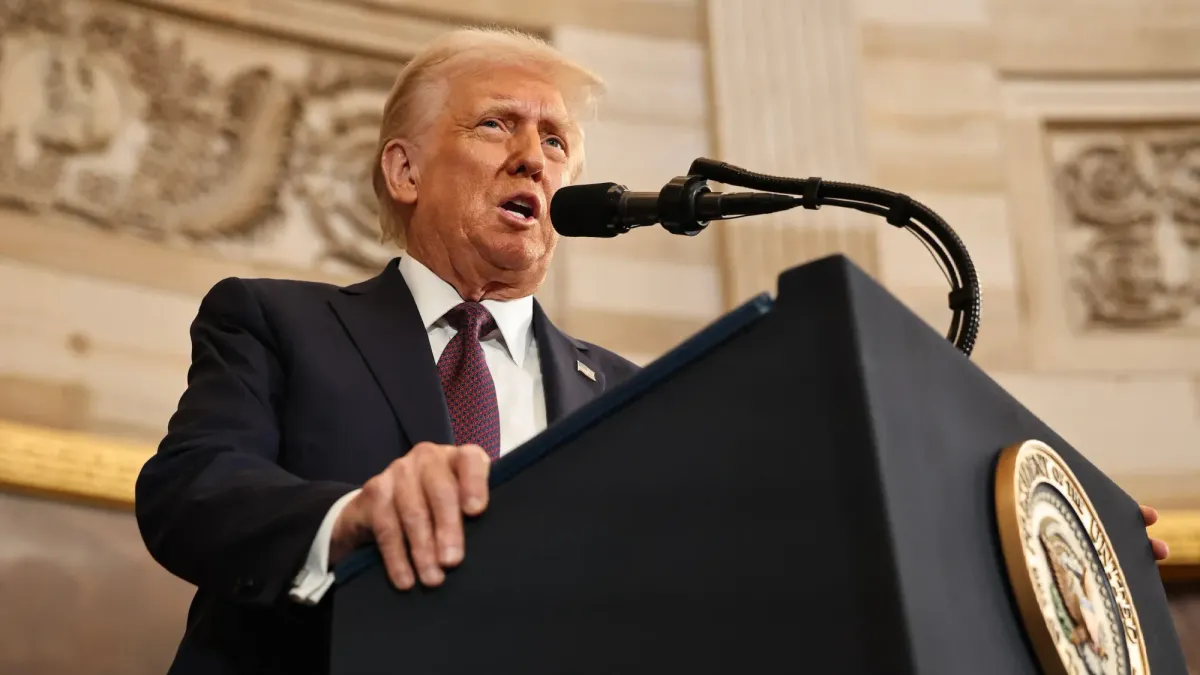
The Trump administration will place tariffs on semiconductors produced in Taiwan-a move, significantly set to target TSMC. Big winners of the move may include big U.S. technology companies including Apple, Nvidia, AMD, and Qualcomm. The article explains the reasons, potential effects, and responses of industry stakeholders to this 'bold move'.
Trump's Rationale: Bringing Chip Production Home
Trump has argued that the U.S. semiconductor industry has become overly reliant on foreign manufacturing, particularly in Taiwan. In a speech to Republican supporters, he stated:
“In the very near future, we’re going to be placing tariffs on foreign production of computer chips, semiconductors, and pharmaceuticals to return production of these essential goods to the United States.”
His plan suggests that high tariffs—potentially up to 100%—will push chipmakers to relocate manufacturing to the U.S.
Impact on Major U.S. Tech Companies
Apple
Apple relies on TSMC for its cutting-edge A-series and M-series chips. A tariff on TSMC chips could force Apple to either absorb higher costs or pass them on to consumers.
AMD & Nvidia
Both AMD and Nvidia rely on TSMC for their leading edge GPUs and processors. A tariff might disrupt supply chains and drive up costs on gaming consoles, laptops, and AI hardware.
TSMC Response: A Balancing Act
TSMC has initiated expansions in Arizona but the heart of its manufacturing operation is still based in Taiwan. It is likely to quicken its U.S. investments due to Trump's tariffs, though such shifts take time.
Comparison with the CHIPS Act
Biden's CHIPS and Science Act provided more than $52 billion in incentives for semiconductor manufacturing in the U.S. Trump was critical of this approach, saying that subsidies were not needed and that tariffs would be a better incentive for companies to bring production to the United States.
Economic Effects of the Tariffs
Increased Consumer Prices
If tariffs are enacted, prices on electronics—such as smartphones, laptops, and gaming consoles—are expected to increase. Companies may raise costs to consumers or find alternative chip suppliers.
Supply Chain Disruptions
Building semiconductor fabs in the U.S. takes years. In the short term, tariffs can cause supply shortages across industries from consumer electronics to automotive manufacturing.
Impact on U.S.-Taiwan Relations
Taiwan is a strategic partner of the United States. Its semiconductor industry faces tariffs, straining diplomatic ties and pushing it closer to the influence of China.
Industry Response
Intel's View
Intel, which is TSMC's biggest competitor, was allocated $7.9 billion through the CHIPS Act to expand U.S. production. Intel stands to gain more from reduced competition, but the industry experts said that a dramatic shift in semiconductor production is impossible overnight.
Tech leaders from Apple, Nvidia, and AMD have expressed concerns about potential supply chain instability and rising production costs.
Will Trump’s Plan Work?
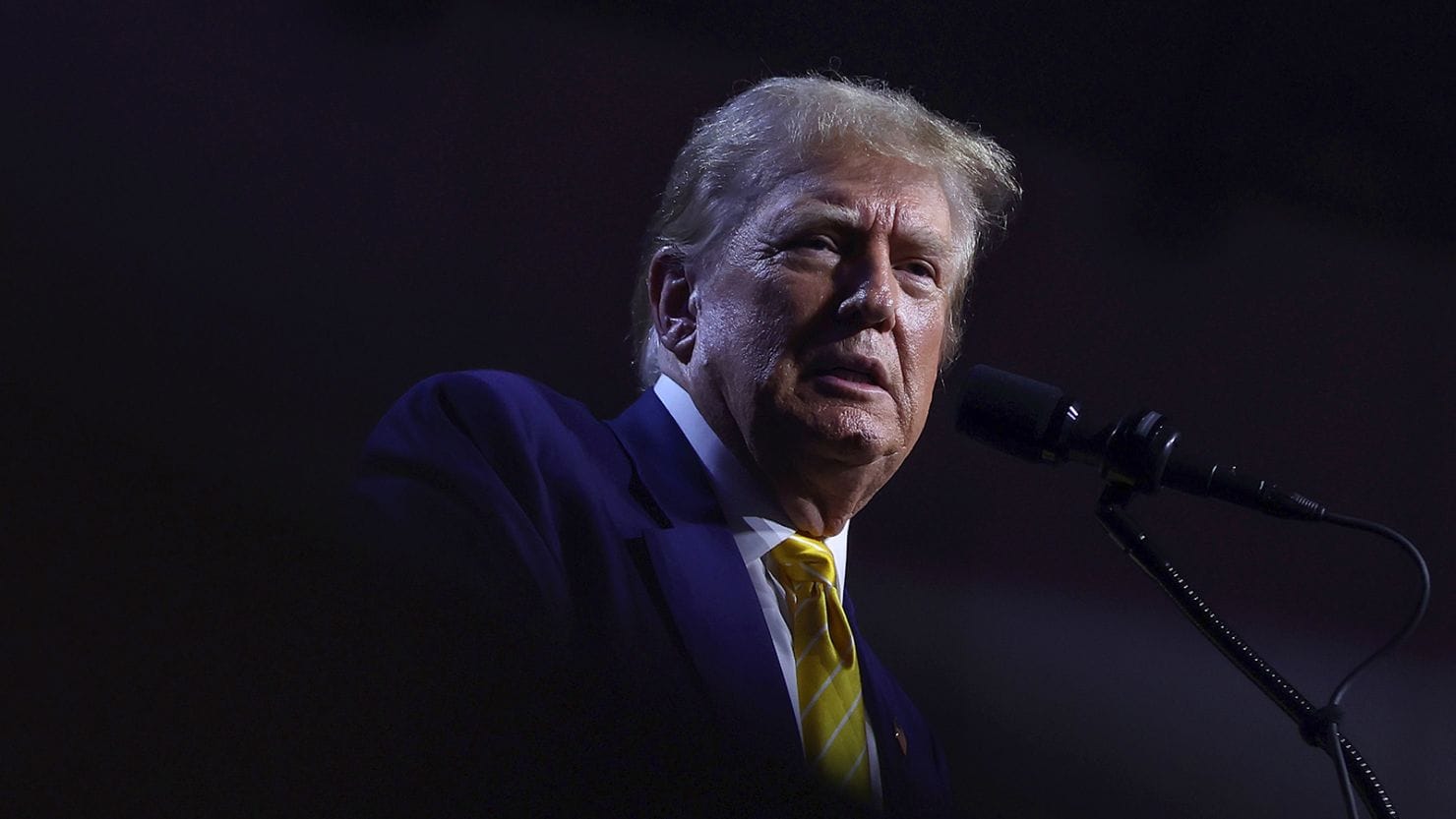
While tariffs may incentivize companies to move production to the U.S., they also risk immediate economic disruption. Semiconductor fabrication is an expensive, complex process, and relocating supply chains cannot happen overnight.
Trump's proposed tariffs on Taiwan-made chips represent a bold gamble to bring semiconductor manufacturing back to the U.S. At the same time, the short-term risks involved are manifold: higher prices for those very electronics, and strained international relations. As the situation unfolds, the tech industry and policymakers alike must carefully balance economic strategy with global trade realities.
FAQs
How will the proposed tariffs by Trump impact the average consumer?
The tariffs may increase the price of smartphones, laptops, and gaming devices as companies pass on the increased costs to consumers.
Will TSMC shift its production to the U.S. because of these tariffs?
TSMC has already started expanding its U.S. operations, but shifting large-scale production from Taiwan will take years.
How does this compare to Biden's CHIPS Act?
Biden's CHIPS Act subsidizes U.S. semiconductor manufacturing. Trump is doing this with tariffs, hoping companies will relocate.
Is this tariff policy a threat to the global semiconductor supply chain?
Absolutely. Tariffs create supply shortages, and it could impact the bottom line of the tech companies dependent on Taiwan chip production.
Which are the top four sectors that will be most significantly impacted by these tariffs?
Consumer electronics, AI, and auto industries will have the most sway, as these sectors rely heavily on TSMC semiconductors.