Trump Team Plans to Deregulate U.S. Self-Driving Car Standards to Promote Innovation
The Trump administration is advocating for relaxed regulations on self-driving cars to accelerate innovation and adoption, aiming to position the U.S. as a global leader in autonomous vehicle technology.

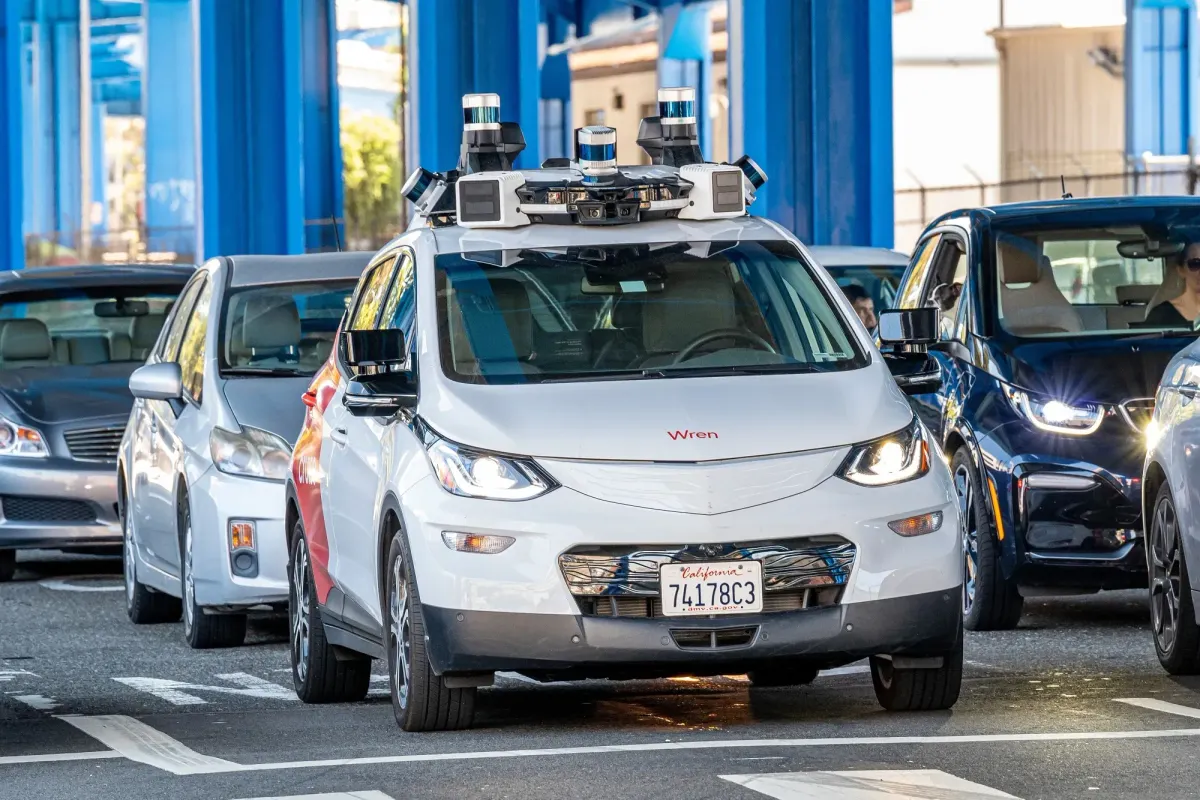
The Trump administration's team has proposed easing restrictions on self-driving cars, which is a massive shift in U.S. transportation policy. It is supposed to facilitate innovation and further expedite the development and adoption of autonomous vehicle technology nationwide. As the United States competes globally to lead in the self-driving car market, relaxing regulatory requirements may facilitate faster deployment of AV technology while enticing industry players to invest and expand operations domestically.
The primary impetus for this regulatory shift is the obliteration of existing barriers in self-driving vehicle design and manufacturing/technology developers' testing. Standards regarding traditional manufacturing of cars were based on human-driven vehicles, which often placed self-driving cars and their completely different functions and operations under restrictions not applied directly to them. For example, current regulations require that self-driving cars include mechanical things like steering wheels and brake pedals, although they are not really needed for autonomous cars because they do not have human drivers. The Trump administration uses the reviewing process to potentially eliminate such outdated features in order to create favorable conditions for self-driving vehicles.
According to DOT, such a policy change will act as a catalyst and drive economic and technological opportunity not only in the automotive but also in the tech industry. The administration argues that with less restrictive conditions of regulation, the leading established auto manufacturers and the tech companies are more likely to invest more heavily in development in the United States. Companies will not sit idle waiting for international approvals or testing elsewhere in other countries; instead, they will work domestically contributing to job growth and the advancement of domestic manufacturing and tech industries.
However, the push for fewer regulations has sparked a debate on safety. Opponents argue that reducing regulatory oversight could result in higher risks for consumers and pedestrians. Self-driving technology, though promising, is still evolving and has encountered issues during tests, including accidents caused by technical errors or software malfunctions. Consumer and safety advocates are pushing for a cautious approach, suggesting that even harder regulations apply until there is more reliable data to back up the broad-based use of autonomous cars. In this regard, they contend that public safety is a good enough argument for retaining certain standards while self-driving technology continues to evolve.
It further presents more focused R&D programs to be maintained in new releases of vehicles for safety aspects. Secondly, collaborations with institutions from various industries, universities, and research institutions are considered to accelerate AV development. Moreover, the Department of Transportation considers how the new vehicles will integrate into prevailing traffic laws and traffic infrastructure on the roads.It reflects a thin line between innovation and public safety. Self-driving car proponents believe that these cars would encourage safer rates of accidents, reduce traffic congestion levels, and offer transportation solutions for the elderly, children, and those who cannot drive themselves. Finally, rolling back some of those regulations is a step toward the future of autonomous driving, though it remains to be seen how quickly and safely it will be adopted into everyday life. If self-driving vehicles are the new norm, the revolution in the face of U.S. transportation is within reach, but policy considerations carefully entered and cooperation between those federal agencies and industry stakeholders and consumer advocacy groups may make that a reality.