Trump Pushes to Abolish Income Tax: Tax Foreign Nations, Enrich Our People
US President Donald Trump renewed his call to eliminate income tax, advocating for tariffs on foreign goods as an alternative revenue stream to boost economic growth and increase Americans’ disposable income.

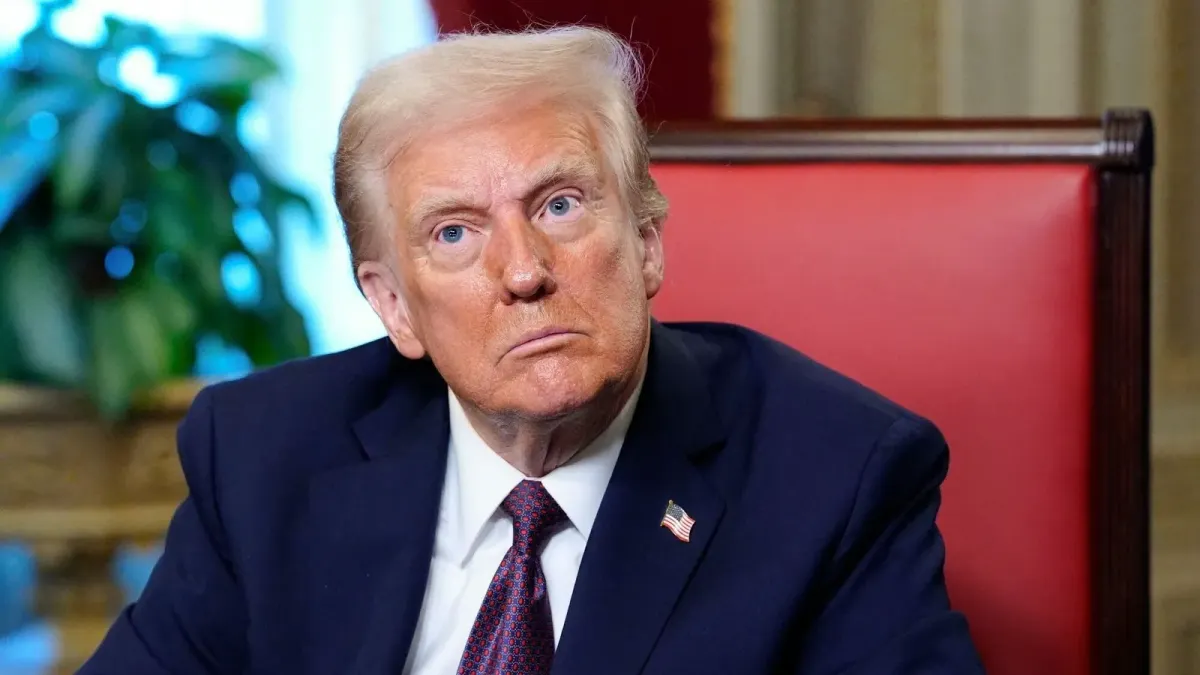
Trump's bold proposal: Eliminate income tax for economic growth
In a historic declaration, ex-US President Donald Trump mooted a fundamental change in the country's taxation order. He sought an end to income tax altogether and advocated a return to tariffs to raise revenue and create economic prosperity among American citizens. His idea is to revive what he refers to as the "system that made us richer," by replacing current income tax with tariffs on importation.
Why Trump Wants to Wipe Away Income Tax
Higher Disposable Income for Americans
Abolishing income tax would increase the disposable income of Americans, allowing individuals and families to save more, spend more, and help invest in the economy, according to Trump.
Resuscitating Historical Economic Models
He refers back to the history, particularly the 19th-century economic model wherein the government revenues were mainly composed of tariffs arguing that such a model had led to economic growth and national wealth.
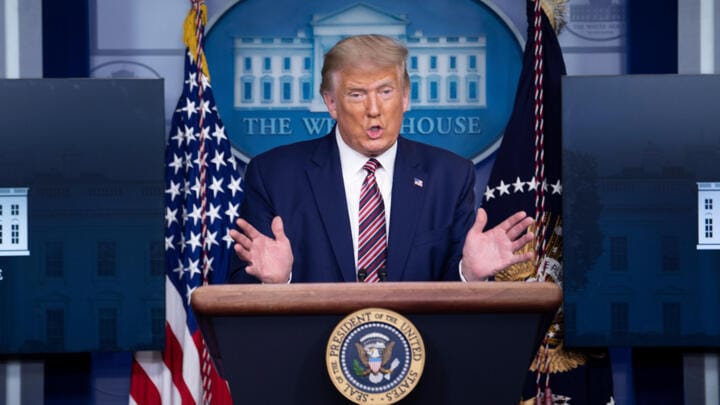
Reducing Government Dependence on Personal Income
Trump believes income tax is an unnecessary burden on the American worker and that moving taxation to imports would make the government dependent less on citizen's wage.
The Role of Tariffs in Funding the Government
Import Tariffs
Trump's proposal is to increase tariffs on imported goods so that foreign firms pay more for the US economy and promote domestic production.
Strengthening American Industries
Trump will tax foreign goods so that American industries are strengthened, outsourcing is minimized, and the local production level is increased.
Taxation without Citizens' Taxation
Traditionally, tariffs generated a lot of revenue for the federal government, and Trump feels that this model can be easily revived.
Obstacles and Issues
Potential Rise in Consumer Prices
Increased import tariffs may result in higher consumer goods prices, which may raise the cost of living.
Effect on Trade Relations
The change may trigger trade wars with key global trading nations, which will retaliate through economic measures.
Shortfall in Government Revenue
Because income tax forms a large percentage of federal revenue, opponents claim that tariffs are insufficient to meet government expenditure.
Support and Opposition
Supporters' Argument:
Advocates claim that ending the income tax will give power back to the citizens financially.
It could make the US economy more domestic since it promotes home production.
For many conservatives, it is the best way to control the government over personal earnings.
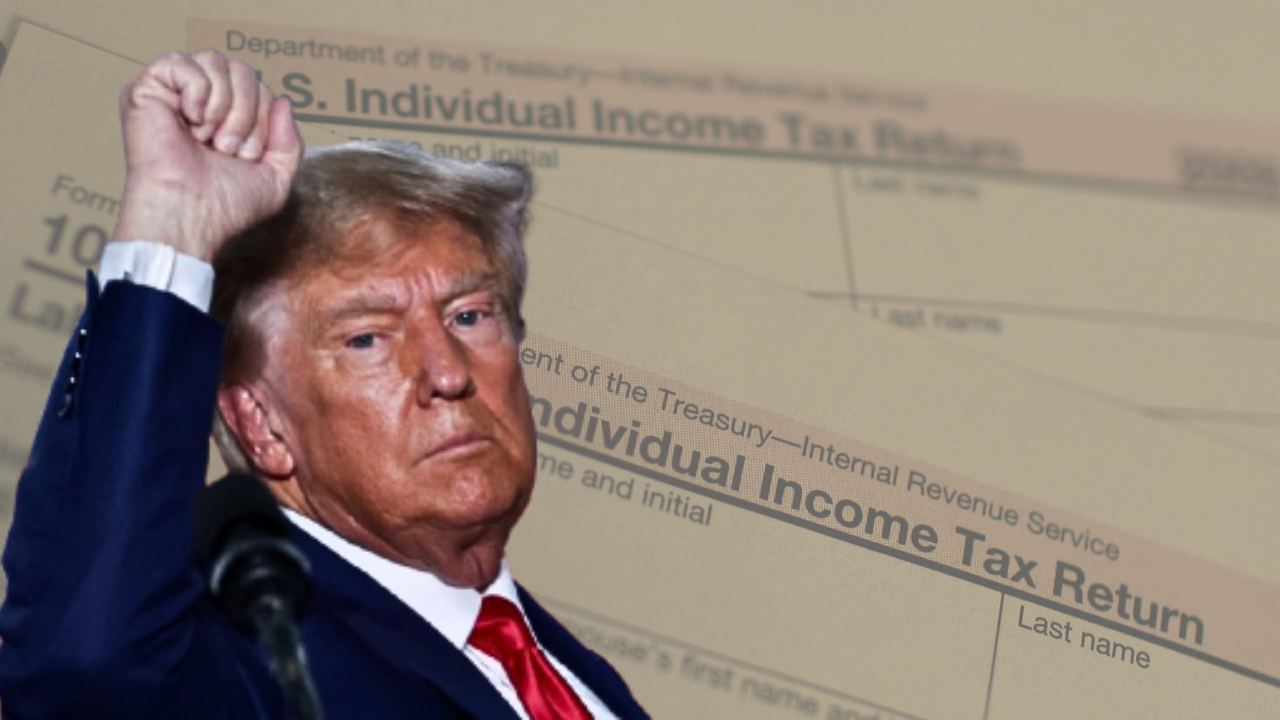
Critics:
Economists are against inflation and less international competitiveness.
Others fear that a mass budget cut may be required for the removal of income tax in place of tariffs.
Trade partners may retaliate, causing negative effects on exports and the overall trade agreement.
Trump's Future
Trump has promised to push this proposal vigorously and make it an integral part of his campaign strategy. If this policy is enacted, then it would demand significant legislative change and approval by Congress, where it will be heavily debated.
FAQs
How would the abolition of income tax help average Americans?
Abolishing income tax would mean that people could spend and invest more, and this could positively affect the economy.
Could tariffs on their own pay for the federal government?
While tariffs did bring in substantial revenue in the past, economists contend that tariffs may not entirely offset income tax unless spending is severely reduced.
What effect would this have on the cost of living?
More tariffs on imported goods would lead to higher prices and higher consumer cost for most daily goods.
What are the risks in such a transition?
Major risks include the trade tensions, inflation, and potential job losses in industries dependent on imports.
Has the US ever gone without an income tax before?
Yes, until 1913, the US relied mainly on tariffs and excise taxes; however, a direct return is difficult because the economy is so vastly different.
A tariff-based economy proposed by Trump would mean the end of income tax; it is bold and controversial, and while promising to some extent, carries with it risks and challenges of great proportions. Whether or not this idea takes off remains in the hands of economic feasibility, political support, and the impact it would have on American households and businesses.