Trump Plans to Enact 25% Tariffs on Mexico, Canada by Feb. 1
President Donald Trump has announced plans to impose 25% tariffs on Mexico and Canada by February 1, citing concerns over undocumented migration and drug trafficking, sparking international economic and diplomatic tensions.

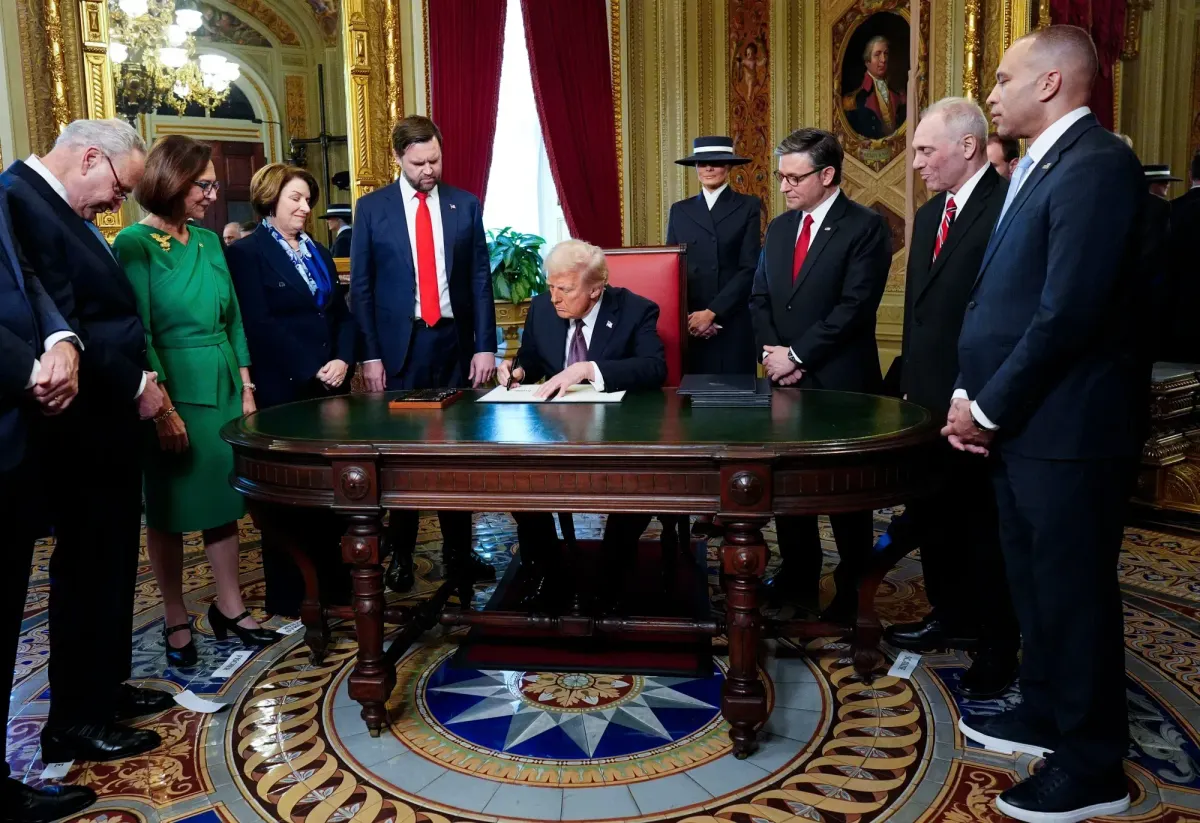
Once again, President Donald Trump brought trade policy to the top of his agenda when he unveiled a plan to levy up to 25% in tariffs on imports from Mexico and Canada. This move is more focused on ending the unauthorized influx of people and the introduction of fentanyl into the United States as announced in his first Oval Office address since his inauguration. This has brought anxiety among economists, trading partners, and lawmakers about the far-reaching effects of such a policy.
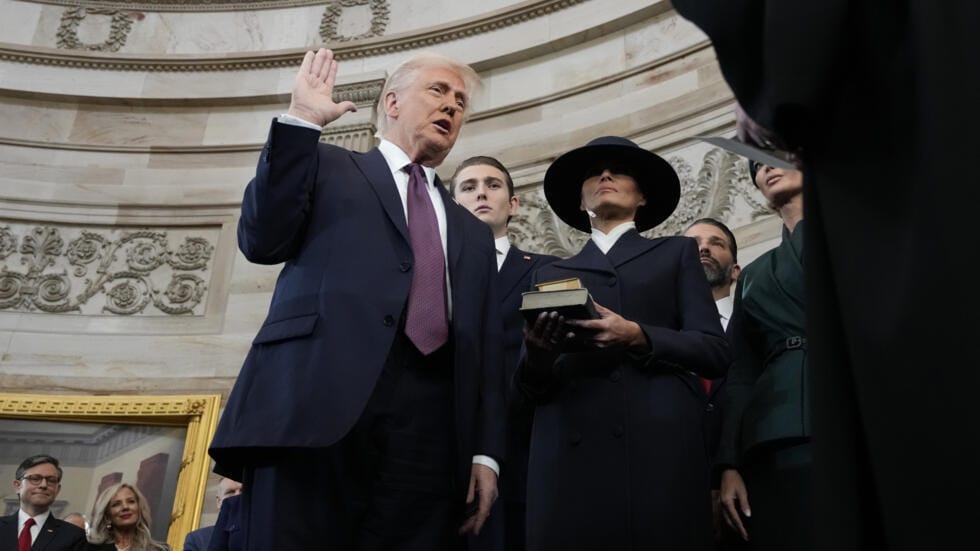
Background on Trump's Trade Policies
Trump has been consistent on protectionism since the campaign when he declared his intentions to enforce tariffs for America's job and industries security. He applied the same line of reasoning, national security, and unfair practices to justify applying tariffs on steel and aluminum as well as Chinese imports during his first term. It is an extension of such an approach-the imposition of new tariffs on Mexico and Canada is to oblige the neighbours to do better in controlling border crossings and anti-narcotic trafficking.
Why the Tariffs
Immigration Control - Trump has consistently attacked Mexico for not doing enough to stop the flow of illegal immigrants into the United States. The tariffs are perceived as a bargaining chip to force greater border control.
Combatting Drug Trafficking - With fentanyl overdose cases on the increase in the United States, Trump asserts that Mexico and Canada must step up efforts to prevent the flow of illicit drugs across their borders.
Economic Policy- The tariffs form part of the larger move towards bringing back production to America by encouraging firms to rely more on domestic labor rather than imports.
Effect on Mexico and Canada
Mexico
Mexico is one of the biggest trading partners of the U.S. with goods and services flowing freely under the United States-Mexico-Canada Agreement (USMCA). A 25% tariff would severely impact the Mexican economy, especially automobile manufacturing, agriculture, and consumer goods. The Mexican government has vowed to challenge the tariffs under the USMCA framework, warning of retaliatory measures.
Canada
Another key trading partner is Canada, which exports significant amounts of raw materials and finished products to the U.S., including steel, lumber, and energy resources. The tariffs may increase the cost of some of these for American consumers and businesses and could strain diplomatic relations between the two countries. The Canadian officials are worried, and some have demanded that there be immediate negotiations to avoid an economic standoff.
Economic Consequences for the U.S.
Economists note that the tariffs will have knock-on effects such as:
Higher Consumer Prices - Firms are likely to pass the additional costs on to consumers in terms of inflation.
Supply Chain Disruptions- Many American industries rely on supply chains that touch Mexico and Canada. These are going to be hit negatively.
Retaliatory Tariffs- Mexico and Canada could impose retaliatory tariffs on the U.S. goods, hurting the American farmer and manufacturer.
Volatility of the Stock Market - Often, financial markets react negatively to trade uncertainties that lead to economic instability.
Political Responses
Responses have been mixed for Trump's declaration:
Republicans - While some of the conservative lawmakers embrace the move as a way of strengthening national security, others have expressed concern regarding its impact on businesses and the economy.
Democrats: Generally, the opposing party has mainly criticized the tariffs, indicating they will damage the interests of the American workers far more than those supposed to curb the issues on immigration and drug trafficking.
International Reaction: The nations of Mexico and Canada have generally rebuked the tariffs as "unjustified" and as destructive to the North American economic stability.
Possible Outcome and Future Scenario
Negotiation & Delay: Mexico and Canada might negotiate with the US not to enforce the tariffs and would give concessions to US over border security issues.
Legal Challenge: Both can take it as a legal dispute issue against US in the mechanisms provided in the USMCA that would lead to delays.
Implementation & Retaliation: The trade war between US and the two will erupt in case of imposition of the tariffs by the US.
Policy Reversal - If the economic effect and public opinion turn out negative, the government might change or repeal the tariffs.
Trump's plan to charge 25% tariffs on Mexico and Canada marks a completely new development in the U.S.'s attitude on its closest allies. His long-held position on the border security and economic nationalism is embodied in this move, but creates concerns regarding the economic, diplomatic, and retaliatory implications. As the deadline of February 1 approaches, the world waits with bated breath to understand whether negotiations can prevent full-blown conflict on trade fronts.
FAQs
Why is Trump imposing 25% tariffs on Mexico and Canada?
Trump says Mexico and Canada haven't done enough to stop the flow of undocumented immigrants and drugs, including fentanyl, into the United States. He says the tariffs will force the two countries to act more aggressively against these issues.
What will this do to American consumers?
Higher tariffs on imports from Mexico and Canada would result in higher prices for everything from automobiles and electronics to farm products, as the costs are passed along to consumers.
Would Mexico and Canada retaliate against these tariffs?
Yes. Both Mexico and Canada have threatened to impose retaliatory tariffs on American goods, which could hurt U.S. farmers, manufacturers, and other industries that rely on exports.
Are these tariffs legal under the USMCA?
The legality of these tariffs under the United States-Mexico-Canada Agreement is questionable. Mexico and Canada may be able to challenge them through the dispute resolution mechanisms under the agreement, which would delay their implementation.
What happens if the tariffs take effect on February 1?
If implemented, this might provoke a trade war that brings economic uncertainty, market instability, and even strained diplomatic relations between the U.S., Mexico, and Canada. It may escalate into negotiation to find a solution.