Trump Defends Saudi Crown Prince over Khashoggi Killing, Rejecting U.S. Intelligence

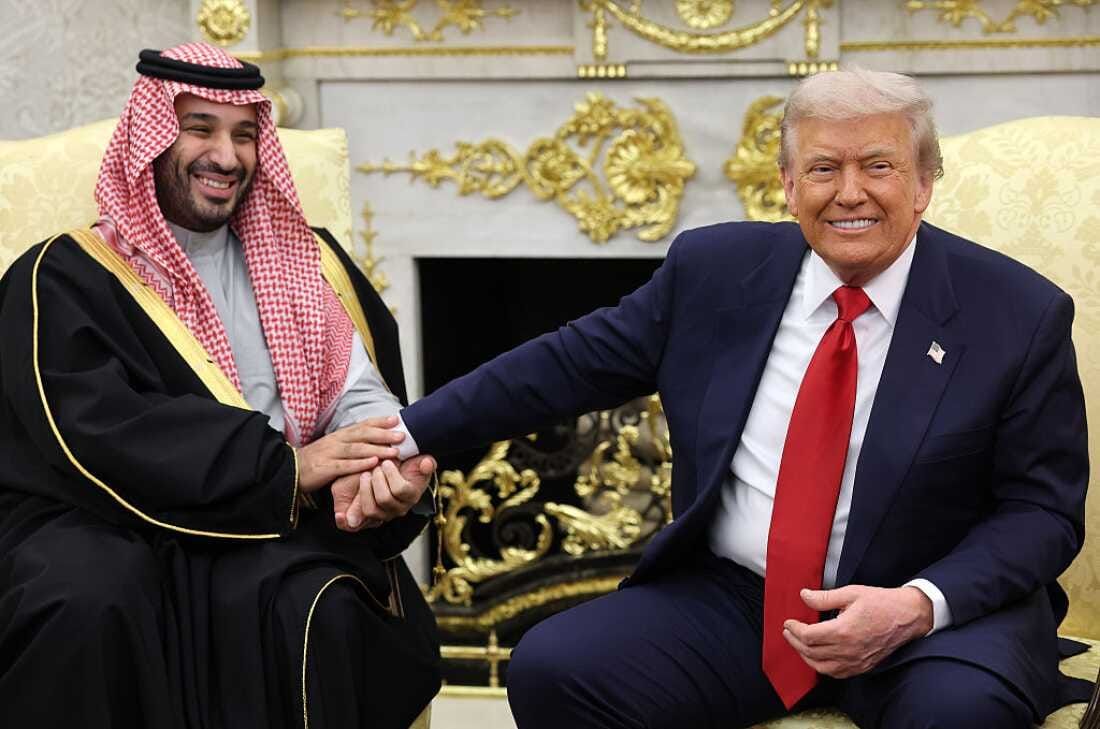
During a high-profile Oval Office meeting on November 18, 2025, former President Donald Trump publicly defended Saudi Crown Prince Mohammed bin Salman when a reporter raised the question of his alleged role in the 2018 murder of journalist Jamal Khashoggi. Rather than acknowledge U.S. intelligence findings, Trump minimized them — asserting that MBS “knew nothing” about the killing.
When an ABC News reporter asked bluntly why Americans should trust MBS given the U.S. intelligence conclusions, Trump reacted sharply. He called the question “insubordinate,” labeled the reporter “terrible,” and even floated revoking ABC’s license.
Contradicting U.S. Intelligence
Trump’s defense stands in contrast with a 2021 U.S. intelligence assessment, which determined that MBS likely ordered the hit on Khashoggi. Political observers and foreign-policy experts broadly accept that CIA conclusion.
When pressed, Trump described Khashoggi as “extremely controversial” and suggested his murder was an unfortunate but detached event: “Things happen.”
MBS’s Response and the Transactional Reality
In response to the question, Crown Prince Mohammed labeled Khashoggi’s death “painful” and “a huge mistake.” He said that Saudi Arabia has “improved our system” to prevent similar incidents. But he also denied personal responsibility.
Far from a condemnation, the meeting underscored the transactional nature of the U.S.-Saudi relationship. Trump touted upcoming deals — including a proposed sale of F-35 stealth jets to Saudi Arabia — and praised MBS’s leadership, calling him “one of the most respected people in the world.”
The Bigger Picture: Power, Business & Values
The moment reveals more than just a diplomatic exchange: it highlights how strategic and business interests are still shaping U.S.–Saudi ties. Trump defended MBS not only as a political partner but framed him as a friend who has made noteworthy “human rights” progress — without offering much by way of hard evidence.
Critics say that brushing off the killing of a journalist in this way weakens moral accountability in international relations. For Khashoggi’s widow, words like “things happen” and “embarrass our guest” are far from consolation.
Why This Matters
- Accountability vs. Realpolitik: The clash underscores a core dilemma: how much should human rights weigh against geopolitical alliances and economic deals?
- Precedent for Future Leaders: Trump’s overt defence of MBS — even in light of intelligence findings — may send a signal that powerful figures can evade consequences.
- Media Freedom Under Strain: The aggressive pushback on the reporter’s legitimate question raises concerns about how dissenting voices are treated in high-stakes political theater.
Final Thought
At its heart, this exchange wasn’t just a diplomatic photo-op. It was a stark reminder of how power, business, and memory collide. Trump’s strong backing of MBS, paired with his dismissal of the intelligence community’s findings, reflects a relationship where strategic gain takes precedence over confrontation — even when it comes to the brutal slaying of a journalist. And for many, that’s a choice with profound moral and global implications.