Tokenizing the Future: Andy DeFrancesco Became the House of Doge’s Vision

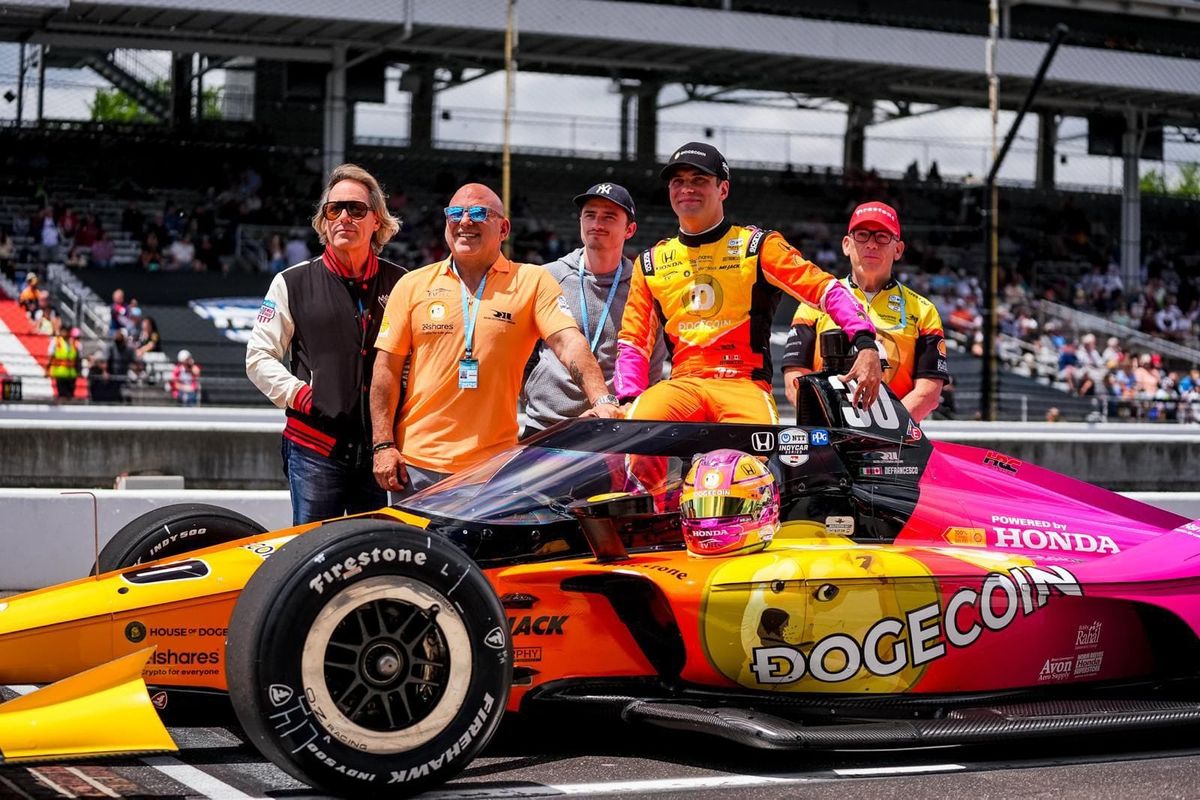
The vision behind tokenization didn’t begin in a boardroom — it started at home. When Andy DeFrancesco’s son, Lachlan, was 19, he began buying rare collectibles and trading cards, sometimes worth tens of thousands of dollars, in small syndicates with friends. But it wasn’t just the thrill of ownership that captured his imagination — it was the model itself.
After attending a Barrett-Jackson car auction, Lachlan noticed that thousands of fans were paying to see their favorite cars, yet only a handful could ever bid. He asked a question that sparked a movement: What if the velvet ropes came down? What if car enthusiasts everywhere could collectively own the assets they loved?
That question became the seed of McQueen Labs, named in honor of screen and car legend Steve McQueen. Lachlan’s idea was simple yet revolutionary — fractionalize ownership of high-value assets like exotic cars through blockchain technology. But his ambition didn’t stop there. He envisioned a platform that could extend beyond cars to real estate, art, collectibles, sports assets, and even precious commodities like gold.
When Andy introduced Lachlan and his partners to Tim, Pat, and Jens at the Dogecoin Foundation, the alignment was immediate. Together, they saw an opportunity to merge cultural capital with financial innovation — to build a tokenization ecosystem powered by the Dogecoin blockchain. That partnership evolved into what is now House of Doge, a company aiming to make tokenization accessible, regulated, and real.
DeFrancesco’s entry into tokenization wasn’t coincidental. After years in capital markets and venture investing, he recognized that ownership itself was ready for disruption. With House of Doge, he shifted from backing innovation to architecting it. Instead of simply investing in technology, he began building the rails for it.
Tokenization — the process of converting assets into fractional digital representations on a blockchain — may sound technical, but its implications are universal. For Andy and Lachlan, it’s about reimagining how people participate in value creation. By opening investment opportunities once reserved for the wealthy, tokenization can democratize access to assets that were previously out of reach.
A key milestone was the company’s public listing via a reverse takeover, placing House of Doge on Nasdaq under Brag House Holdings (TBH). The move provided the capital and regulatory infrastructure needed to scale responsibly. It marked a shift from community concept to enterprise execution — a leap few digital projects achieve.
Still, Andy emphasizes that tokenization is a long game. The regulatory landscape remains fluid, but progress is visible. SEC Chair Paul Atkins recently launched Project Crypto, an initiative to establish a clear framework for digital asset innovation. He’s publicly stated that tokenization is “job one” for the SEC — a sign that mainstream finance is catching up with the vision House of Doge has been building toward.
House of Doge’s vision of bridging two worlds: the cultural roots of Dogecoin and the institutional discipline of traditional finance. From fractionalizing luxury assets to building compliant payment rails, the company is proving that digital ownership can be both accessible and accountable. Its partnerships — spanning blockchain engineers, consumer brands, and financial institutions — reflect a balance between innovation and integrity.
For Andy DeFrancesco, tokenization isn’t about speculation or hype. It’s about participation. It’s about turning spectators into stakeholders and transforming markets that were once closed into ecosystems that are open. And as he often says, the smartest leaders are the ones who recognize when the next generation is already holding the map.
In that sense, House of Doge is more than a company — it’s a family legacy built for the future of global capital markets.