Tips for Staying Debt Free

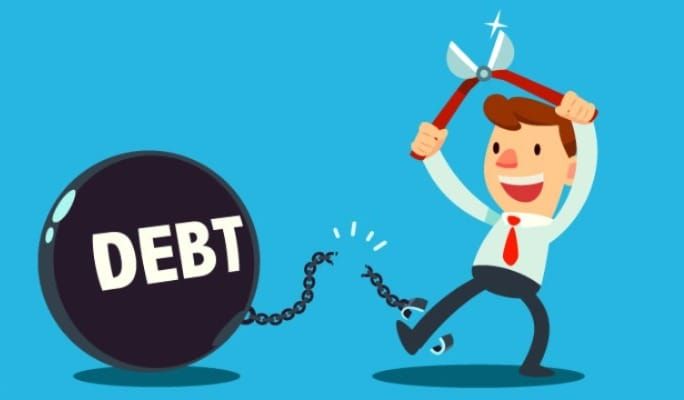
For many, becoming and remaining debt-free is but a dream. The idea that you could freely live a debt-free existence, without the stress that comes with constant financial obligations, can seem like something too fanciful to consider. There are title loans in Louisiana and other states available for everyday people like you, who occasionally needs cash for emergencies. Not all debt is bad debt, after all.
But the fact is that there are steps you can take to get and stay debt free. Here they are.
What is Good Debt?
There’s good debt and bad debt. Generally, good debt is that which is meant to help you achieve meaningful growth in your finances or personal like. A mortgage or student loan is a good example. On the other hand, bad debt is used for purchases that will not raise your net worth or future income.
What Can I Do to Live Debt-Free?
There are strategies for living a debt-free life, such as:
Determine What Debt-Free Means to You
There are no one-size-fits-all situations here. Thus, you need to first figure out what living debt free means to you. Does it mean no debt at all – no credit cards, for example – or does it mean paying off your card balance each month. Determine what your goal is.
Determine Your Debt Load
You can’t really assume a debt-free mindset without knowing precisely where you stand, debt-wise. You can better assess your options for getting rid of debt if you know your debt-to-income ratio, which is all your monthly debt payments divided by your gross monthly income.
Pick a Debt Payoff Method
These are some popular and effective ways to pay off your debts, short of bankruptcy:
■ Debt avalanche. With this method, you focus on paying off the debt with the highest rate while paying the minimum on your other debt. Once you’ve paid that card off, move onto the debt with the next-highest interest rate.■ Debt snowball. Here, the priority is erasing your lowest balance first while paying the minimum on your other accounts. Once you do that, add the amount you were paying to your minimum payment on the next-highest balance.■ Debt relief. It’s not for everyone, as your credit will be damaged while your bills are being settled. But if you can’t see yourself paying off your credit cards, personal loans, or medical bills within five years, debt relief may be worth pursuing.■ Debt consolidation. With this method, all your high-interest debt is rolled into a single payment at a lower interest rate. Your debt may be more manageable and faster to pay off.
Establish a Budget and Emergency Fund
What’s the most effective budget? One that works for you. It’s smart to get a handle on where your money’s going – needs vs. wants – then figure out ways to cut back. Just be sure your budget is not so stringent that you set yourself up for failure. Be realistic. There are budgeting apps that can help.
While you’re at it, establish an emergency fund of six months of living expenses, so that you’re not going into credit card debt every time there’s an unexpected expense. Such emergencies are inevitable. Begin with as little as $1,000 and continue building.
In Summary
You didn’t get in debt over night. But if you are deliberate about making the right moves, while practicing patience and determination, you can become debt free and stay that way. It’s an ultimately attainable life of financial freedom.