This Year’s MLB Draft Feels Different — Where Are the Prospects?

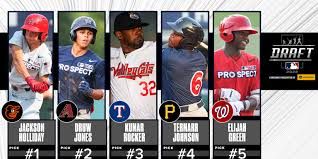
The first two days of the 2025 MLB Draft have drawn the spotlight on team strategies and selections. But notably absent is one of the draft’s usual stars: the players themselves. Experts say there's a lack of standout talent this year, and that sentiment is shaping how teams are approaching their picks.
A Top-Heavy Draft, But Not by Much
Traditionally, MLB drafts feature a clear-cut star at the top of the class. This year? Not so much. Instead of a can’t-miss prospect, teams are finding themselves choosing cautiously, saving money by drafting under slot value, or reaching for upside beyond the usual consensus rankings. That uncertainty is a key reason why this draft feels “off.”
Teams like the Nationals and Angels are making smart budget decisions by picking high-upside but less celebrated players and reserving funds for later rounds. It’s a dynamic shift that underscores both the perceived weakness at the top and a broader trend toward strategic bankroll management.
Bargain Picks Over Blue-Chip Bets
With fewer surefire stars available, teams are focusing on value. Instead of boldly drafting elite names, selections like Eli Willits, a switch-hitting prep shortstop taken first overall, and Tyler Bremner, a college pitcher drafted second, signal intentional decisions to save on signing bonuses. Front offices are looking at players who may develop into stars, even if they require more time and discovery.
A Notable Number of Shortstops
One clear trend: 17 shortstops were taken in the first round alone — a draft record. That bins the shortstop pool into an unusually crowded field, suggesting both depth at the position and possible position-forward movement as players move through development. Teams clearly prioritized athletic infielders in this class.
Family Ties and Storylines
Mixed in with the uncertainty are compelling narratives. The Nationals’ pick of Willits, the youngest-ever No. 1 since Ken Griffey Jr., brings star potential tied to MLB lineage. Meanwhile, Ethan Holliday, son of former Rockies standout Matt Holliday, went fourth overall to Colorado—highlighting baseball bloodlines and the appeal of legacy prospects.
But even with names and stories, teams are cautious—evidence that lineage isn’t a substitution for evaluated talent.
Fan Sentiment and Media Coverage
Industry insiders are describing this draft as less infectious than previous years. There’s less buzz about generational players like those in past classes, and more calculated analysis. Prospects that would have once soared on hype are now reviewed with greater scrutiny—no hyperbole yet.
That tension comes through in draft coverage: while there are intriguing storylines, the broader mood from media and fans reflects a level of impatience with this year’s less-dominant class .
What It Means Going Forward
This underrated pool doesn’t guarantee busts. Instead, it sets the stage for a chess match between players and teams: scouts must spot hidden gems, coaches must develop raw potential, and front offices must manage resources smartly.
If a bargain pick blossoms into a star, that’s a real headline for the drafting team. And with money allocated more strategically across rounds, later selections have real opportunity to shine without being overshadowed.