The Trump Effect: Why Gold Prices Are Soaring Amid Political Uncertainty
Gold prices have surged to record highs in early 2025, fueled by investor demand amid geopolitical and trade uncertainty under President Donald Trump. With ING predicting gold will hit $3,000 an ounce this quarter, we explore the factors driving this rally and what it means for the global economy.

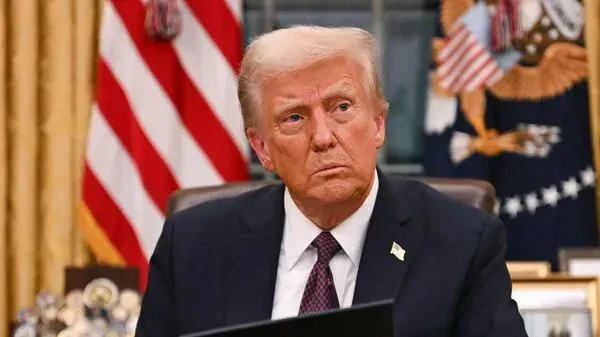
Gold has been a safe haven for many years, providing stability during economic downturns. In the first quarter of 2025, gold prices have reached unprecedented levels, with ING predicting a rise to $3,000 an ounce in this quarter. Economic policies of the Trump administration, purchases by central banks, and rate cuts by the Federal Reserve have all contributed to this incredible rally.
Political and Trade Uncertainty
By increased geopolitical tensions and uncertainty about international trade policies, investors have turned to gold. After announcing and then delaying 25% tariffs on imports from Canada and Mexico, President Trump first spooked markets with such policies. Uncertainty surrounding these policies has led investors to rush into buying gold in a desperate pursuit of stability in fluctuating relations.
While a trade deal with Canada and Mexico has been reached, ING analysts warn that ongoing uncertainties will continue to drive demand for gold. The potential for further retaliatory tariffs could exacerbate inflationary pressures, further boosting gold’s appeal as a hedge against economic instability.
Supply and Demand Factors
The Financial Times recently reported an $82 billion stockpile of gold in New York, causing shortages around the world. The recent stockpiling trend has driven up premiums on Comex gold inventories, making it at times impractical for such metal to rally even further. On the other hand, fears that future tariffs might actually target gold itself have increased demand for it, particularly from central banks and institutional investors.
Approximately 45% of U.S. gold imported in the previous year came from Mexico and Canada. If Trump's tariffs reach gold imports, it could make access to the valuable metal more pricey, driving up prices further.
Geopolitical Risks and Market Sentiment
Trump's comments about the Israel-Hamas war and his suggestion that the Gaza Strip could be turned over to the U.S. have added geopolitical uncertainties. This has ruffled investors, who often seek shelter in gold in times of political instability.
Beyond the Middle East, tensions with China and Russia and economic sanctions have also been increasing gold demand because of these factors. In fact, as the world markets react to Trump's machinations on foreign policy, gold remains one of the few safe havens that provides relative security.
The Role of Central Banks and the Federal Reserve
Central banks have also played a central role in gold's rise. According to reports from the World Gold Council, central bank purchases of gold crossed 1,000 tons for the third straight year. While this was in the fourth quarter of 2024, an increase of 333 tons happened.
Analysts also expect the Federal Reserve to lower interest rates later this year. Low interest rates usually weaken the dollar and increase the risks of inflation, both of which tend to push gold prices up. More investors are expected to buy gold to hedge against a weakening dollar, which should continue to push prices higher.
Future Outlook: Will Gold Reach $3,000?
The forecast that gold will touch $3,000 an ounce in this quarter by ING reflects the ongoing strength of demand. UBS has also raised its 12-month gold target from $2,850 to $3,000, bolstering the outlook for a powerful rally.
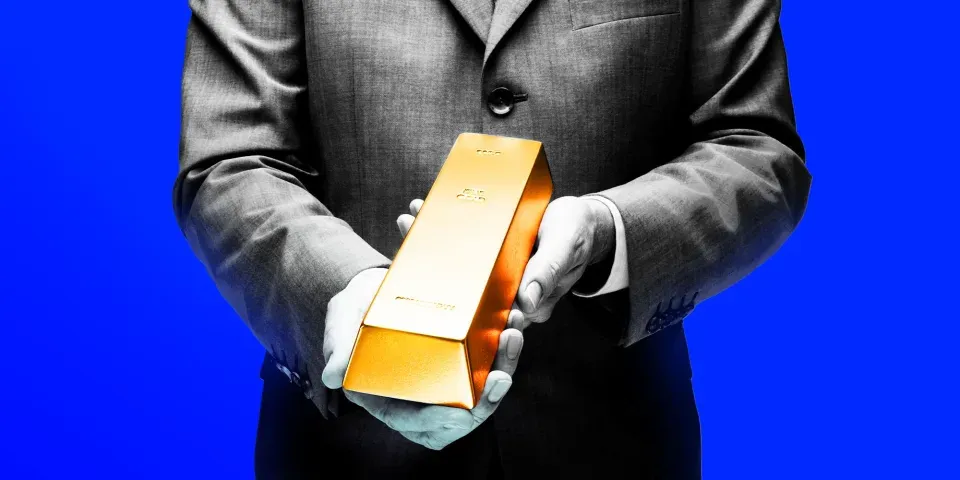
A few factors fuel this positive trend:
Trade uncertainty
Central banks continue to purchase
Federal Reserve rate cuts
Geopolitical instability
However, should economic conditions stabilize or if inflation remains under control, gold prices may face resistance at the $3,000 level. Investors should remain cautious while monitoring market developments closely.
Donald Trump's first weeks in office have shaken global markets, prompting investors to take refuge in safe-haven assets such as gold. With continued geopolitical tensions, the possibility of tariff escalations, and anticipation of Federal Reserve rate cuts, the rally of gold seems still far from being over. As prices have already touched record levels, the general economic scenario also indicates that the $3,000 target for ING is well within the reach.
FAQs
Why are gold prices going up so rapidly in 2025?
Geopolitical tensions, trade uncertainty, increased central bank buying, and anticipated Federal Reserve rate cuts have led to the rise in gold prices. Investors buy gold as a hedge against economic instability.
How has Trump's trade policy affected gold prices?
The announcements of Trump's tariffs on Canada and Mexico have increased fears of inflation and market uncertainty. This has driven investors to the safety of gold, which has pushed the prices higher.
What role do central banks play in the gold rally?
Central banks have been buying gold at record levels, surpassing 1,000 tons for the third year running. The increased demand has further supported the metal's price surge.
Could gold prices fall in the near future?
While gold remains strong, its price could face resistance if trade tensions ease, the Federal Reserve maintains higher interest rates, or inflation fears subside. However, ongoing uncertainties make a significant drop unlikely in the short term.
What should investors consider before buying gold?
Investors should evaluate market trends, interest rate policies, and geopolitical risks before investing in gold. Gold definitely provides stability, but the prices fluctuate based on macroeconomic conditions and what the investors think.