The True Legacy of Ayrton Senna: The Life, Career, and Impact of an F1 Legend
Explore Ayrton Senna’s legacy, racing career, and lasting influence on Formula 1 safety.

The True Story of Ayrton Senna: A Racing Legend and His Lasting Impact
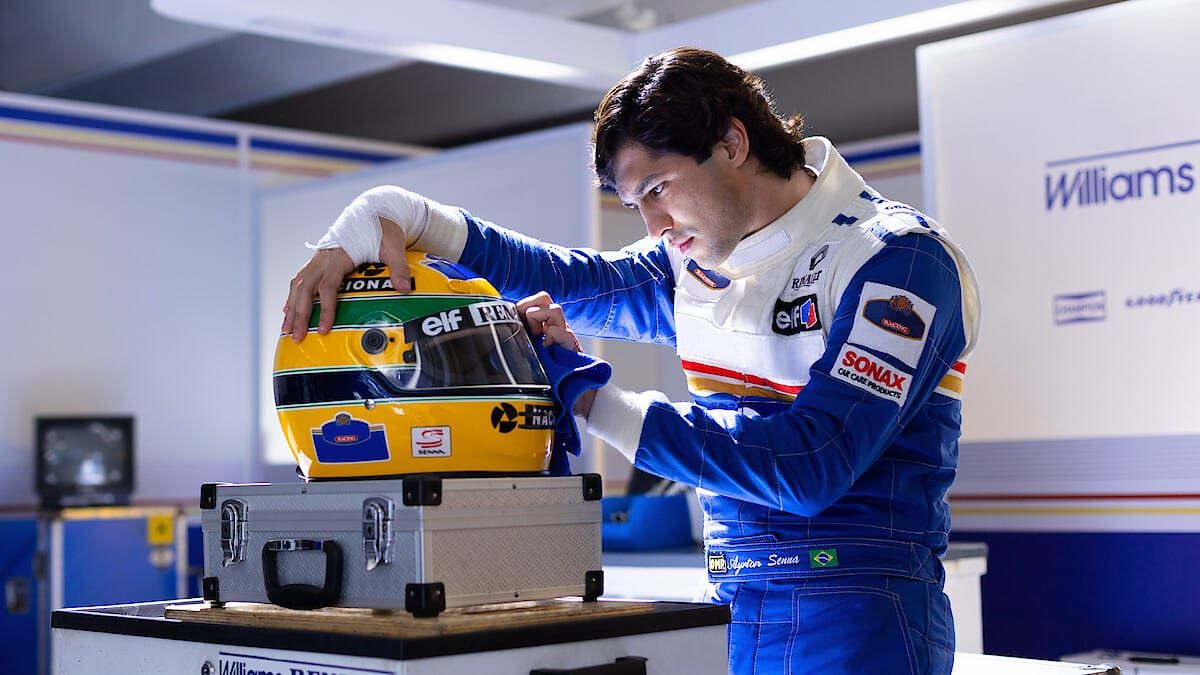
The life of Ayrton Senna, one of Formula 1's greatest drivers, is a tale of ambition, passion, tragedy, and transformation. From his early days racing go-karts in Brazil to becoming a three-time Formula 1 World Champion, Senna’s influence on the sport and his legacy in the hearts of millions continues to endure, even decades after his untimely death.
In the limited series Senna, we delve into the life of the man behind the wheel, charting his rise to fame, his complex relationships, his fierce competitiveness, and the devastating events that led to his fatal crash in 1994 during the San Marino Grand Prix. Executive produced by Vicente Amorim, the series captivates viewers by showing both the myth and the man behind the icon. However, it’s not just about the speed and danger of Formula 1; it’s about a man who became a symbol of pride, determination, and change for his country, Brazil.
In this article, we will revisit the true story of Ayrton Senna and his monumental legacy that transcends the racetrack.
The Early Life and Racing Beginnings of Ayrton Senna
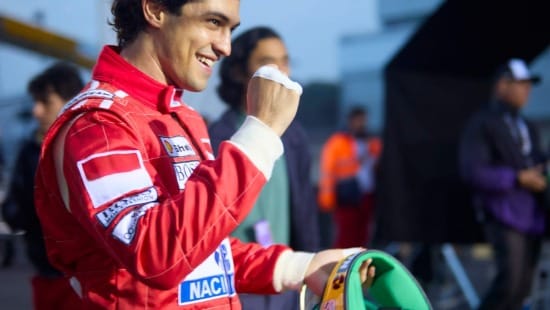
Ayrton Senna da Silva was born on March 21, 1960, in São Paulo, Brazil. From an early age, Senna exhibited an innate passion for racing. At just 13 years old, he started go-kart racing, quickly showing his exceptional skill on the track. By 1977, Senna had already won the South American Kart Championship and by the early 1980s, he was a fixture in the competitive international go-kart scene.
His rise through the motorsport ranks was rapid. Senna moved to England in 1981 to compete in Formula Ford, before progressing to Formula 3 in 1983, where he earned the respect of his peers for his precision and drive. It didn’t take long for Formula 1 teams to take notice, and by 1984, Senna secured his seat with Toleman Motorsport in Formula 1.
Senna’s Formula 1 Career: Triumphs and Rivalries
Senna’s Formula 1 career took off quickly, marked by both intense rivalries and significant triumphs. By 1985, he was driving for Lotus, where he secured his first race win in Portugal. His raw talent and fearless style soon made him one of the most revered drivers in the sport.
However, it was during his time with McLaren in the late 1980s and early 1990s that Senna’s dominance became undeniable. With teammate Alain Prost, Senna faced one of the fiercest rivalries in sports history. Their battles for the championship were legendary, with Prost being a more methodical driver while Senna's approach was marked by an almost reckless abandon.
Their rivalry reached its peak in 1989, when they collided at the Japanese Grand Prix, a moment that would go on to shape the dynamic of Formula 1 for years. Despite the controversy, Senna’s competitive fire and unmatched ability to push the limits on the track made him a global icon.
The Emotional Side of Senna: A True Brazilian Hero
Senna’s impact transcended the racetrack. While his technical prowess was undeniable, what made Senna even more beloved was his authenticity. He was never afraid to show emotion, and his passion for his country and his family was evident in his interviews. In Brazil, Senna became more than just a sports figure; he was a national hero, the embodiment of resilience and pride for a country undergoing economic hardship.
According to Gabriel Leone, who plays Senna in the docuseries, Senna’s sincerity was a key part of his appeal. “He was a really truthful guy. You can feel when he was speaking, when he was giving an interview, that he was being sincere. He was just opening his heart.” His deep connection with the Brazilian people, especially in times of political and economic turmoil, made every race day a reason for celebration across the country.
In fact, Vicente Amorim, the showrunner of Senna, reminisced about growing up in Brazil, watching Senna’s races and feeling an intense sense of pride. “Every Sunday the country would come together to see this very special man do very special things,” he said. For many, Senna was not just a symbol of sporting excellence but a beacon of hope.
Safety and Reform: Senna’s Lasting Impact on Formula 1
In the years leading up to his tragic accident, Senna had become increasingly vocal about the lack of safety in Formula 1. He was deeply concerned about the risks faced by drivers and frequently pushed for improvements in safety protocols, including the improvement of crash barriers and car designs.
His concerns were tragically realized during the 1994 San Marino Grand Prix. On May 1, 1994, Senna was involved in a fatal accident at the Imola circuit after his car veered off the track at high speed and crashed into a wall. Roland Ratzenberger, an Austrian driver, had tragically died the day before in a similar accident.
Senna’s death was a turning point for Formula 1. The FIA (Fédération Internationale de l'Automobile) responded by overhauling the sport’s safety regulations. They removed the most dangerous corners from race circuits, added safety barriers, and introduced new equipment like head and neck restraints and better helmets. Additionally, the Grand Prix Drivers' Association was re-established, allowing drivers to have a voice in the future of the sport’s safety.
Today, many of the safety measures that were implemented following Senna’s death are credited with saving countless lives and preventing further fatalities in the sport.
Senna’s Legacy: A Cultural Icon in Brazil
Ayrton Senna’s legacy goes far beyond his career as a Formula 1 driver. For Brazil, he remains a national symbol. Senna’s pride in being Brazilian was something he consistently expressed, both on and off the track. As Leone explained, “Brazil is a huge country with loads of different social classes, especially in the late ’80s and the beginning of the ’90s. In the early ’90s, Brazil was having a hard time economically. Every Sunday when he was racing, it was a day to celebrate amid all the bad things that were happening to our people.”
Through his success, Senna gave Brazilians something to cheer for. His triumphs were a rare moment of joy in a nation plagued by economic and political difficulties. His unwavering connection to his roots made him a source of national pride that went far beyond motorsport. For many in Brazil, Senna was more than just a driver; he was a symbol of resilience and hope.
The Fictionalized Retelling: Laura Harrison and the Series
While the series Senna is largely based on the true events of the driver’s life, there is one major fictionalized element: the character Laura Harrison, a reporter played by Kaya Scodelario. While the character does not exist in real life, many of the other figures in the series, such as Senna’s first wife Lilian de Vasconcelos, sister Viviane Senna, and rival Alain Prost, are portrayed authentically.
The portrayal of these relationships adds depth to the story, showing not only Senna’s professional journey but also his personal connections. Through his family, friends, and lovers, we gain a fuller understanding of who Senna was as a man, not just a driver.
Conclusion: Remembering Ayrton Senna
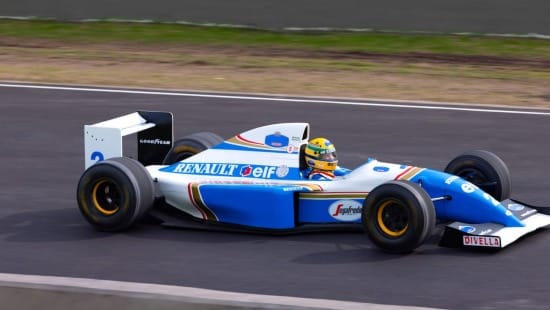
Ayrton Senna’s story is one of brilliance, passion, and heartbreak. His contributions to Formula 1, both on the track and through his advocacy for driver safety, have left an indelible mark on the sport. His legacy as a national hero in Brazil and as an icon of humanity and courage continues to inspire fans around the world.
Even as time passes, Senna’s memory lives on in the hearts of millions, and his influence on Formula 1 remains a cornerstone of the sport’s evolution. Through the series Senna and other retrospectives of his life, we are reminded that true legends never fade.