The Six Triple Eight Review: Tyler Perry’s Powerful WWII Story of Black Women’s Triumph
Tyler Perry's The Six Triple Eight tells the inspiring true story of Black women in WWII.

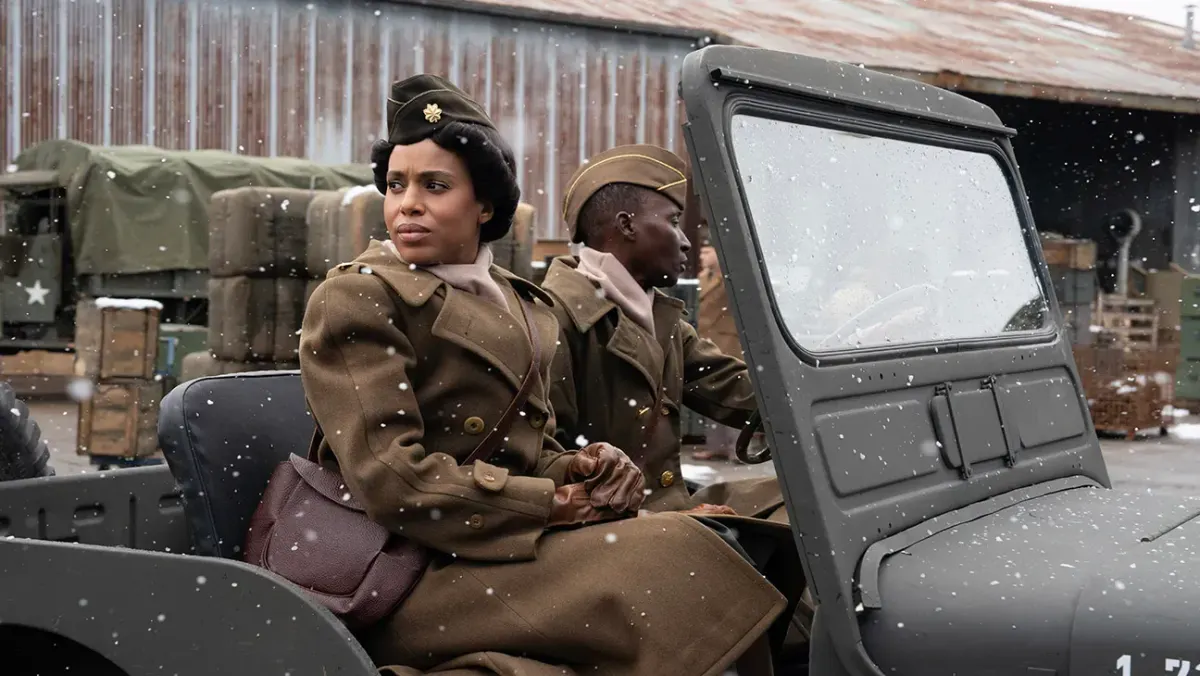
Tyler Perry, known for his prolific work with Black characters and stories, delivers one of his most important and impactful films yet with The Six Triple Eight. Set during World War II, this historical drama brings to life the inspiring story of the 6888th Central Postal Directory Battalion, a battalion made up entirely of Black women who, against immense adversity, made a lasting impact on the war effort. Perry's latest work finds its soul in the courage and perseverance of these women, offering a fresh perspective on a long-overlooked chapter of American history.
A True Story of Unwavering Resilience: The 6888th Battalion
The Six Triple Eight focuses on the 855 women of the 6888th Battalion, who were tasked with a monumental mission during WWII: sorting through a massive backlog of 17 million letters, letters that connected American soldiers in Europe to their families back home. These women, though not engaged in combat, played a pivotal role in keeping the morale of the troops high through the power of communication. Despite the significant challenges they faced, including racial and gender discrimination both in the U.S. and abroad, the battalion's efforts ensured that white soldiers could finally receive their long-awaited letters.
Perry, known for his emotional storytelling, uses the story of the 6888th to shine a light on the incredible sacrifices and resilience of these women, who were largely forgotten by history. With a compelling cast and an empowering storyline, the film highlights their monumental contributions in a way that has rarely been portrayed on the big screen.
Kerry Washington Delivers an Unforgettable Performance as Maj. Charity Adams
At the center of this story is Maj. Charity Adams, played powerfully by Kerry Washington. As the commanding officer of the 6888th, Adams was tasked with leading these women through adversity and proving that they could perform the important work assigned to them, despite the skepticism of their superiors. Washington brings depth, strength, and nuance to her portrayal of Adams, capturing the determined spirit of a woman who is constantly fighting not only for her own survival but for the dignity and respect of her unit.
Washington's performance is one of the standout elements of the film, especially in a pivotal scene where her character, in her calm yet firm manner, demands to be treated with the respect she has earned. "With all due respect," Adams says, before defiantly stating, "Over my dead body, sir!" Washington’s ability to convey so much with just a few words and a glance shows the internal strength of her character, whose leadership is indispensable in this historical moment.
The Struggles: Racism, Misogyny, and a Harrowing Mission
In addition to portraying the hardships of war, The Six Triple Eight doesn’t shy away from showing the immense struggles these women faced in a segregated and discriminatory society. At every turn, they were confronted with racist and sexist attitudes from their fellow soldiers and commanding officers. From the get-go, their assignment seems like an impossible one: to sort 17 million letters under unsafe conditions and with little resources. Yet, despite these odds, Adams and her team rise to the challenge.
The film also provides moments of comic relief, particularly through the character of Johnnie Mae (Shanice Williams), who brings humor to an otherwise heavy narrative. Johnnie Mae’s witty and unapologetic personality adds some levity to the film, as she cracks jokes about the ill-fitting uniforms designed for white women, emphasizing the practical struggles of being a Black woman in the military at the time.
The Incredible Feat of Sorting 17 Million Letters
Once the battalion arrives in Europe, they are faced with the daunting task of sorting and delivering the backlog of letters, many of which are damaged, incomplete, or barely readable. With limited resources and no formal orders from their superiors, the women of the 6888th must come up with creative and innovative ways to get the job done. Their solutions, often born of sheer necessity, include using everything from makeshift systems to improvisation, all while enduring the constant threat of German air raids.
Perry’s direction here conveys both the drama of their physical labor and the quiet emotional toil of knowing that the men on the front lines are depending on them for this vital communication. It’s a powerful reminder that even in a non-combat role, these women were fighting in their own way—ensuring that their fellow soldiers could stay connected to their families and loved ones.
Perry’s Direction: Moments of Triumph and Struggles with Prejudice
Tyler Perry brings both emotional depth and visual grandeur to The Six Triple Eight. The film features expansive battle scenes, such as the harrowing opening sequence set in Italy, which depicts the horrors of war in a way that sets the stage for the challenges the women will face. Though it lacks the intensity of classics like Saving Private Ryan, Perry’s depiction of combat nonetheless highlights the danger that these women were exposed to, even though they were not at the front lines.
Despite the film’s strong message of empowerment, Perry's script sometimes overemphasizes the themes of racial and gender prejudice, which may seem repetitive to some viewers. However, the film's cathartic moments, where the women are finally recognized for their service, more than make up for the occasional heavy-handedness.
Supporting Cast: Oprah Winfrey and Susan Sarandon in Key Roles
In addition to Washington’s powerhouse performance, The Six Triple Eight features notable appearances by Susan Sarandon as Eleanor Roosevelt and Oprah Winfrey as civil rights icon Mary McLeod Bethune. Though their roles are not central, both Sarandon and Winfrey lend their star power and gravitas to the story, reinforcing the film’s broader social and historical context.
Their involvement adds an extra layer of authenticity to the story, as they portray women who were allies in the fight for civil rights and equality. These cameos help tie the film’s narrative to the broader struggles for racial and gender justice in America.
A Powerful Film for a Wider Audience
The Six Triple Eight marks a significant step forward for Tyler Perry as a director. While still remaining within his comfort zone of uplifting stories about Black women, Perry takes a leap into more ambitious filmmaking with this war drama, and it pays off. With a strong historical foundation, memorable performances, and a message that resonates deeply, The Six Triple Eight is Perry’s most substantial film to date.
Though the film is receiving a limited theatrical release, it will be available to stream on Netflix starting December 20. For those interested in exploring untold stories of Black history, The Six Triple Eight is a must-watch, reminding audiences of the unsung heroes whose courage and determination helped shape the course of history.