The Lost Children: A Tale of Survival and Ancestral Wisdom in the Amazon Rainforest
After a harrowing plane crash, four indigenous children must summon ancestral knowledge and extraordinary resilience to survive the Colombian Amazon, while a race against time rescue mission unfolds.

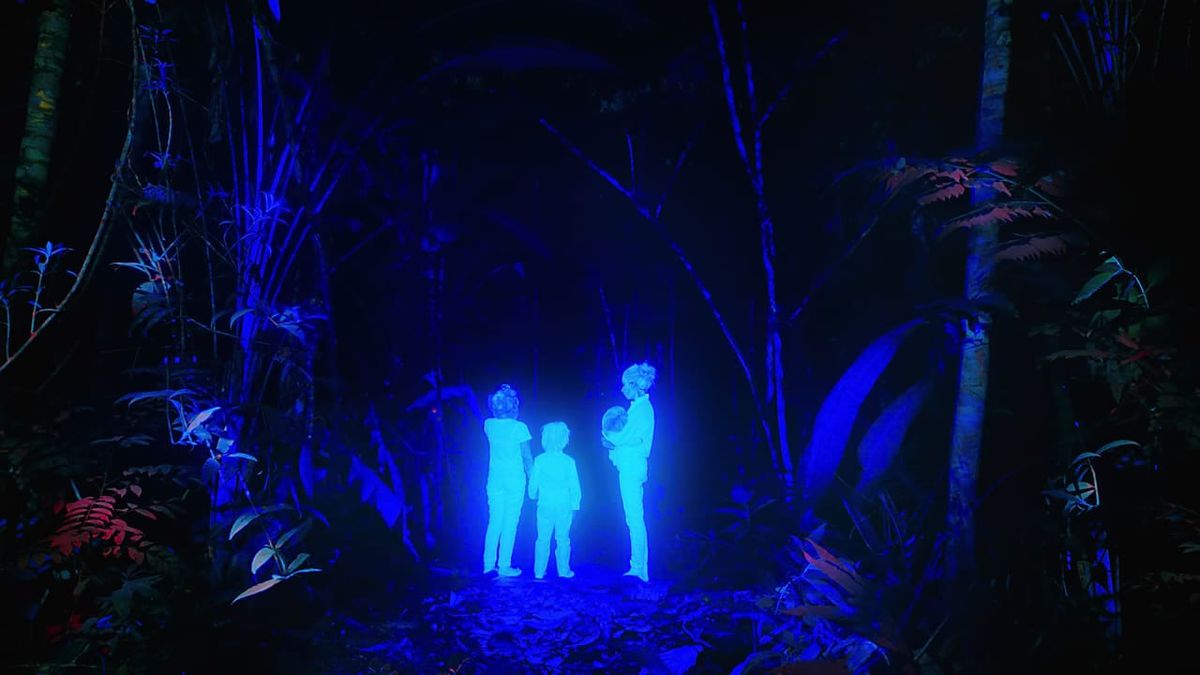
Four indigenous children are left for dead after a horrific plane crash in the Colombian Amazon. But that's only where this international bestseller begins. Summoning ancestral wisdom and an extraordinary capacity for survival, these four are now journeying deep into the Amazon, pursued by a desperate rescue team racing against time.
Then on 14 November tragedy struck when a small plane went down in the Colombian Amazon, leaving only four survivors: young indigenous children aged between 11 months and 13 years. They were left alone in one of the world's most inhospitable environments-the dense, remote Amazon rainforest, where wildlife, extreme weather, and limited food sources became immediate dangers And yet , miraculously the children survived, relying on their instinctive strength and deep-rooted knowledge of nature, passed down through generations.
The children are from the Huitoto indigenous community, brought up in a culture that embraces not only the Amazon as a forest but as a living entity, intricately entwined within day-to-day life, rituals, and teachings. For generations, their people have learned how to identify edible plants, how to gather clean water from vines, and how to build temporary shelters using palm leaves and other forest resources. These teachings became crucial for the four young survivors as they fought to endure the challenges of the forest alone.
As days turned into weeks, their story went viral, but it only reached the entire country, and soon, the world. The government of Colombia, working with native groups familiar with the landscape, launched a massive rescue effort , trekking through heavy growth and many natural barriers that flank the Amazon. At other times though, the heavy tree cover and heavy rain that persist often prevented searching parties. Still, the survival of the children became the hope of all men and women involved in the rescue.
Back in the forest, each day was a fight to survive for the kids. Leaves, sticks, and some other material were used to devise makeshift abodes that would keep them dry during rainy seasons and not so much annoying insects. They even found fruits within the wild forests and devised ways to stay hydrated. The eldest is a 13-year-old girl who found herself to be a leader and relied on her knowledge of the woods to keep her little siblings from harm. Their knowledge of the nature of the Amazon really proved to be handy, demonstrating to what extent their ancient wisdom was useful for survival in the wild.
In respect to the exercise, the indigenous rescue teams played a very crucial part in the mission. They were used to searching in the forest based on their own knowledge of the latter to track signs left by the children. There were marks on trees, footprints, and broken branches which rendered subtle clues that aided the rescuers in navigating the large forest. This connection and knowledge shared between the searchers and the survivors highlighted the deep relationship the indigenous communities possess with their environment.
Weeks etched into time, the rescuing team had finally found them. Tired and weak but alive, they were brought back to civilization, whose story spread like a wildfire. The rescue was called a triumph of resilience, courage, and power of indigenous knowledge. And the fact that those children survived, they often inspire people reminding this world of strength that lies within a cultural heritage as well as the deep connection of indigenous people with their land.
The story of these young survivors is more than a tale of survival alone. It transcends the simplicity of hardiness, speaking instead to the value of indigenous insight. For when those children went back to their village, they brought with them an extraordinary survival story but also a life lesson urging the need for keeping and respecting indigenous cultures and knowledge for generations to come.