The Economic Impact of Indirect Taxes in the UAE: A $3 Billion Boost
The UAE's indirect taxation generates $2.72–$3 billion annually, bolstering its GDP and providing a significant economic boost. Discover the mechanisms, benefits, and future outlook of this revenue stream.

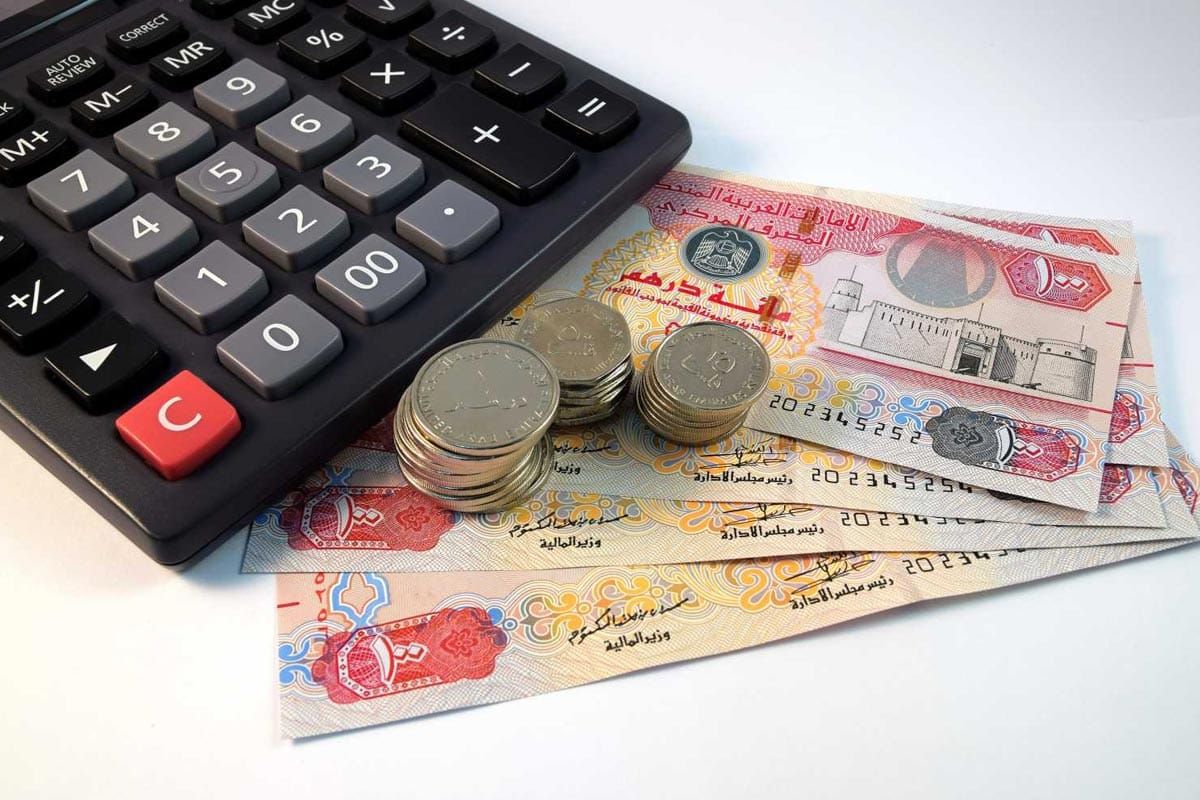
The United Arab Emirates (UAE) has witnessed remarkable economic growth, with indirect taxes emerging as a pivotal revenue source. Generating between AED10 billion and AED11 billion annually (equivalent to $2.72 billion–$3 billion), these taxes significantly contribute to the country’s gross domestic product (GDP). Younis Haji Al Khoori, Undersecretary of the Ministry of Finance, emphasized the role of indirect taxation in strengthening the UAE's fiscal framework.
This article delves into the structure of the UAE's indirect tax system, its contribution to the economy, and how it supports the nation's vision of sustainable development.
Understanding Indirect Taxes in the UAE
Indirect taxes, unlike direct taxes on income, are levied on goods and services. The UAE implemented its first indirect tax, Value Added Tax (VAT), in January 2018 at a standard rate of 5%. This tax applies to a wide range of products and services, ensuring consistent revenue inflows. Additionally, excise taxes on products such as tobacco, sugary drinks, and energy drinks were introduced earlier, targeting health and environmental goals.

Key elements of indirect taxes in the UAE:
VAT Revenue: Constitutes a significant portion of the $3 billion annual revenue.
Excise Tax Revenue: Targets specific products with higher health or environmental costs.
Broad Applicability: Covers most goods and services, except for certain exemptions like education and healthcare.
Economic Significance
The revenue generated from indirect taxes plays a vital role in diversifying the UAE's economy, reducing dependency on oil, and funding critical infrastructure and public services. The taxes support:
Public Services: Financing healthcare, education, and social programs.
Infrastructure Development: Enabling large-scale projects, such as the Etihad Rail and urban expansions in Dubai and Abu Dhabi.
Economic Diversification: Aligning with the UAE’s Vision 2030 to shift from an oil-dependent economy to a knowledge-based one.
Challenges in Implementation
Despite its success, the introduction of VAT and excise taxes faced challenges:
Consumer Awareness: Initial resistance due to a lack of understanding of indirect taxation.
Compliance Issues: Businesses adapting to VAT filing requirements.
Impact on Small Businesses: Adjusting to tax compliance added operational costs for smaller enterprises.
The government addressed these challenges through extensive awareness campaigns, streamlined tax processes, and targeted exemptions.

Future Outlook for UAE's Tax System
The UAE's indirect tax model is likely to expand, contributing even more to economic resilience. Experts predict:
Potential VAT Rate Increase: A rise above 5% could generate additional revenue.
New Indirect Taxes: Possible introduction of carbon taxes to meet sustainability goals.
Enhanced Digital Taxation: Leveraging technology to improve compliance and collection efficiency.
Global Context: UAE's Taxation vs. Other Nations
The UAE’s indirect tax revenue as a percentage of GDP remains relatively modest compared to global averages. For instance:
UAE: Approximately 1.5%–2% of GDP.
European Union: VAT often constitutes over 7% of GDP in many member states.
Middle East Peers: Saudi Arabia and Bahrain also have VAT, with varying contributions to their GDPs.
The UAE's strategic approach balances revenue generation with its attractiveness as a low-tax jurisdiction for businesses.
5 Frequently Asked Questions About UAE's Indirect Taxes
What are the main types of indirect taxes in the UAE?
The UAE primarily levies Value Added Tax (VAT) at 5% and excise taxes on tobacco, sugary drinks, and energy drinks.
How much revenue does the UAE generate from VAT annually?
VAT contributes a significant portion of the AED10 billion–AED11 billion ($2.72 billion–$3 billion) in indirect tax revenue each year.
Are all goods and services in the UAE subject to VAT?
No. Essential sectors like healthcare, education, and certain residential properties are exempt or zero-rated to minimize the tax burden on residents.
What challenges did businesses face with the introduction of VAT?
Many businesses struggled with initial compliance, particularly smaller enterprises, due to new filing requirements and operational adjustments.
Is the UAE planning to increase its VAT rate?
There is speculation about a potential increase, but no official announcements have been made. An increase would align with global VAT averages and boost revenue further.
Indirect taxes have become a cornerstone of the UAE's economic strategy, generating up to $3 billion annually while diversifying revenue sources and reducing reliance on oil. Through VAT and excise taxes, the UAE funds critical services, infrastructure projects, and long-term development goals.
With a forward-looking tax policy, the UAE is poised to remain a regional leader in economic sustainability and fiscal innovation. As the nation adapts to global economic trends, indirect taxes will undoubtedly play an even greater role in shaping its future.