The Children’s Train: Exploring the True Story Behind Italy’s ‘Happiness Trains’
Discover the powerful story behind The Children’s Train, a film about sacrifice, separation, and hope in post-WWII Italy.

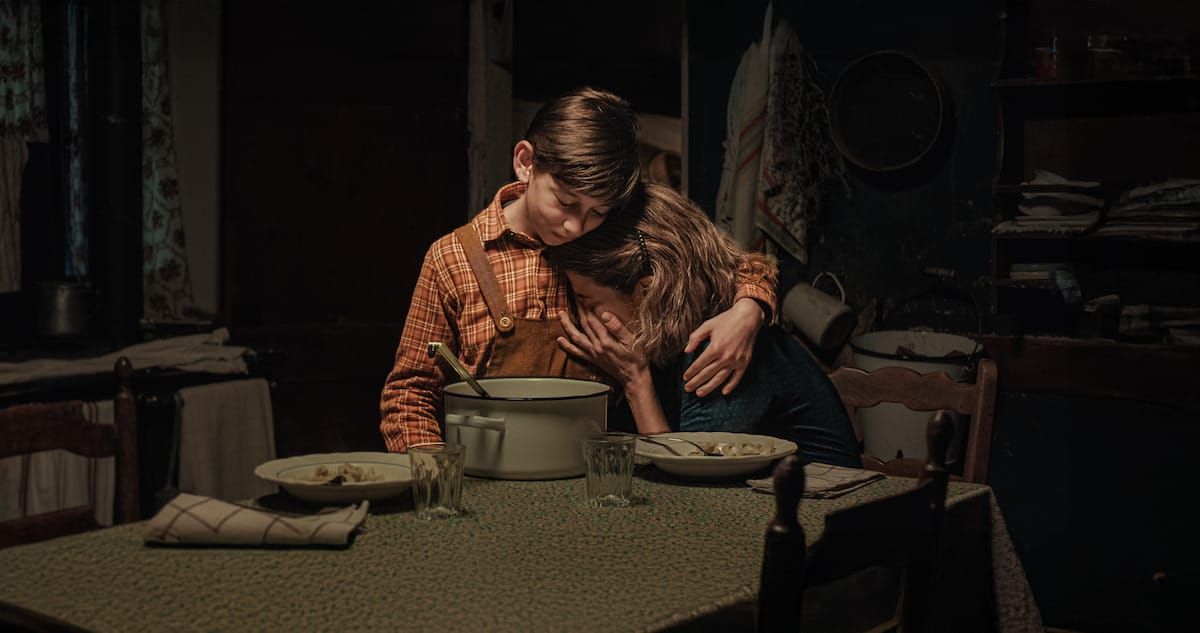
The Children’s Train (Italian: I treni della felicità) is a moving historical drama that explores the emotional and physical toll of post-World War II Italy, following a mother's heartbreaking decision to send her son away in search of a better future. Based on the acclaimed novel by Viola Ardone, the film delves deep into the trauma of separation, the hopes for a brighter life, and the impact of real historical events on personal lives. Here’s everything you need to know about this powerful adaptation.
What is The Children’s Train About?
Set against the backdrop of Italy's devastation after World War II, The Children’s Train tells the story of a mother’s love and sacrifice. In 1944, the country’s south was in economic ruin, and poverty was rampant. In an effort to rebuild and provide hope to the future generation, the Communist Party, in partnership with Italy’s Union of Italian Women, launched a program called Treni della Felicità or Happiness Trains. This initiative transported impoverished children from southern Italy to wealthier, northern families who could care for them.
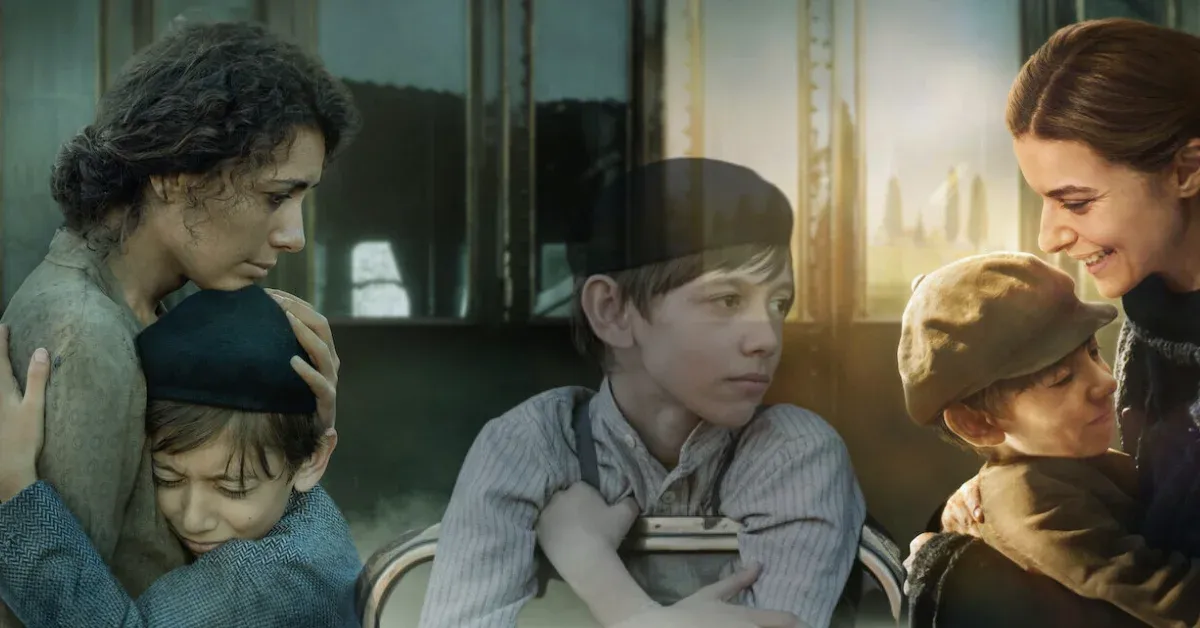
The film follows Amerigo, a young boy from Naples, who is sent away by his mother, Antonietta, in the hopes that he will have a better life. As his mother bids him farewell, she hopes that the move will lift him out of poverty and give him opportunities she cannot provide. However, Amerigo’s separation from his mother sets off a chain of emotional consequences that will shape both their futures.
What Happens in The Children’s Train?
The narrative spans several decades. In 1994, Amerigo (played by Stefano Accorsi) is a successful violinist, living a life far removed from the impoverished childhood he once knew. But a phone call from his mother, Antonietta (Serena Rossi), unexpectedly reopens old wounds and forces him to revisit his painful past. As Amerigo performs in concert halls across Italy, he finds himself haunted by memories of his childhood in post-WWII Naples — a time when he and his mother barely survived, struggling to get by without basic necessities like food, shoes, and clean clothes.
Desperate for a better future, Antonietta makes the heartrending decision to send Amerigo away with the Communist Party’s Happiness Trains. Amerigo, only eight years old at the time, is taken to live with a woman named Derna (Barbara Ronchi), a single woman who reluctantly agrees to take him in. Although the arrangement is meant to give him a chance at a better life, it creates a rift between mother and son that will resonate throughout the years.
The story explores the emotional challenges Amerigo faces as he grows up separated from his family and homeland. The film delves into the personal cost of survival in a post-war Italy, and how the choices made in the past continue to affect those left behind.
Is The Children’s Train Based on a True Story?
While the characters and plot in The Children’s Train are fictional, the film is deeply inspired by real historical events. Between 1945 and 1952, the Treni della Felicità program facilitated the relocation of around 70,000 impoverished children from southern Italy to more prosperous families in the north. Initiated by labor activist Teresa Noce and supported by Italy's Communist Party, the program was intended to provide a better life for children suffering from the devastation of war and poverty. While the characters’ personal stories are imagined, the film’s events are grounded in the real social and political conditions of post-war Italy.
The Happiness Trains were a significant part of Italy's post-war recovery, and the film highlights the sacrifices made by families during this time. The decision to send children away was often motivated by the hope of offering them a future that their biological families couldn’t provide — but it also came at a high emotional cost, as many families were torn apart and never reunited.
Who is in the Cast of The Children’s Train?
The film features a talented ensemble cast bringing these emotional and historical narratives to life:
- Stefano Accorsi (known for The Ignorant Fairies) stars as adult Amerigo, a renowned violinist. His character navigates the emotional scars of his childhood and the legacy of his mother’s decision.
- Serena Rossi (Love and Bullets) plays Antonietta, Amerigo's mother, whose love and sacrifice drive the heart of the story.
- Barbara Ronchi (Kidnapped: The Abduction of Edgardo Mortara) portrays Derna, the single woman who takes Amerigo in. Derna is hesitant at first but becomes a key figure in his emotional development.
- Christian Cervone plays young Amerigo, capturing the innocence and vulnerability of the young boy sent away for a better life.
Where is The Children’s Train Set?
The majority of the film is set in two locations that are critical to the narrative:
- Naples, Italy – Amerigo’s impoverished childhood home. The devastation of post-WWII Naples provides a stark contrast to the more prosperous northern regions of Italy, where Amerigo is sent.
- Northern Italy – Represented through the character of Derna, the north symbolizes hope and opportunity. While Amerigo grows up far from his roots, the northern families’ lifestyle offers him the promise of a better future, albeit at a personal and emotional cost.
Why Should You Watch The Children’s Train?
The Children’s Train is not just a historical film, but a deeply human story about separation, survival, and the emotional toll of difficult choices. The film captures the devastation of post-war Italy through the eyes of a child, while also reflecting on the long-lasting consequences of those choices. It’s a poignant exploration of motherhood, sacrifice, and the complexity of love.
As a film that blends historical facts with personal drama, The Children’s Train offers a compelling portrayal of a lesser-known chapter in Italy’s post-war history. Through the eyes of Amerigo, we see the indelible scars left by poverty and war, but also the resilience of those who, like his mother, were willing to make unimaginable sacrifices for the future of their children.
Is The Children’s Train Worth Watching?
For those who enjoy historical dramas that delve deep into the emotional lives of their characters, The Children’s Train is an essential watch. It’s a heartfelt and moving story about a family divided by circumstances but united by love and the hope of a better future. The film offers both a personal and political exploration of the post-war period in Italy, providing an important perspective on the human cost of rebuilding a nation after its destruction.