The 2026 Founder’s Do’s & Don’ts: A Practical Guide Through Krishna Mohan Pinnaparaju’s Playbook

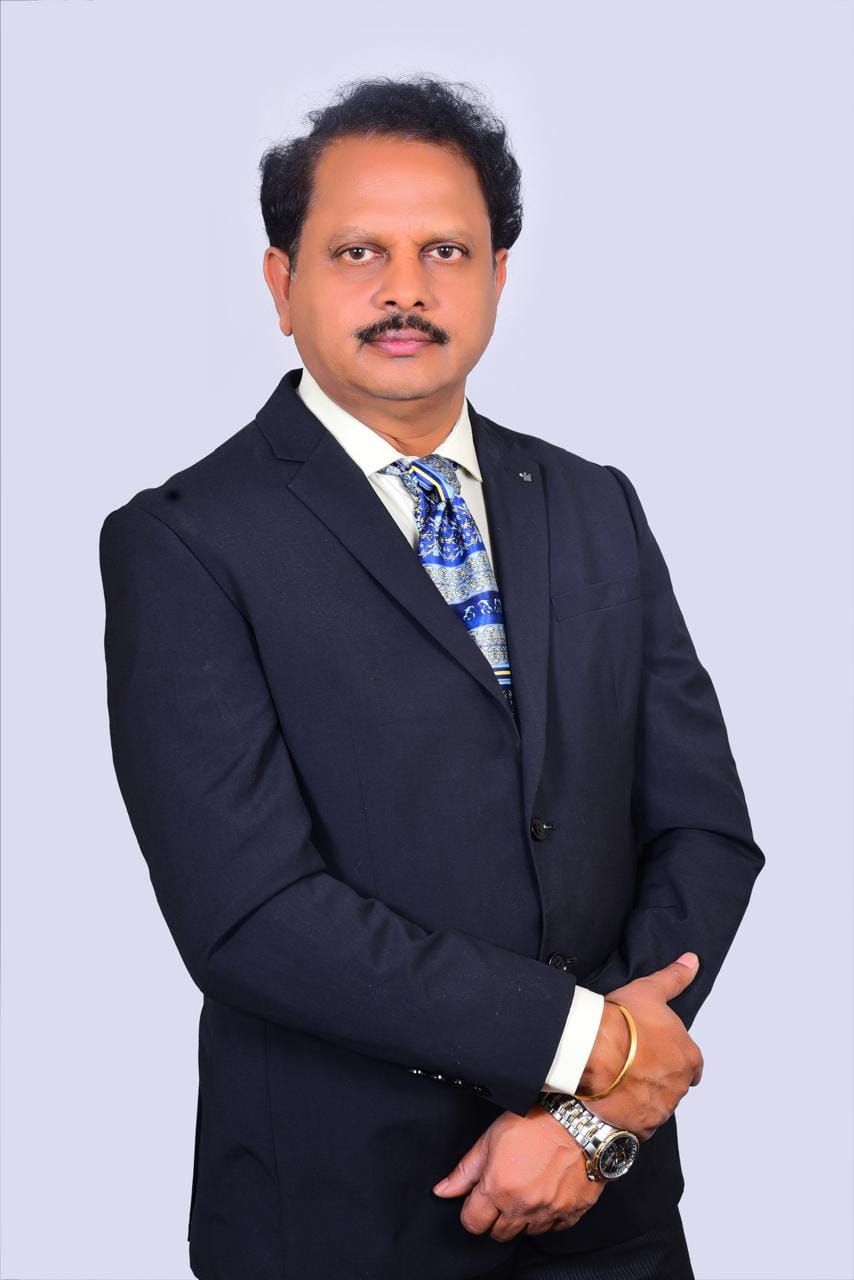
In 2026, starting up won’t just be about building a product. It will be about building trust at speed—with donors, teams, partners, and stakeholders. That’s why Krishna Mohan Pinnaparaju’s style of leadership offers a useful lens: focus on execution, governance, and accountability early, so growth doesn’t break you later.
What follows is a field-tested guide for new founders—especially those building in impact, health, education, services, or any ecosystem where credibility matters as much as innovation.
Do 1: Treat Trust Like Your First Product
Before you chase growth, create a system where people can believe you without guessing.
• Write your operating rules down. Who decides what? Who approves spends? What gets documented?
• Build a reporting rhythm early. Weekly internal updates, monthly performance reviews.
• Make transparency a habit. Simple dashboards, clear documentation, clean financial records.
Founders often underestimate this. But strong systems don’t slow you down—they make scaling possible.
Do 2: Plan for Funding Timelines Like a Realist, Not an Optimist
Most first-time founders expect funding to happen quickly. In reality, the journey has its own seasonality, and delays are common.
A practical planning frame:
• 0–3 months: Problem validation, early pilot/POC, discovery
• 3–6 months: Evidence of repeat demand (renewals, conversions, usage, LOIs, paid pilots)
• 6–12 months: Serious funding becomes more likely once you prove repeatability, not just activity
Even after commitment, disbursement can take time due to diligence, legal checks, paperwork, milestone-based releases, and internal approvals on the funder’s side. Plan runway like a cautious CEO/CFO, not an excited dreamer.
Do 3: Build a Proof Engine Before Your Pitch Engine
A great pitch can open doors, but proof closes deals.
Build a proof engine that runs every month:
• Track 5–7 key metrics (revenue, retention, acquisition cost, cycle time, gross margin, repeat rate, runway)
• Document what worked and why (process is more fundable than heroics)
• Maintain a simple, donor-ready monthly update, even before you have donors
When funders feel you already operate like a funded organization, they trust you faster.
Don’t 1: Confuse a Term Sheet With Money in the Bank
A classic mistake is celebrating a “yes” and spending as if cash is guaranteed.
Avoid this by:
• Keeping a buffer runway even after commitment
• Planning for delays and staggered releases
• Not signing big, long-term contracts based on incoming money
In 2026, patience and discipline win. Founders who manage cash calmly outlast those who celebrate early.
Don’t 2: Make the Big Post-Funding Mistakes New Founders Commonly Make
Funding is oxygen—but oxygen also fuels fires.
Mistake A: Hiring Too Fast
Hiring is the biggest burn multiplier.
• Don’t hire for impressive titles
• Hire for outcomes: delivery, execution, reliability, measurable success
Mistake B: Scaling Before Stability
If your product or service breaks at 50 customers, it will collapse at 500.
• Stabilize onboarding, support, and quality checks
• Fix unit economics before chasing speed
Mistake C: Vanity Spending
New office, brand films, awards, events—these can wait.
• Spend on what improves retention, referrals, and revenue
• Every rupee should buy learning or growth
Mistake D: Weakening Governance After Money Arrives
Many founders reduce discipline after funding because they feel safer. That’s when risk increases.
• Tighten approvals
• Track spends and outcomes
• Keep documentation clean
• Make accountability non-negotiable
Do 4: Build Partnerships Like You Build Code—Carefully
Partnerships can accelerate growth, but only if they are operationally sound.
• Define scope, milestones, roles, timelines, and reporting
• Put accountability into writing
• Avoid logo partnerships with no delivery clarity
Partnerships should reduce uncertainty, not increase it.
Do 5: Protect Your Founder Energy Without Becoming Soft
In 2026, burnout is one of the biggest founder killers. Winning founders learn to manage energy, not just time.
• Build routines: sleep, movement, nutrition, boundaries
• Delegate earlier than you feel comfortable
• Don’t carry the company alone—build a leadership circle
Your startup doesn’t just need your intelligence. It needs your longevity.
The 2026 Principle to Carry Forward
Credibility compounds.
Execution compounds.
Systems compound.
If you want to be a serious founder in 2026, don’t just build a startup—build an organization that can survive growth, scrutiny, delays, and pressure. The founders who win are not always the loudest. They are the most consistent.