Tech Titans Attend Trump's Inauguration: A Strategic Shift?
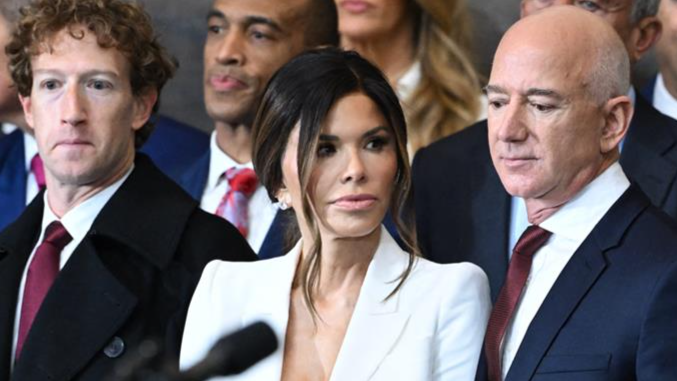
A parade of tech billionaires, including Jeff Bezos, Mark Zuckerberg, and Sundar Pichai, attended Donald Trump's inauguration and made a marked turn in their relationship with the former president.

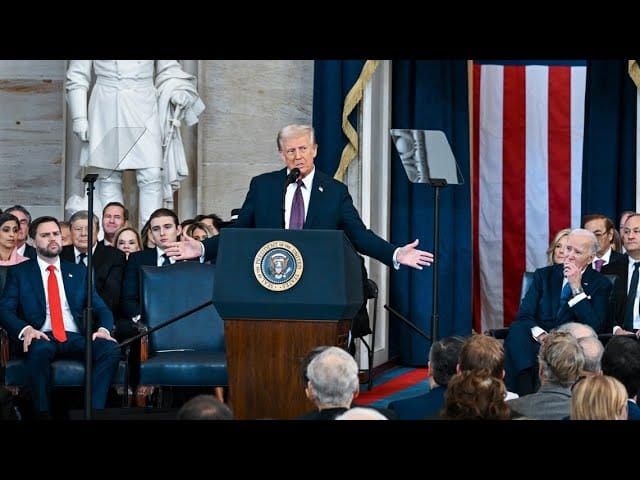
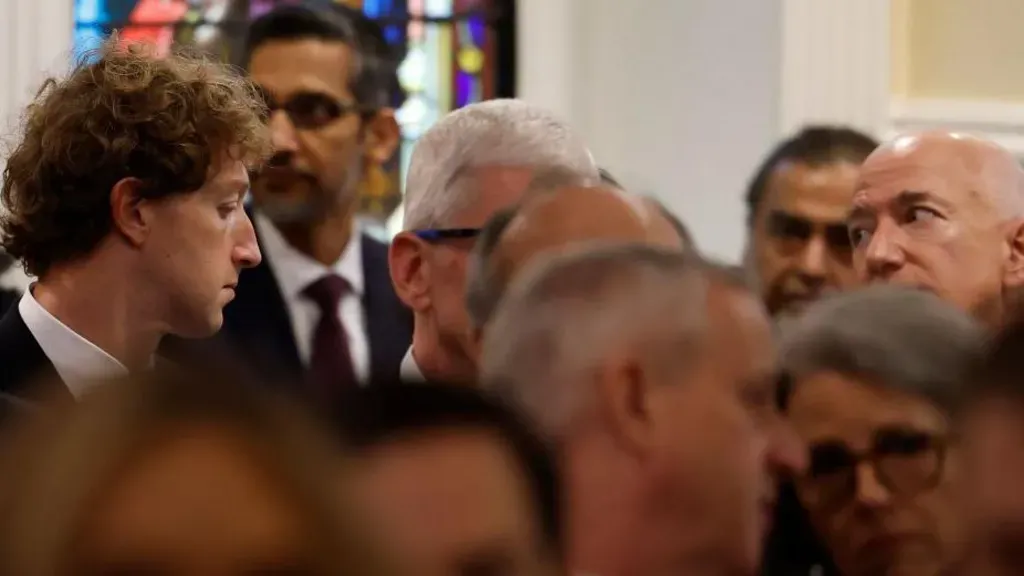
As President-elect Donald Trump began his inaugural celebrations, a conspicuous presence of tech industry leaders was felt. The group included Amazon founder Jeff Bezos, Meta CEO Mark Zuckerberg, Apple's Tim Cook, and Google's Sundar Pichai, among others, and was a momentous occasion in the constantly evolving relationship between Silicon Valley and Washington.
The Unlikely Coalition
Many of these tech moguls had been vocal critics of Trump during his first term, and on Monday morning, they took seats of prominence at St. John's Church. Their presence, along with figures such as media tycoon Rupert Murdoch, FIFA president Gianni Infantino, and former UK Prime Minister Boris Johnson, underscored the weight of the event.
Despite past conflicts, particularly over climate change policy, immigration, and other regulatory issues, many of these executives have apparently repositioned themselves, factoring in the consequences of a potential second Trump term for their business operations.
Strategic Adjustment or Political Expediency?
Several tech billionaires, including SpaceX and Tesla CEO Elon Musk, later joined Trump at the Capitol rotunda. Musk, who invested nearly $300 million in supporting Trump's campaign, has remained a close ally of the president. His presence at the inauguration further solidified his commitment to shaping the administration's policies on technology, energy, and innovation.
Perhaps the most notable attendee was TikTok CEO Shou Zi Chou, whose company is embroiled in litigation with the U.S. government regarding national security issues and possible bans. Another high-profile attendee was OpenAI's Sam Altman and Uber's Dara Khosrowshahi, reflecting the business interests in the administration's regulatory policy.
Business Interests vs. Political Ideology
These executives being seen at President-elect Trump's inauguration has created debates concerning whether this indeed indicates real political alignment or more pragmatic attempts at a way around scrutiny. For one, last week Democratic Senators Elizabeth Warren and Michael Bennett sent an open letter criticizing executives overtures towards the incoming administration; the execs are seen to be making these moves hoping for limited regulations, less oversight.
Sam Altman, OpenAI chief executive, reacted by taking to social media to say, "Funny they never sent me one of these for contributing to Democrats."
Trump's New Status in the Business World
Unlike his first term, where he often found himself at odds with corporate America, Trump now appears to be embracing his newfound influence over the business elite. He recently boasted on social media: "Everybody wants to be my friend!!!"
But not all of his supporters are as giddy. Former White House Chief Strategist Steve Bannon was quite vocal in his condemnation, particularly towards Musk, whom he described as a "truly evil guy" during an ABC News interview. Bannon went on to say that Trump's movement had "broken the oligarchs" and that they had "surrendered" to his influence.
The Future of Big Tech and Trump
It will be interesting to see how much Trump's administration will cooperate or clash with Big Tech on their second term. The last two years have certainly brought rising antitrust scrutiny, an endless battle on regulatory issues, and debating the role of artificial intelligence and social media in governance and public discourse.
With many of those tech leaders now positioning themselves inside Trump's orbit, the coming four years are likely to define the industry's regulatory landscape, and its interactions with the White House.
Why did tech CEOs attend Trump’s inauguration despite past criticisms?
Many tech leaders had previously criticized Trump on issues like immigration and climate change. However, their attendance suggests a strategic move to engage with the administration and influence policies affecting their industries.
What have been the functions of Elon Musk in Trump's administration?
The financial support towards Trump's election campaign is credited to Elon Musk, who gave nearly $300 million to him. His participation reflects his interest in determining energy, technological, and space policies.
How has the Democratic Party reacted to tech leaders' involvement with Trump?
Democratic Senators Elizabeth Warren and Michael Bennett accused tech executives of trying to "buy favor" with Trump to avoid regulatory scrutiny. The response highlights the political tightrope these leaders are walking.
Which big regulatory battles are under the technologies against trump in his second term?
Antitrust lawsuits
Possible tariffs
Investigations on monopolistic practices
Artificial intelligence and social media moderation regulations
National security regimes.
How has Trump’s relationship with the business world evolved since his first term?
Initially at odds with corporate America, Trump now appears to be embracing closer ties with business leaders, many of whom see value in aligning with his administration for regulatory and economic benefits.