Tech Billionaires and the Threat to Democracy: Spain PM Pedro Sánchez's Call for Action
Tech billionaires are accused of using social media to undermine democracy, according to Spain's Prime Minister Pedro Sánchez. He calls for urgent EU action to regulate these platforms and hold their owners accountable.

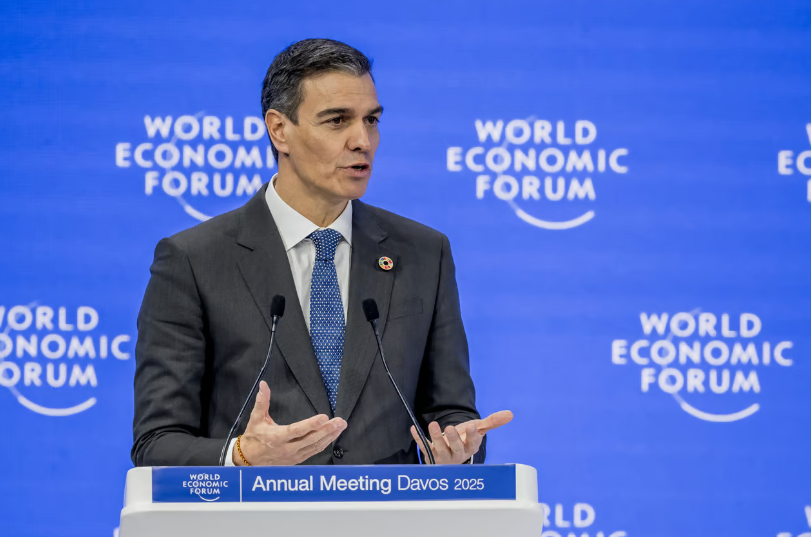
Spanish Prime Minister Pedro Sánchez at the World Economic Forum in Davos, Switzerland, issued a fiery warning over the impact of tech billionaires on democracy. Social media, designed to connect people and promote freedom, has instead become a tool of manipulation, spreading disinformation and consolidating power in the hands of a few elites. Sánchez promised to fight for stronger European Union regulations to contain the power of the tech giants and their platforms.
Social Media: From Liberation to Oppression
Sánchez pointed out a paradox in the development of social media. Designed to be forces for good, to bring about social movements such as #MeToo and Fridays for Future, they have, according to him, become weapons of division. The Spanish Prime Minister said that algorithms are deliberately designed to manipulate users, to favor extremist content, and to replace democratic votes with digital approval metrics, such as likes and shares.
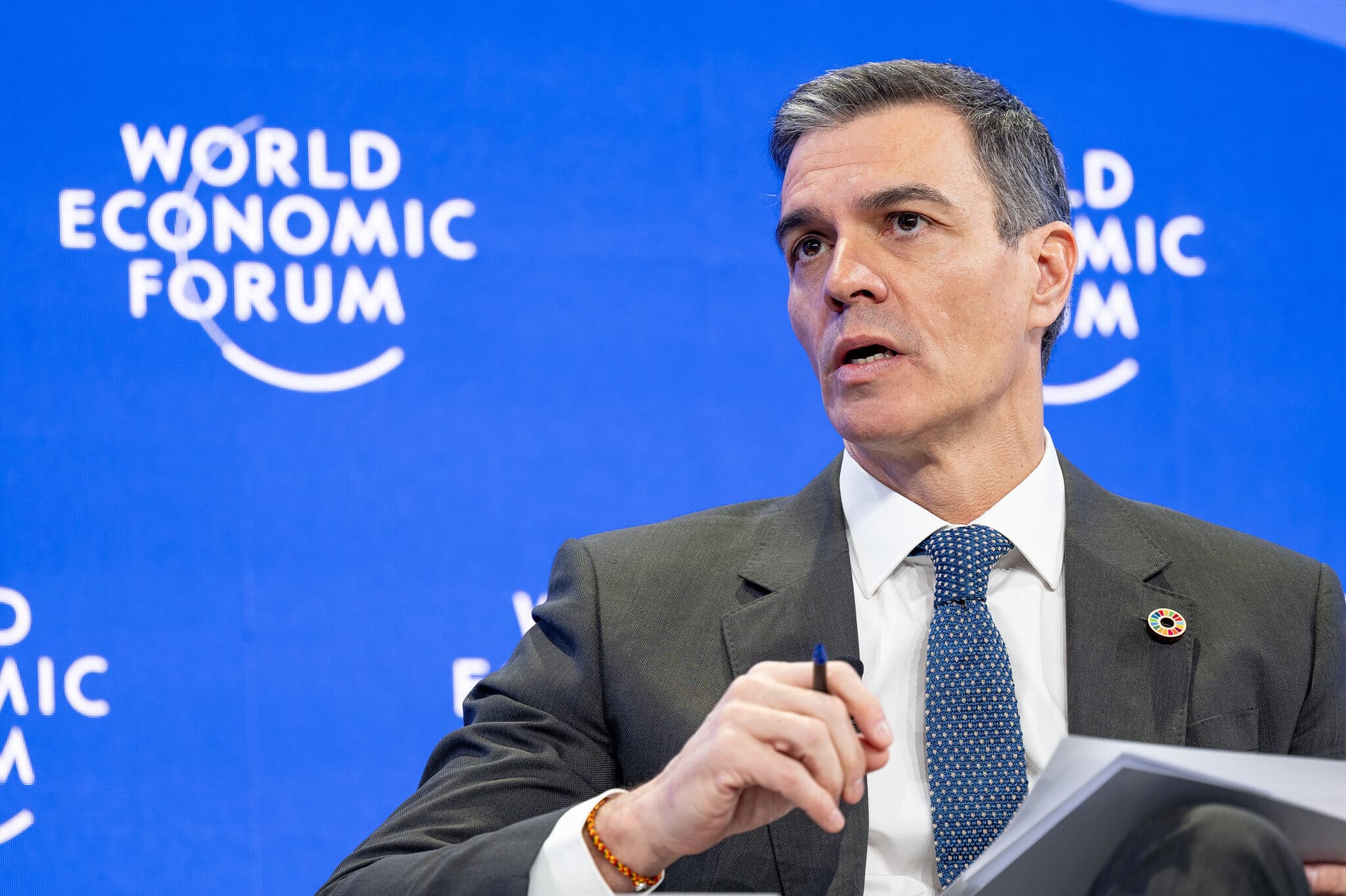
Sánchez states that the unchecked dissemination of misinformation and lack of accountability of tech moguls threatens the very existence of democratic institutions. He underlined the necessity of regulating content and making social media operate within the limits of ethics and democracy.
Role of Tech Billionaires in Political Manipulation
While he did not specifically mention names, Sánchez made a reference to a 2009 article from venture capitalist Peter Thiel. As one who had once written "I no longer believe that freedom and democracy are compatible," the article suggested reflects the mindset of tech elites as they prioritize personal power over democratic values.
The Spanish Prime Minister has been known to attack Elon Musk, the owner of X (formerly Twitter), for being an ally to far-right movements and an extremist. According to Sánchez, social media tycoons are using their platforms to shape public opinion, influence elections, and further their personal agendas without any form of accountability.
Proposed EU Measures to Regulate Social Media
To counter the influence of tech billionaires, Sánchez proposed several measures at the upcoming EU summit in Brussels. These include:
Mandatory Digital Identification: All social media users must verify their identities to combat fake accounts and bots spreading misinformation.
Stronger Fact-Checking Regulations: Enforce stringent fact-checking measures to prevent the rapid spread of false information.
Holding Tech CEOs Accountable: Ensuring platform owners face legal consequences for the harm their algorithms cause to democratic institutions.
Implementation of the Digital Services Act: Strengthening the EU's Digital Services Act to regulate tech giants more effectively and ensure responsible content moderation.
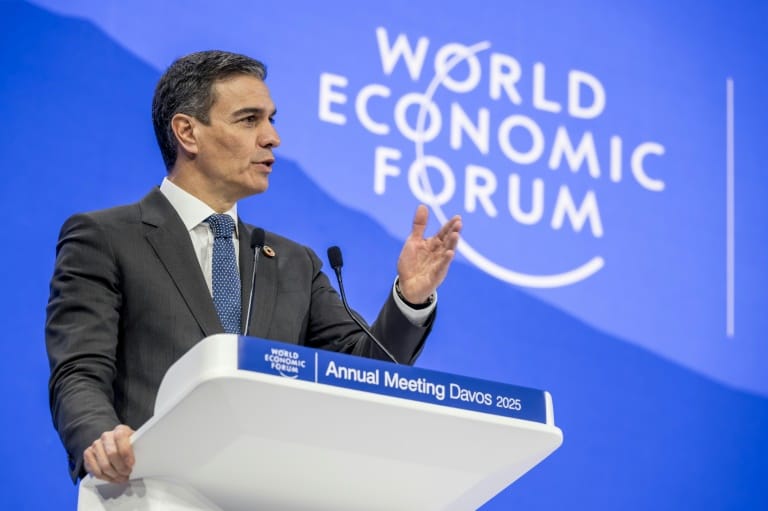
Sánchez compared social media regulation to food safety laws: "The owner of a small restaurant is held accountable if their food poisons customers. Social media tycoons should be held accountable if their algorithms poison our societies."
Sánchez's speech has caused quite a stir among political leaders, tech executives, and civil rights activists. The former argue that the unchecked influence of social media is eroding democratic institutions and must be curbed. The latter claim that regulating social media too heavily could infringe upon free speech and innovation.
Elon Musk has dismissed Sánchez's remarks, saying they are an attempt to suppress dissenting voices. Other tech industry leaders have warned that excessive government intervention could stifle online freedoms.
The Future of Social Media Governance
The world community is watching as the EU prepares to discuss regulatory measures. The battle over the regulation of tech goes beyond the aspects of democracy; it's more about freedom of expression and the responsibility of digital platforms. Sánchez's proposals reflect a growing urgency on the part of world leaders to bring the power of the tech billionaires under their control before social media becomes an uncontrollable force of political instability.
Whether the EU will implement effective measures in regulating social media and preserving fundamental democratic rights remains to be seen in the coming months. Regardless of the outcome, the debate on tech regulation is far from being over.
FAQ
What does Prime Minister of Spain believe makes tech billionaires a threat to democracy?
According to Pedro Sánchez, social media, dominated by a few super-rich elites, spread misinformation, manipulate public opinion, and undermine democratic institutions, prioritizing profits over truth and fairness.
What regulations has Sánchez proposed?
He proposes digital identification for all social media users, fact-checking policies, accountability of the CEOs of tech companies in courts, and stricter implementation of the EU's Digital Services Act.
Has any tech billionaire responded to Sánchez's speech?
Elon Musk dismissed the claims, saying they were an attempt to suppress free speech. Other tech executives have also warned against overregulation.
How do critics view Sánchez's proposals?
Some critics argue that heavy regulation could infringe upon free speech and innovation, leading to concerns about government overreach in digital spaces.
What are the next steps for regulating social media in the EU?
Discussions regarding possible measures are set to take place at an upcoming summit in Brussels, with a possibility of enforcing sharper digital policies aimed at curbing misinformation and holding tech giants accountable.