Sutter Health Cracks Down After Staff’s Mocking TikTok Sparks Outrage

Over the Labor Day weekend, Sutter Health’s Pesetas Urgent Care clinic in Santa Barbara found itself at the center of a public relations crisis. A now-viral TikTok video—posted by a former clinic employee using the handle @angieuncut—showed staff smiling and posing around exam room chairs stained with what appeared to be patients’ bodily fluids. With captions like “guess the substance” and “are patients allowed to leave you guys gifts?”, the video quickly spread across social media, prompting hundreds of urgent negative reviews, especially on Yelp. Commenters called the footage “dehumanizing” and “unprofessional.” Many expressed serious concerns about trust and patient dignity.
Sutter Health Steps In with Formal Response
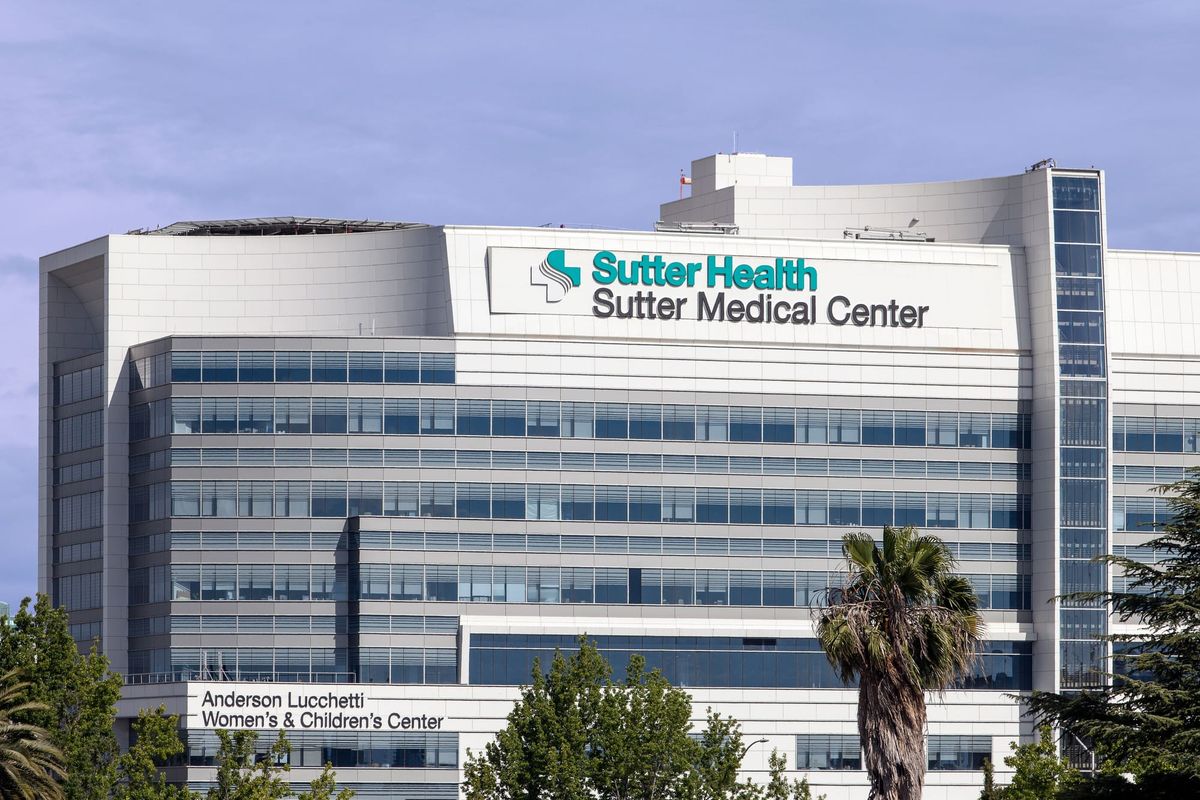
Sutter Health acted swiftly. A formal statement called the post “a disrespectful social media post” and emphasized that patient trust and dignity are non-negotiable. The healthcare system confirmed that the video originated from the Pesetas Urgent Care location and was posted by a former employee who was not employed at the time.
Immediate Investigation and Administrative Action
Within 24 hours of identifying the source, Sutter placed any staff shown or connected to the video on administrative leave while conducting a full internal investigation. A spokesperson made clear that the behavior was an outright violation of Sutter Health’s standards and would not be tolerated.
Employees Terminated for Violating Policies
By September 3, Sutter Health had taken decisive action—terminating all employees involved in the video. In a follow-up statement, the healthcare system reaffirmed its “patients-first mission,” emphasizing that such behavior tarnishes the trust patients place in their care teams.
Broader Fallout and Cultural Concerns
While the video has been deleted, many screenshots and reuploads continue to circulate online, fueling discussion about professional ethics in healthcare—especially in women’s health services. The incident has become a flashpoint in debates about how modern staff culture and social media intersect within clinical environments.